Hurricane Melissa Devastates Western Jamaica
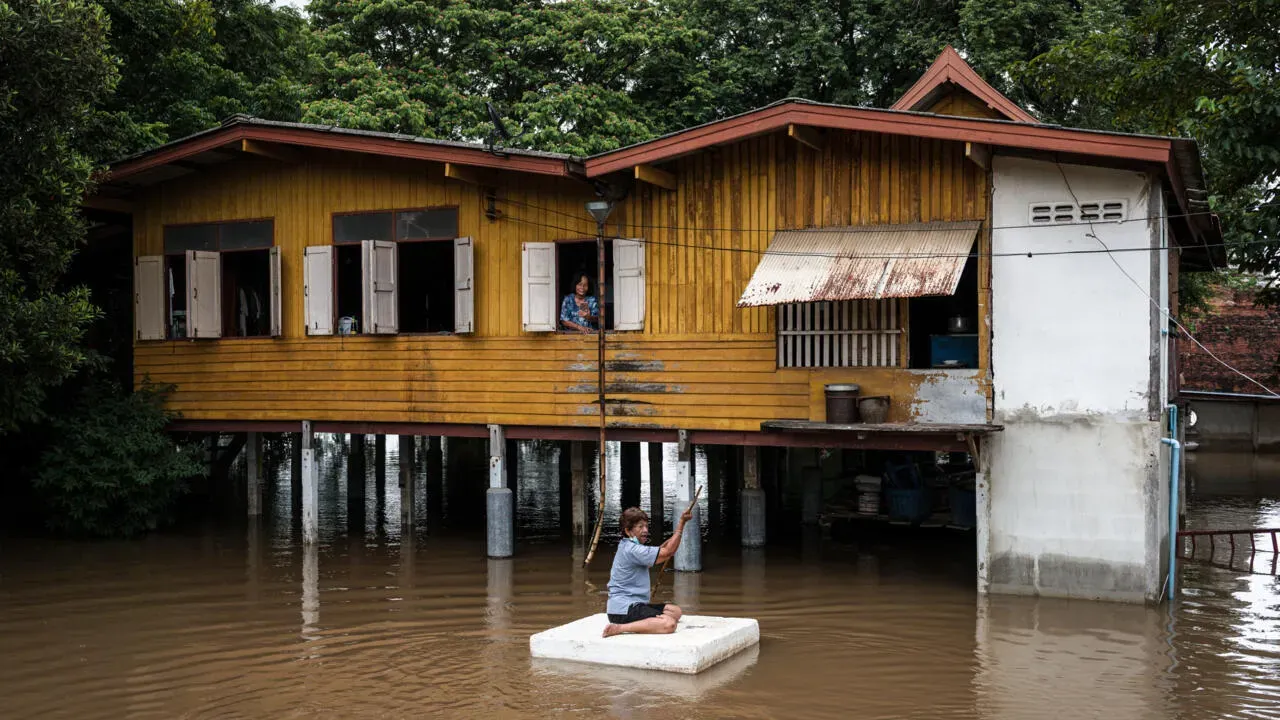
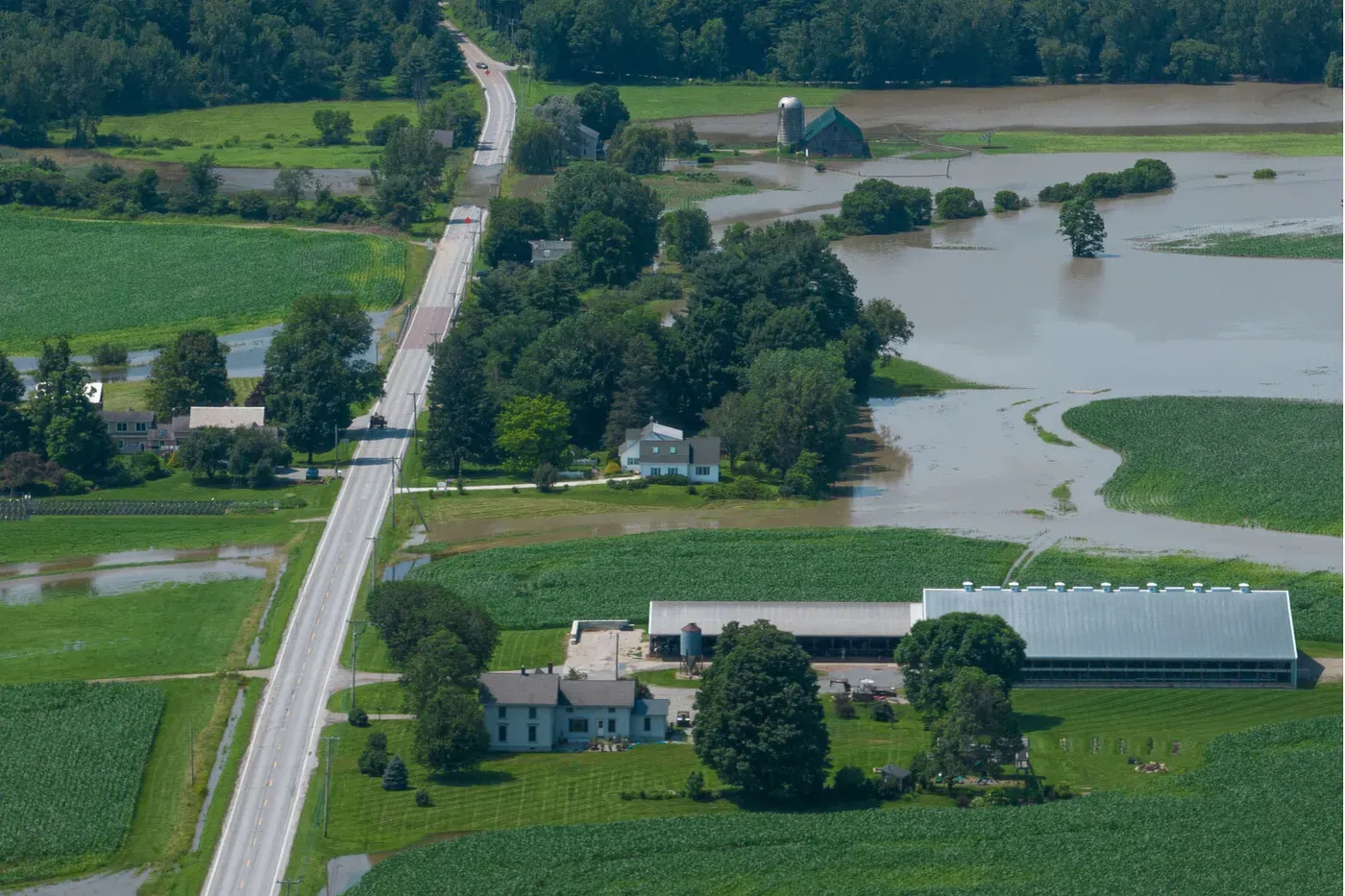
A Category 5 hurricane tore through western Jamaica in 2025, causing widespread flooding and damage to plantain farms, leaving an estimated 120,000 homes without roofs.
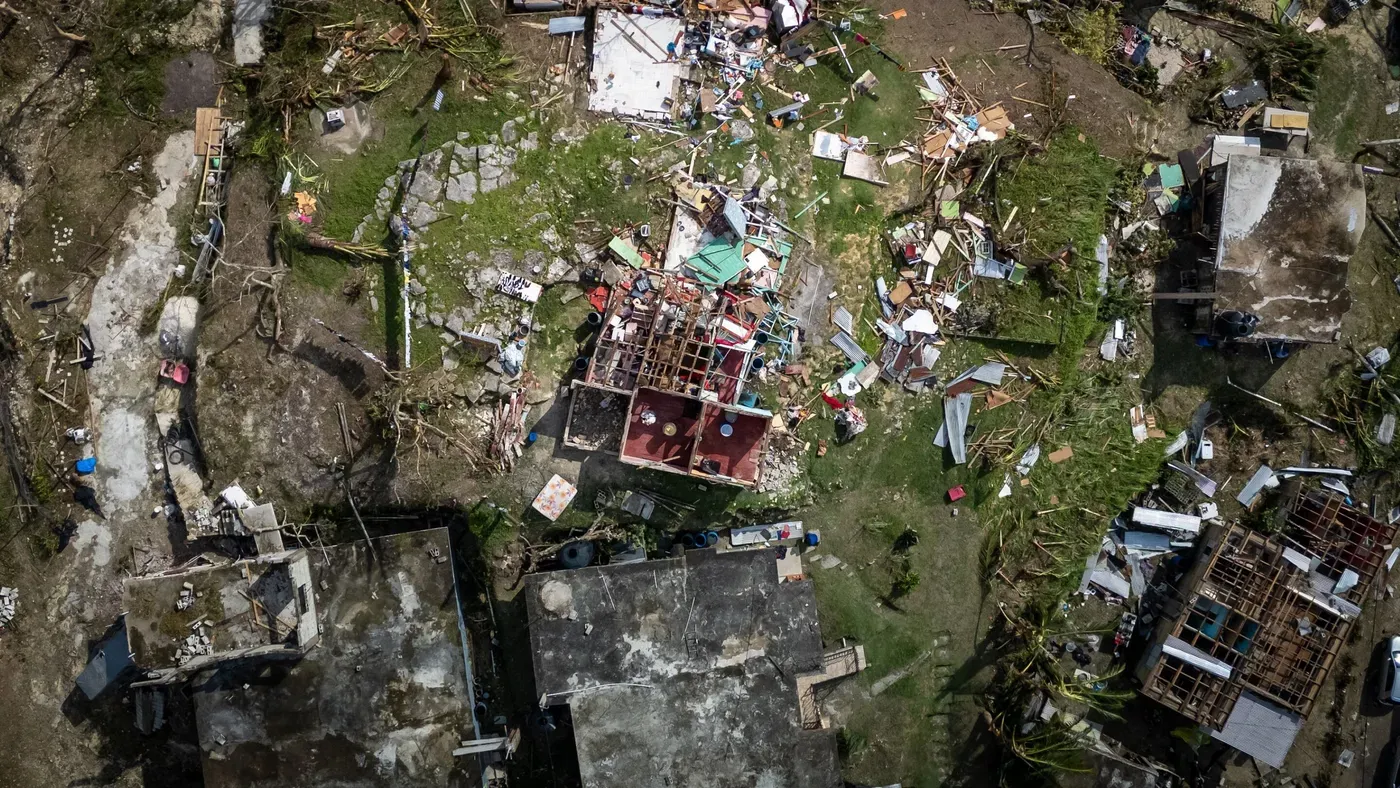
A devastating Category 5 hurricane tore through western Jamaica in 2025, leaving a trail of destruction and economic ruin in its wake. The storm, which was the strongest to hit the island on record, caused widespread flooding and damage to plantain farms, with an estimated 120,000 homes losing their roofs.
The scale of the disaster is staggering, with over 4.8 million metric tons (5.3 million tons) of rubble needing to be hauled away by around 480,000 trucks according to United Nations satellite imagery. This massive cleanup effort was only the beginning of Jamaica's struggle to recover from the storm's impact.
The economic toll of Hurricane Melissa is substantial, with estimates suggesting that damage and losses reached up to $12.2 billion - a staggering 56.7% of Jamaica's 2024 GDP. To put this in perspective, disaster insurance and catastrophe bond payouts covered only around 2% of these costs according to recent analysis by Northeastern University researchers.
Jamaica had been working hard to rebuild its economy after years of struggling with debt, but the storm has left the country facing a daunting new financial challenge. The island nation's reputation for financial responsibility was put to the test as it struggled to access funds and secure loans to repay the massive debt incurred by the disaster.
The concept of "climate-debt doom loop" refers to a vicious cycle where countries struggle to recover from disasters due to their high debt levels.
This cycle can be triggered by various types of disasters, including wildfires, floods, and cyberattacks, which all require significant investment in infrastructure recovery.
According to researchers, the current system is flawed and needs to be rethought. They propose a four-pronged solution that involves tweaking financing, repayment, and insurance policies to allow countries to invest in their own resilience.
In some cases, even successful debt reduction efforts can be undone by natural disasters. For example, Jamaica's progress in paying off its debt was quickly reversed when the island nation was hit by Hurricane Melissa.
Jamaica's efforts to pay off its debt were initially successful, with significant funds allocated for this purpose in 2024-2025. Approximately $3.15 billion was set aside for debt payments, a substantial amount that dwarfed the $510 million devoted to construction and infrastructure upgrades.
However, Jamaica's progress was short-lived, as a devastating hurricane hit the island nation. This natural disaster highlighted the challenges of rebuilding and recovery in the face of increasing climate-related risks. Governments around the world are struggling to balance competing priorities and allocate resources effectively.
According to experts, preparation is a crucial aspect of mitigating the impact of disasters. However, securing funds for preventive measures can be difficult due to public perception. Politicians often receive credit for responding to emergencies but rarely gain votes by investing in disaster preparedness.
The costs of disasters are escalating, making it increasingly challenging for governments to cover recovery expenses through insurance payouts alone. As a result, countries resort to borrowing to cover the remaining costs, further exacerbating their debt burden. This creates a vicious cycle where countries struggle to prepare for future disasters due to cash constraints.
In Jamaica's case, Hurricane Melissa served as a stark reminder of the need for a more holistic approach to disaster resilience. Rather than simply rebuilding, the focus should be on making communities less vulnerable to future disasters by investing in preventive measures and infrastructure upgrades.
The proposed reforms aim to break the cycle of debt and disaster by addressing the root causes of the issue. One key reform is in how the International Monetary Fund (IMF) assesses a country's ability to manage its debt.
Currently, the IMF's assessments do not account for the significant costs associated with disaster preparation and recovery. However, this is set to change with the IMF now including adaptation and resilience in its calculations of a country's borrowing capacity.
This shift towards a more comprehensive approach began in 2022 when the IMF started rolling out new debt assessment models that gave greater weight to disaster preparation. The updated guidance issued in 2025 reinforced this approach, particularly for countries seeking loans focused on building resilience.
The IMF has further plans to enhance its tools for assessing country risk, with new models set to be approved by both the IMF and World Bank in September 2026. These changes are likely to provide low-income countries with more flexibility to invest in disaster protection measures.
In addition to these reforms, the researchers propose tapping into an existing but underutilized trust fund that can provide emergency assistance for food and water after disasters have struck.
The financial burden of climate change is exacerbating its devastating effects on vulnerable countries. Many experts believe that debt cancellation could be a crucial step in helping these nations cope with the impacts of climate-related disasters.
According to Teresa Anderson, global lead on climate justice at ActionAid International, debt cancellation would allow climate-hit countries to redirect their resources towards addressing the consequences of climate change. This means that money currently allocated for loan repayments could instead be used to fund storm defenses and disaster recovery efforts.
The current debt frameworks are increasingly outdated, failing to account for the frequency and intensity of disasters caused by climate change. These outdated systems have left many countries struggling to balance their financial obligations with the need to invest in climate action.
The link between climate change and debt is a toxic one, where the two crises feed into each other. As Anderson noted, 93.5% of the world's most vulnerable countries are also heavily indebted, often forced to spend up to two-thirds of their revenue on loan repayments rather than investing in climate resilience measures.
Jamaica's natural ecosystems play a crucial role in protecting against extreme weather events such as hurricanes and flooding.
These ecosystems include forests, wetlands, coral reefs, and coastal areas that help mitigate the impact of disasters.
Facts based on reporting originally published by Phys.org.
You may republish this story, in full or in part, if you credit News Central Site and link to it (licence CC BY 4.0). Photos are not included.