Houseplants Continue to Function Throughout Winter Months
Many people assume their indoor plants hibernate during winter, but they continue to carry out essential functions like photosynthesis.
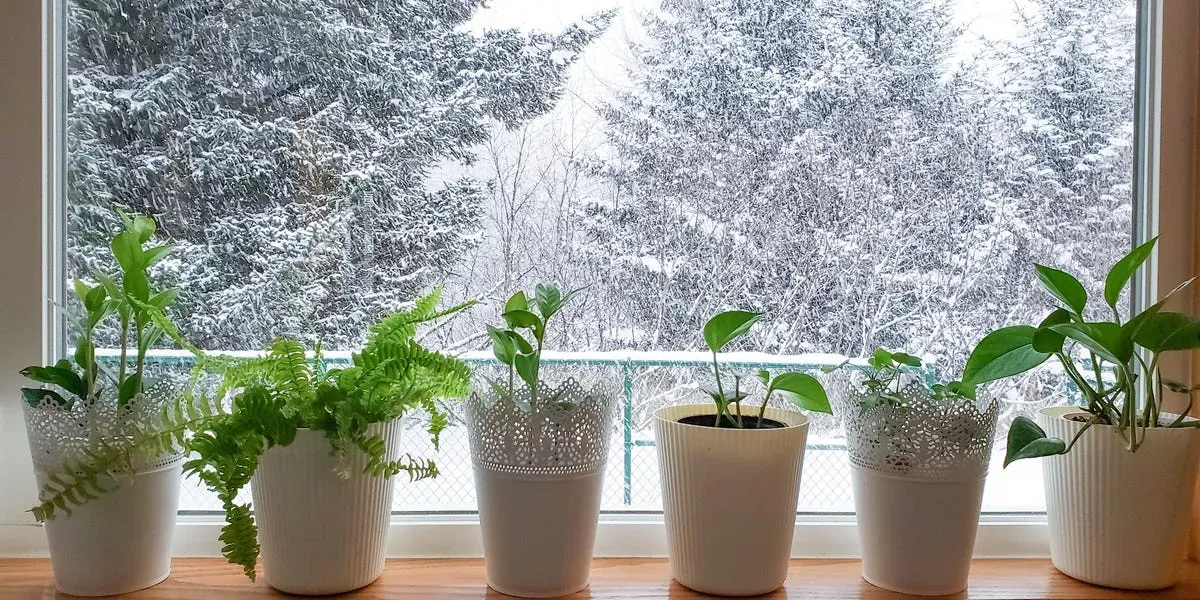
As the outdoor gardening season comes to a close, many people assume their indoor plants are hibernating until spring arrives. However, this is not entirely accurate - while new growth may slow down or even stop due to reduced light, it's not because the plant has shut down.
In reality, houseplants continue to carry out essential functions like photosynthesis throughout the winter months, despite the shorter days and colder temperatures. This process allows them to sustain themselves and stay healthy until more favorable conditions return.
Plant experts warn against adopting a one-size-fits-all approach to caring for indoor plants during this time. Instead, they emphasize that flexibility is key - as each plant has its unique needs and requirements.
As winter approaches, houseplant owners must adapt their care routines to meet the changing needs of their plants. A thorough examination of each plant is essential before bringing them indoors after a summer spent outside. This includes checking for pests or signs of infestation and quarantining any affected plants away from others for several weeks.
It's also crucial to assess the color of your plant's leaves, as some varieties may be more susceptible to discoloration during the winter months. For example, lush green leaves should not turn pale and yellowish, according to experts. Proper lighting is another critical factor to consider, as the angle of the sun changes significantly between summer and winter.
Even if a window was bright in summer, it may receive less direct sunlight during the winter due to the sun's more southerly position in the sky. This can affect the amount of light reaching your plants, so be prepared to adjust their placement or use grow lights as needed. Regular inspections of roots are also important, especially if a plant is showing signs of stress such as drooping.
When repotting houseplants in preparation for winter, it's essential to assess their root system. To do this, gently remove the plant from its pot and inspect the roots. Ideally, you should see a balance between roots and soil, with less than 75% of the rootball consisting of roots and more than 25% made up of potting mix.
A well-balanced root system is crucial for healthy growth and development. If the roots are too dense or packed tightly into the pot, it can restrict water and nutrient uptake, leading to stress in the plant. Regular inspections of the roots will help identify any potential issues before they become major problems.
Houseplants also benefit from a dust-free environment, particularly those with large leaves such as Monstera or bird of paradise. Dust can reduce light absorption efficiency, which can impact photosynthesis and overall health. One way to keep leaves clean is to give them a quick shower or use a gentle cleaning solution specifically designed for plants.
To prevent soil from becoming too waterlogged during the transition period, it's recommended to give your houseplants a gentle cleaning session before winter sets in. This can be done by wrapping the pot in plastic and placing it in the sink or bathtub for a light spray-off.
Houseplant experts advise against fertilizing at the same rate as during spring and summer, as lower light levels reduce growth and slow down nutrient uptake. In fact, with slower growth rates, plants may not require as many nutrients, making excessive fertilization a waste of resources. By adjusting fertilizer application according to your plant's specific needs, you can avoid over-fertilizing and promote healthy growth.
When it comes to watering, the rules change slightly during winter. While some plants may use less water due to reduced growth rates, dry indoor heat in colder climates can cause them to dry out faster. As a result, it's essential to strike a balance between under- and over-watering by monitoring your plant's specific needs and adjusting your watering schedule accordingly.
To ensure your houseplants thrive during the winter months, it's crucial to abandon traditional watering schedules and instead water only when necessary. This approach allows you to cater to each plant's unique needs, taking into account factors such as soil moisture and light exposure.
In addition to adjusting your watering habits, consider the lighting conditions in your home this time of year. As daylight hours shorten, some plants may require more artificial light to photosynthesize effectively. Conversely, others might be sensitive to excessive brightness, so it's essential to strike a balance between providing sufficient illumination and preventing potential damage.
Houseplant enthusiasts often reach for a spritzer to increase humidity levels around their plants, but this approach has its limitations. According to experts, misting only provides a brief boost in humidity, which is quickly dissipated by the environment. This means that while low humidity can indeed cause problems for houseplants, it's not the sole culprit behind issues like brown leaf tips and edges.
As winter approaches, it's essential to reassess the needs of your houseplants and make necessary adjustments to ensure their continued health and well-being. This includes paying attention to environmental changes, such as reduced humidity levels, which can impact plant care.
To provide optimal conditions for your plants during the colder months, consider factors like temperature fluctuations, increased dry air, and shorter daylight hours. By being mindful of these seasonal changes, you can tailor your care routine to meet the unique needs of each plant species, ultimately promoting their vitality and resilience throughout the winter season.
Facts based on reporting originally published by Good Housekeeping.
You may republish this story, in full or in part, if you credit News Central Site and link to it (licence CC BY 4.0). Photos are not included.