Halloween Candy Sales Plummet 6.7% Amid High Living Costs and Chocolate Prices
American consumers are struggling with high living costs, leading to a decline in Halloween candy sales, with mid-September numbers seeing an 11.7% drop compared to last year.
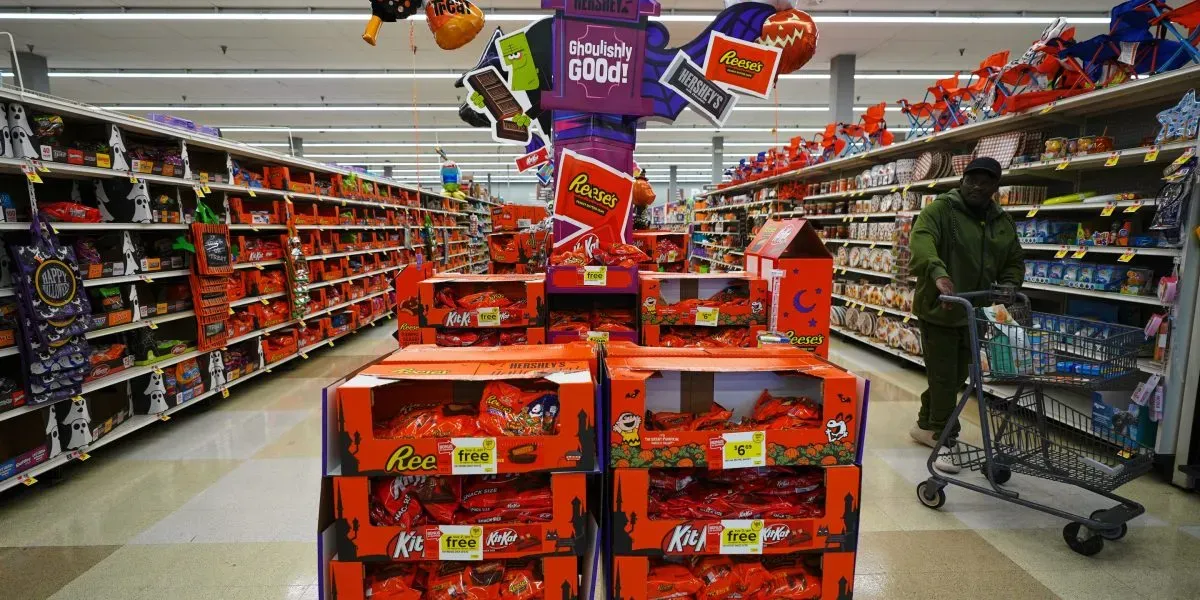
Halloween candy sales are off to a disappointing start this year as American consumers struggle with high living costs and skyrocketing chocolate prices.
According to market research firm NielsenIQ, Halloween candy sales plummeted 6.7% in the month ending October 17 compared to the same period last year. This decline is even more pronounced when looking at mid-September numbers, which saw a staggering 11.7% drop in candy sales. The previous two years had seen preseason gains in Halloween candy sales, but this trend has been reversed.
High gas prices are exacerbating Americans' concerns about affordability and dampening demand for Halloween treats. As of last Friday, the average price of a gallon of regular gasoline in the US was $4.29, representing a nearly 40% increase from the same time last year.
Consumers are making tough decisions about their spending priorities, with some opting out of buying Halloween candy altogether due to financial constraints. According to Chris Costagli, vice president and food thought leader at NielsenIQ, this is not just about noticing higher prices, but rather having limited financial means due to increased costs in other areas like fuel, housing, clothing, and food.
Small bags of candy are the only sizes seeing sales growth through mid-October, while large and extra-large bags are experiencing significant declines. This shift suggests that consumers are scaling back their Halloween spending as a result of economic pressures.
The rising cost of living has taken a toll on Halloween festivities in the United States. With candy prices skyrocketing faster than inflation rates over the past few years, consumers are being forced to adjust their spending habits. According to government data, candy and gum prices have increased by 44% over a five-year period.
A recent advertisement from discount grocer Aldi highlights this trend, offering a 135-piece variety pack of Mars chocolate bars for $19.87. Interestingly, this is almost the same price consumers paid for a 250-piece variety pack just five years ago. This anomaly suggests that manufacturers may be absorbing some of the increased costs in order to maintain market share.
Global cocoa prices have been a major contributor to the rising cost of candy. A record high of $10,710 per metric ton was reached in January 2025 due to poor weather conditions in West Africa and speculative trading in the cocoa futures market. The region supplies 70% of the world's chocolate, making it a crucial factor in the global supply chain.
However, cocoa prices had begun to fall steadily after reaching their peak in January. By March, they had dropped to $3,241 per metric ton. But a new disruption has hit the market: the Iran war has caused a shortage of fertilizer supplies in Africa.
As consumers continue to cope with high grocery prices, their shopping habits have undergone significant changes. According to Sally Lyons Wyatt, global executive vice president and food industry adviser for market research company Circana, many are now making smaller and more frequent trips to the supermarket, buying products right before they intend to use them.
This trend may be particularly relevant when it comes to Halloween candy purchases. With consumers being increasingly intentional about their consumption habits, both during holidays and in general, Wyatt wonders if shoppers might be delaying their candy buys until closer to the holiday itself. This could result in softer overall sales for the industry.
Despite these concerns, the National Confectioners Association remains optimistic about Halloween sales. The trade group, which represents major candy makers like Mars and Ferrara Candy Co., points out that consumer enthusiasm for the holiday is still strong as the peak period begins.
Facts based on reporting originally published by Fortune.
You may republish this story, in full or in part, if you credit News Central Site and link to it (licence CC BY 4.0). Photos are not included.