Grocery bills soar 32% higher than in 2020 this Thanksgiving season
The sharp increase in grocery prices is causing financial strain and contributing to growing food insecurity in the US.
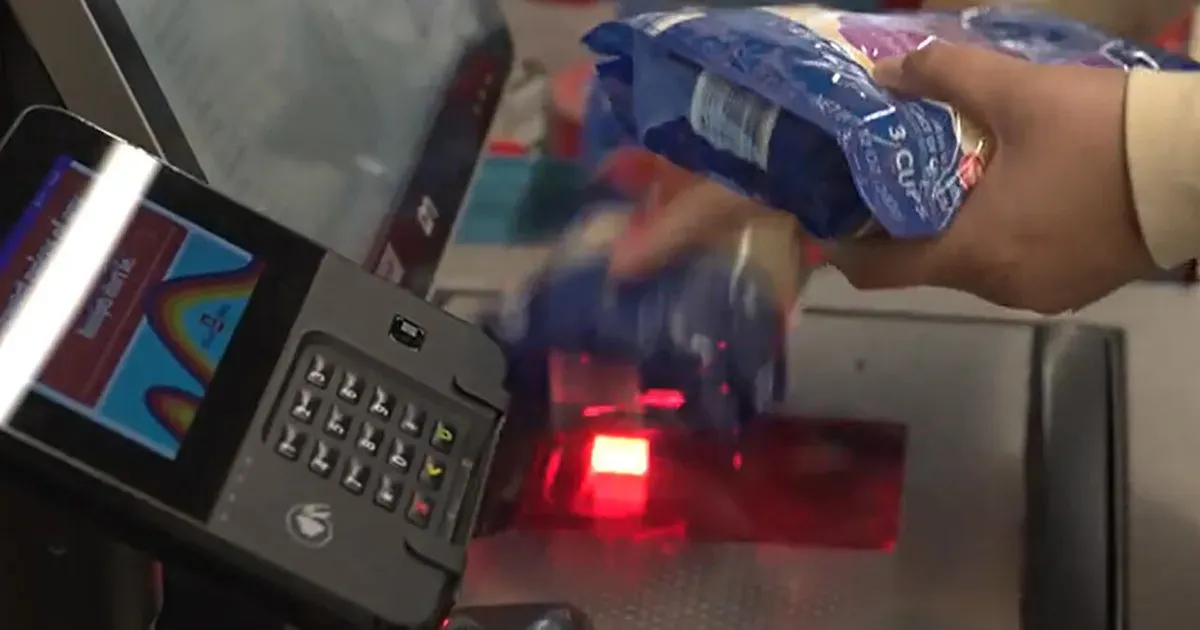
Grocery bills are reaching new heights this Thanksgiving season, with prices soaring 32% higher than in 2020, according to official statistics.
The sharp increase is causing financial strain for many households, and some people are being forced to take on credit card debt just to put food on the table. This alarming trend highlights the growing problem of food insecurity in the US.
A key factor contributing to this crisis is the shift in consumer behavior. More and more shoppers are switching to discount grocery chains like Aldi, Lidl, and Food 4 Less, which offer lower prices by limiting product selection.
These discount stores have been gaining significant market share, putting pressure on traditional supermarkets such as Kroger.
Aldi's private label brands have become the norm, accounting for 92% of items sold in their stores. These are not your typical generic brands from decades past but rather carefully crafted products tailored to specific markets. By partnering with manufacturers, Aldi is able to offer affordable alternatives to name-brand products.
Private labels have become a trend, according to Rinaldo, as consumers increasingly opt for these cost-effective options when shopping for groceries. The shift towards private label brands isn't limited to food purchases alone but also reflects broader changes in consumer behavior and payment methods.
In fact, about 35% of shoppers use credit cards to buy groceries, a practice that's contributing to growing debt among families. According to Cassandra Martinchek, a senior researcher associate at the Urban Institute, one in four customers is struggling to pay off their food-related debts.
The trend of using digital lay-away services for food purchases is on the rise, and it's not just credit cards that are causing concern. Many consumers are turning to Buy Now Pay Later (BNPL) apps, such as Klarna, Splitit, Affirm, Sezzle, and Zip, which often charge minimal or no interest.
These BNPL apps allow users to buy groceries today and pay for them later, sometimes with flexible payment plans that can be appealing to those struggling financially. However, the consequences of missing a payment can be severe, as Jordan Williams discovered when she fell behind on her grocery payments. Her account was locked due to non-payment, causing further financial stress.
Williams' experience highlights the risks associated with using BNPL apps for essential purchases like groceries. She described feeling trapped in a cycle where she was constantly paying off one debt while accumulating new ones, making it difficult to manage her finances effectively.
The financial strain of buying food has become a pressing concern for many individuals, particularly those who are struggling to make ends meet. Williams' situation highlights the difficulties faced by those who have to choose between paying off debts and purchasing essential items like groceries. She finds herself caught in a cycle where she is constantly juggling debt payments with new expenses.
Williams' experience echoes that of millions of others this Thanksgiving, who feel they shouldn't be struggling to afford basic necessities despite their hard work. Her qualifications and income level belie the financial difficulties she faces, which are not solely due to poor money management skills. She attributes her situation to rising grocery prices, which have not decreased like other expenses such as gas.
Williams' frustration is compounded by the fact that she has to carefully plan her finances to ensure she can afford groceries after paying off her debts each month. Her payday on the 28th serves as a deadline for making ends meet, and any overspending or unexpected expenses can lead to financial strain.
As Thanksgiving approaches, many families are struggling to make ends meet, with some turning to credit cards to buy groceries.
The financial strain is particularly evident in households where a single income earner is responsible for feeding multiple people, including extended family and friends of the family. This can lead to a situation where even small overspending or unexpected expenses can cause significant financial difficulties.
Thankfully, there's some good news on the horizon: experts predict that grocery prices will slow their increase by next Thanksgiving, providing some much-needed relief for families who are struggling to make ends meet.
Facts based on reporting originally published by CBS MoneyWatch.
You may republish this story, in full or in part, if you credit News Central Site and link to it (licence CC BY 4.0). Photos are not included.