GPU Scam Surge Hits Market Amid High Demand for Graphics Processing Units
A surge in GPU scams has hit the market, taking advantage of the high demand for graphics processing units.
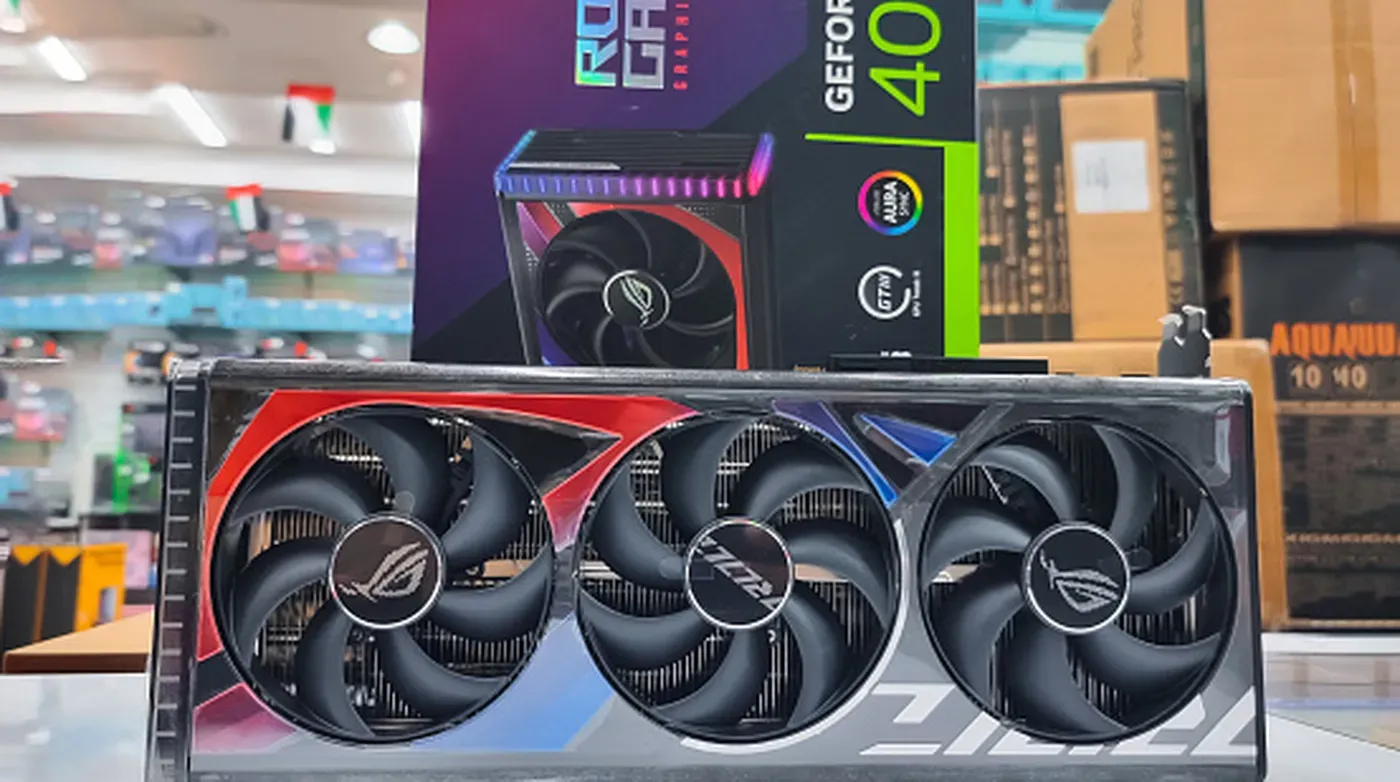
A surge in GPU scams has hit the market, taking advantage of the high demand for graphics processing units. The AI industry's insatiable need for GPUs has driven up prices, making affordable options a hot commodity and prime target for scammers.
As buyers scramble to find reliable sources, they're often met with fake listings online or in-person. Scammers are selling everything from empty GPU shells to bags of pasta and rice, preying on those desperate to get their hands on a real product.
The scam has also affected physical repair shops, which have seen some traded-in GPUs stripped of their memory dies before being resold to unsuspecting consumers. This has led to a significant increase in the number of people falling victim to these scams.
With prices for RAM skyrocketing and old GPUs becoming more valuable than ever, it's no wonder scammers are taking advantage of the situation. The key to avoiding these scams lies in being cautious and vigilant when searching for affordable GPUs.
When browsing online marketplaces for affordable GPUs, it's essential to maintain a sense of caution and skepticism. This is especially true in 2026, when finding a good deal on a graphics card can be challenging.
Any offer that seems too good to be true should raise red flags. Sellers on Facebook Marketplace or eBay may use stock photos to make their products appear more appealing, but this can be a tactic used by scammers.
To verify the authenticity of a seller's photo, try searching for it on Google Images. If the image appears in multiple listings or is easily recognizable as a generic stock photo, it could indicate that the seller is using a fake product.
Additionally, sellers may attempt to avoid answering questions about their products or rush you into making a purchase. This behavior can be a sign of a scam.
Inspecting the GPU for damage after purchase is crucial before putting it to use. To do this, run a stress test using an application like HWiNFO, which allows you to monitor the system's performance in real-time.
Opening HWiNFO in full mode and clicking on Sensors gives access to various readings, including peak temperatures and clock speeds. Selecting Stress Test initiates a series of tests that can help identify any potential issues with the GPU.
During this test, it is essential to keep an eye on the readings displayed in the window, which provide valuable information about the system's performance. If everything appears normal after around 15 minutes, the GPU should be functioning as expected.
However, even if a stress test passes without incident, there are other factors to consider when buying a GPU online. Since it is impossible to physically inspect the product before purchasing, relying on thorough questioning of the seller and reviewing their reputation can help mitigate potential risks.
When purchasing a GPU from an online seller, even through a reputable platform like eBay, vigilance is crucial. While buyer protection can offer some assurance, scammers have found ways to exploit these safeguards. They may obtain tracking IDs for your area and provide them to the platform, making it difficult to prove that you didn't receive the product.
This tactic allows scammers to shift responsibility from themselves to the courier service or even the buyer, creating a lengthy process to resolve disputes. In some cases, a refund might be possible if proof of a scam is provided to the courier service, but this can still be an arduous and time-consuming process. To avoid these issues altogether, it's essential to remain cautious.
Ultimately, exercising caution when buying a GPU from an online seller is crucial, especially in situations where physical inspection is not feasible. By being aware of potential scams and taking necessary precautions, buyers can minimize their risk and ensure a smoother purchasing experience.
Facts based on reporting originally published by Engadget.
You may republish this story, in full or in part, if you credit News Central Site and link to it (licence CC BY 4.0). Photos are not included.