Global Wellness Industry Sees Unprecedented Growth Amid Consumer Burnout
A growing number of consumers are seeking holistic solutions to modern-day problems, prompting a shift towards wellness-driven design and Indigenous wellness practices.
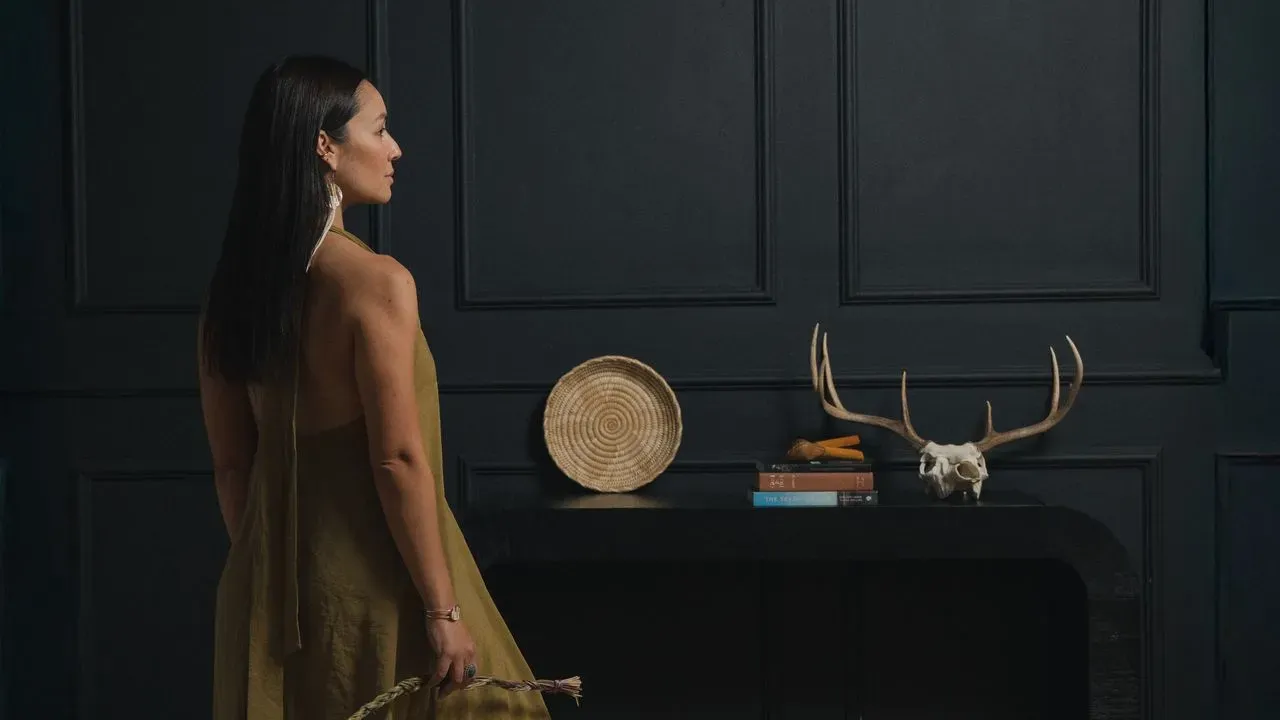
The global wellness industry has reached unprecedented levels of growth, showing no signs of slowing down despite widespread burnout among consumers.
Modern life is characterized by overstimulation, inadequate rest, and a constant sense of exhaustion, prompting many to seek quick fixes for their ailments in the form of gadgets, supplements, or trendy fitness routines.
However, what if the answers to our modern-day problems lie not in these superficial solutions but in the time-tested wisdom of indigenous cultures? For centuries, Native American communities have prioritized harmony with nature and reciprocal relationships within their communities.
As a wellness advocate who draws on her own Lakota and Anishinaabe heritage, Chelsey Luger believes that by embracing these holistic principles we can all find greater balance in our lives.
A movement is underway in the home industry focused on creating living spaces that support overall well-being. This shift towards wellness-driven design has been a key aspect of Well For Culture, a grassroots initiative co-founded by Chelsey Luger and her husband Thosh Collins back in 2013.
Through their work with tribal nations across the country, Luger and Collins have learned valuable lessons about Indigenous wellness practices that can be applied to anyone's life. They've been traveling extensively to teach and learn from these communities, gathering insights that would eventually become the foundation for a new book called Native Home.
The principles outlined in Native Home are centered on the idea that every home should reflect its occupants' unique story and identity. This approach is rooted in Indigenous traditions where homes were often adorned with artwork that told stories of family experiences and cultural heritage.
Involvement in home design is key to embracing Indigenous wellness principles. Luger's approach to designing her family's new home on Arizona's Salt River Reservation reflects this philosophy. The house is still under construction, but Luger is hands-on every step of the way.
It's not necessary to be building a new home to benefit from these ideas. Simple changes can make a big difference in daily life. For instance, decluttering one room can reduce sensory overload and promote a sense of calm.
Practicing Indigenous minimalism involves paring down possessions and focusing on what truly matters. Native geomancy, or auspicious arrangement, is another concept explored in the book. This philosophy is similar to feng shui, but its roots are deeply rooted in Indigenous traditions.
By incorporating these principles into daily life, it's possible to create a more balanced and harmonious living space. We might say we don't want to overconsume, Luger notes, but our actions often contradict this intention.
Living spaces in many parts of the world are becoming increasingly cramped, and this issue is compounded by climate change and economic pressures.
One possible solution is embracing smaller living arrangements that maintain simplicity and foster connections between people and their surroundings.
In Indigenous cultures, a close relationship with nature is often encouraged through design choices that bring the outdoors into the home.
Indigenous homes have traditionally been designed with fluidity in mind, featuring communal rooms that promote a sense of unity among occupants.
This emphasis on interconnection is deeply ingrained in Indigenous values, which prioritize harmony between individuals and their environment.
Many traditional Native structures feature rounded shapes, symbolizing the importance of women, Mother Earth, and egalitarian principles.
Facts based on reporting originally published by Vogue.
You may republish this story, in full or in part, if you credit News Central Site and link to it (licence CC BY 4.0). Photos are not included.