Emily in Paris Premieres on Netflix Amid Pandemic Lockdowns
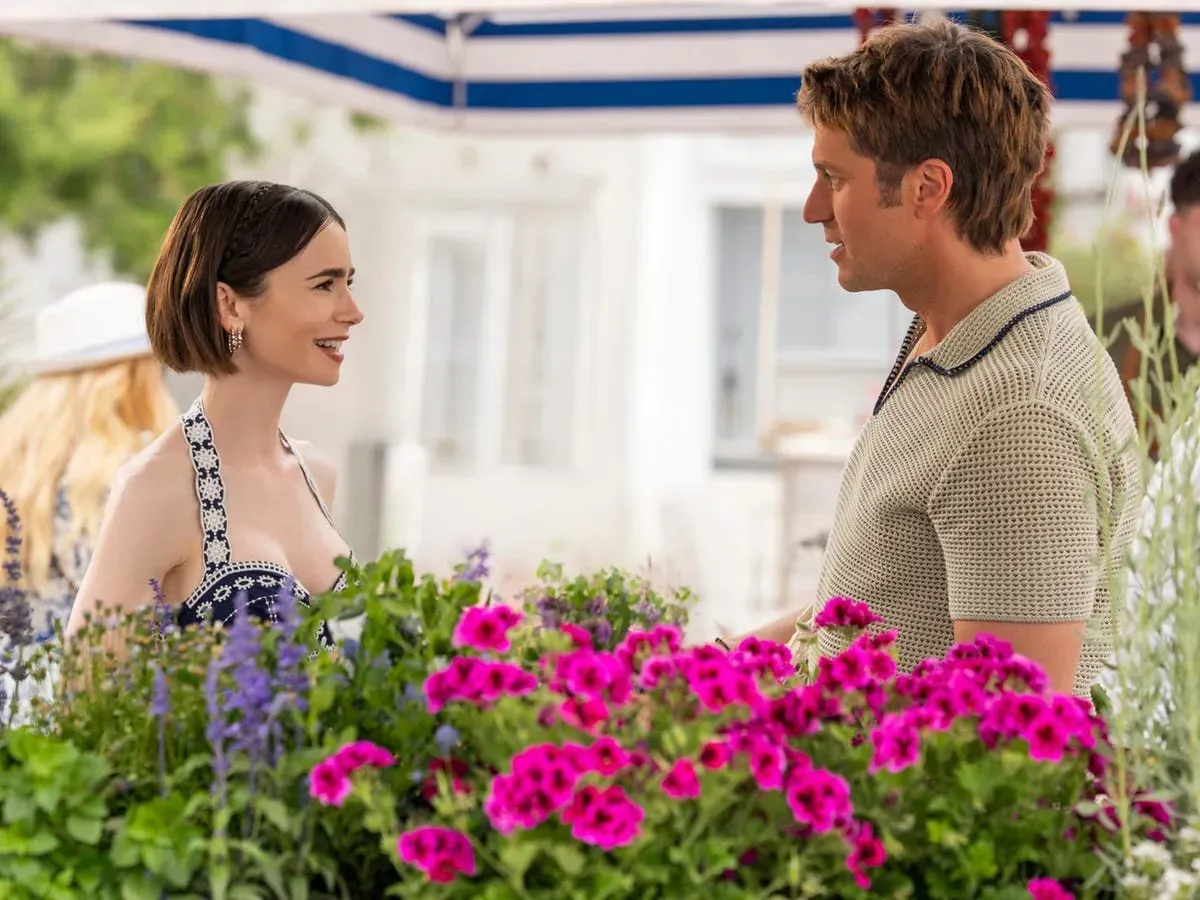
The show's creator Darren Star had previously worked on Sex and the City and brought a similar escapist fantasy to Emily in Paris.
Audiences were looking for an escape in October 2020, and Emily in Paris delivered just that with its premiere on Netflix. The show's creator, Darren Star, had a knack for crafting escapist fantasies, as seen in his previous work on Sex and the City. Emily in Paris was no exception, offering viewers a vicarious experience through its protagonist's adventures in Paris.
The show's timing was fortuitous, coinciding with the pandemic's aftermath when people were desperate for a distraction. Emily's storyline, which revolved around love and success in the City of Lights, provided an ideal respite from reality. However, not everyone was enamored with the show, as some critics panned its depiction of French culture.
Some viewers took issue with Emily's fashion sense, claiming it relied on American stereotypes of French style or looked cartoonish due to clashing patterns and bright colors. Critics argued that the wardrobe lacked substance, failing to deliver the same level of sophistication seen in Star's previous work. Despite these criticisms, costume designer Marylin Fitoussi stood by her designs.
Fitoussi had a clear vision for Emily's character, which she brought to life through six seasons of bold and eclectic fashion choices. By embracing her protagonist's individuality, Fitoussi aimed to create a wardrobe that was both authentic and visually striking.
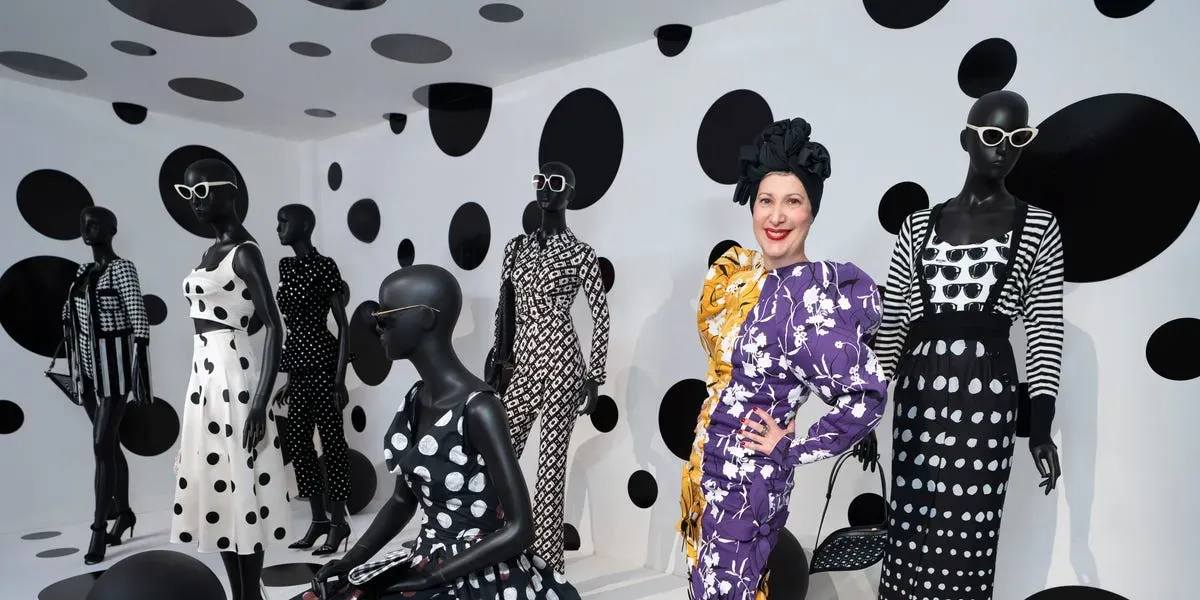
The exhibition "Emily in Paris: Fashion Without Rules" at SCAD FASH Museum of Fashion + Film showcases six seasons' worth of outfits from the popular TV series. The display runs until March 14, 2027, providing a unique opportunity to witness the evolution of Emily's style over time.
Marylin Fitoussi, the costume designer behind the show, emphasizes that clothing is meant to break rules and provide a space for experimentation. This approach aligns with her personal philosophy on fashion, which prioritizes self-expression and individuality.
The exhibition takes a character study approach, tracing Emily's transformation from an expat to a confident Parisian resident through her wardrobe choices. By grouping the outfits together, viewers can witness the development of Emily's style firsthand, observing how she navigates different social situations and environments.
The display is notable for its departure from traditional exhibitions that often feature period pieces or couture designs. Instead, it offers a fresh perspective on fashion as a means of self-expression, allowing visitors to explore the relationship between clothing and identity.
The show's costume designer reveals a unique approach to fashion, one that prioritizes self-expression over trends and conventions.
Fashion magazines initially criticized the show for its unconventional style, but the designer was not deterred by these opinions.
Instead of relying on high-end designers like Comme des Garçons or Yamamoto, the show opted for a more authentic representation of Emily's personality through her clothing choices.
This decision allowed the audience to connect with Emily on a deeper level and experience the cultural shock that she faces in Paris.
The audience's strong connection with Emily on the show was not a surprise to its costume designer, who credits the relatable outfits for sparking such enthusiasm.
"It's quite simple," they say of the phenomenon, which saw fans recreating and reusing iconic looks from the series in various forms.
This widespread adoption of the show's fashion aesthetic speaks volumes about what resonates with viewers, namely, authenticity and a willingness to take risks, qualities that Emily embodies throughout her Parisian adventures.
The designer recalls discussing this very issue with Lily, who expressed a desire to please everyone, but ultimately chose to stay true to the character's DNA.
The industry's reliance on archives suggests a growing homogenization of style.
Fashion and celebrity stylists are increasingly drawing from existing collections rather than pushing boundaries.
This trend is evident in the proliferation of similar looks across different shows and platforms.
Archival sourcing can make designs seem timeless but ultimately lacks originality.
In contrast, costume design allows for more creative freedom to experiment with bold ideas.
The pressure to sell a show through sensational styling can stifle innovation.
Costume designers like myself are not beholden to commercial pressures, allowing us to focus on crafting unique visions.
By prioritizing artistic expression over sales figures, we create immersive experiences that captivate audiences.
The key to success lies in staying true to one's artistic vision, no matter how unconventional it may seem.
To make a mark in the industry, talent alone is not enough, timing and circumstance also play crucial roles. Emily in Paris's costume designer has spoken about the pivotal moment when they were discovered by Darren Star, an experience that forever changed their career trajectory.
Ultimately, creating something truly remarkable requires taking risks and pushing boundaries, often at great personal cost. It involves exposing oneself to vulnerability, but also opens up new possibilities for self-expression and innovation, a delicate balance between fearlessness and creative freedom.
Facts based on reporting originally published by Harper's Bazaar.
You may republish this story, in full or in part, if you credit News Central Site and link to it (licence CC BY 4.0). Photos are not included.