French authorities impose curfews following weekend of rioting
The move has been met with criticism from left-wing press outlets who argue it is an overreaction.
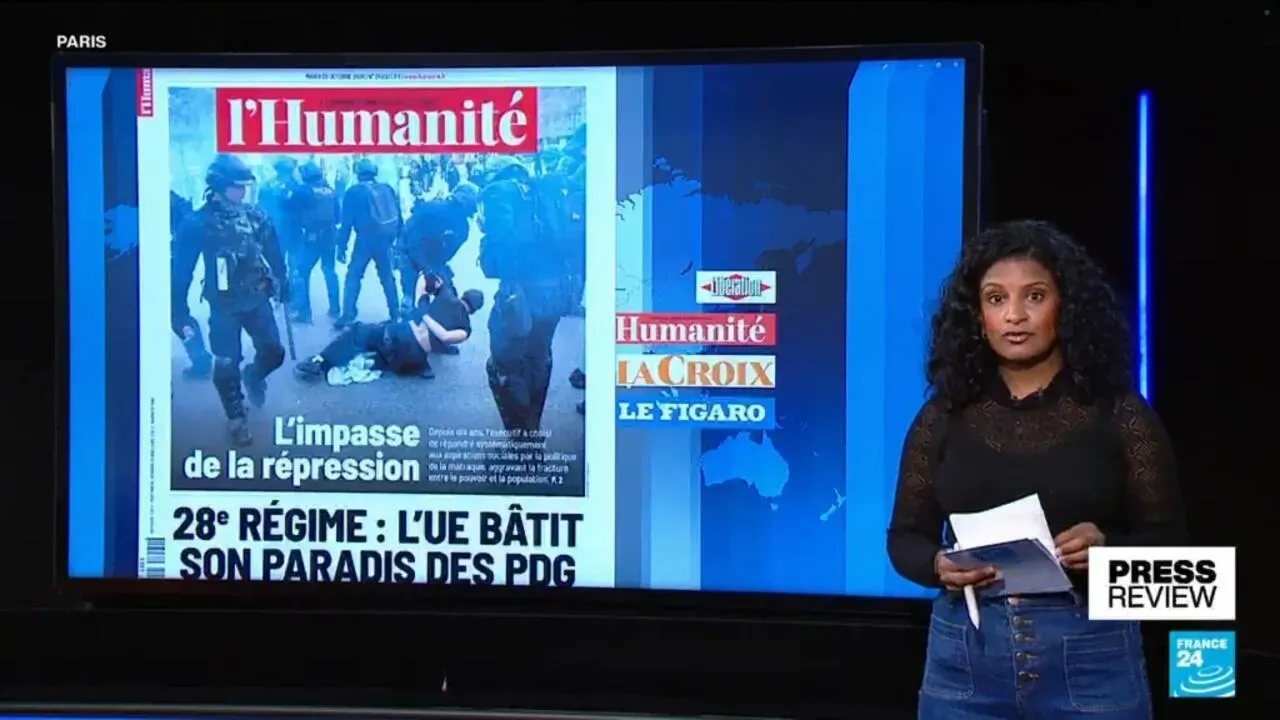
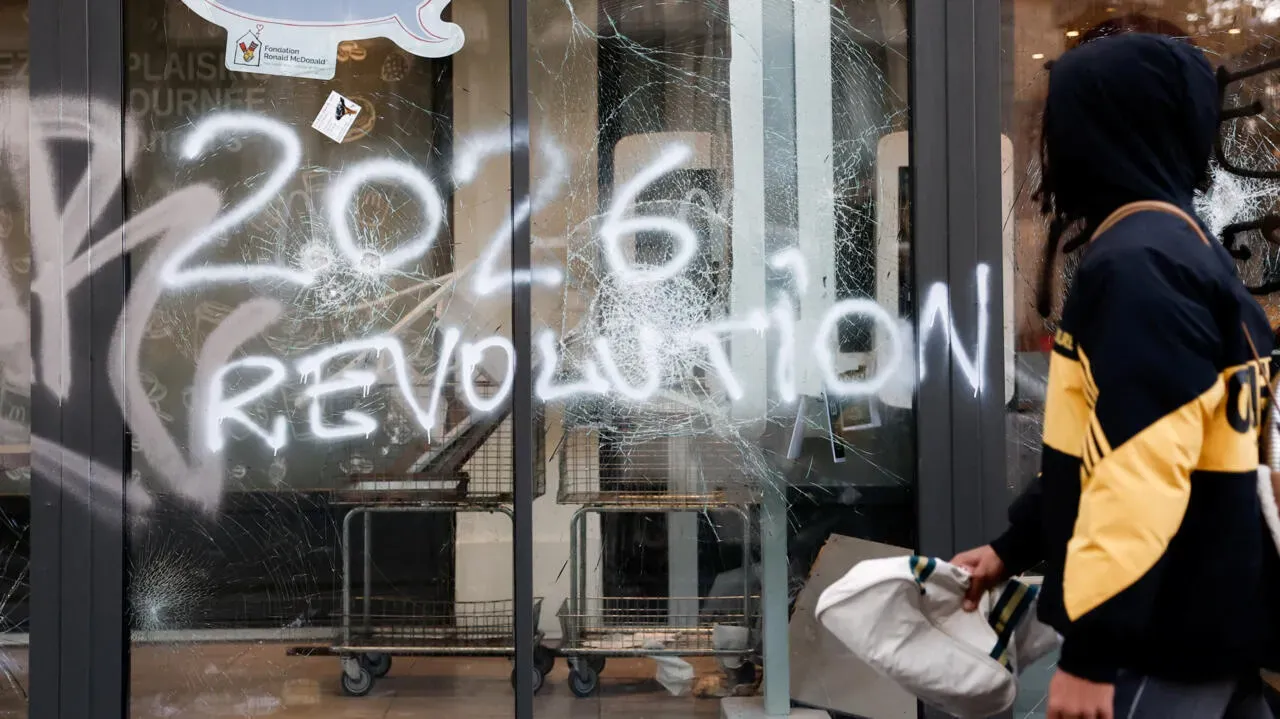
French authorities have imposed curfews in certain areas of the country following a weekend of rioting that marred protests against rising living costs. The move has been met with criticism from left-wing press outlets, who argue it is an overreaction.
The front page of Libération, a prominent left-wing daily, features Interior Minister Laurent Nunez under the headline "Nunez dans la nasse, referencing the restrictive perimeter imposed on protesters. According to the paper's editorial, the weekend's events have marked the end of 10 years of President Emmanuel Macron's governance.
The editorial suggests that maintaining law and order has become a complex task for the president. Libération laments that even basic policing duties are now a challenge for the government. This sentiment is echoed by other left-wing outlets, which argue that the government's approach to protests has created an atmosphere of repression.
L'Humanité, a Communist daily, accuses the government of creating an impasse of repression. The paper claims that over the past decade, the administration has opted for a policy of using force to quell protests, exacerbating the divide between the French people and those in power. This approach has been criticized by many as ineffective and counterproductive.
The imposition of curfews has sparked debate about the government's handling of civil unrest. While some see it as a necessary measure to restore order, others argue that it is an excessive response to the situation. The left-wing press is firmly in the latter camp, with many outlets calling for more nuanced approaches to addressing social grievances.
The French government's decision to impose curfews has also been criticized by some international observers. However, it remains to be seen how effective this measure will be in addressing the underlying causes of the unrest and restoring calm to affected areas.
The imposition of curfews across France has sparked debate about the government's approach to addressing the ongoing protests.
Critics argue that maintaining order is being put to the test, particularly in light of the country's policing doctrine, which emphasizes zero deaths and keeping police at a distance from protesters. This approach has been in place since May 1968 and is now being questioned as violent clashes continue between demonstrators and law enforcement.
The conservative press has accused the government of not doing enough to quell the unrest, with some questioning why a state of emergency has not been declared or protests outlawed. A proposed bill that would hold rioters financially responsible for damage to public property also remains stalled.
In contrast, international observers have offered varying perspectives on the situation. The British daily Metro views the imposition of curfews as a necessary measure, with President Macron stating that France will not tolerate thieves" or "extreme-left thugs.
However, some publications have taken a more nuanced view, sympathizing with the students who are driving the protests and highlighting the unusual solidarity between those from impoverished suburbs and affluent neighborhoods. This unity has been seen as a key factor in the high school protests, which have brought attention to legitimate demands for education reform.
The need for investment in education is now being acknowledged by some analysts, who point out that France cannot afford to prioritize early retirement and short working hours over funding for schools. The country's future generations are at stake, and it remains to be seen whether the government will take concrete steps to address these underlying issues.
Italy has been experiencing similar scenes of violence to those seen in France over the weekend, as cost-of-living protests turned into clashes between demonstrators and police.
The protests took place in several cities across Italy, including Turin, Bologna, and Milan, where shops were looted and property was vandalized.
In response to the unrest, the Italian government has announced plans to dispatch 500 army troops to defend Milan, with security measures set to be approved at a cabinet meeting on Tuesday.
The move has been met with criticism from some quarters, with the Communist daily Il Manifesto labeling it as an overreaction that will only lead to further tensions. The paper argues that the government's new measures, which include authorizing indiscriminate detention, are excessive and disproportionate to the situation.
Meanwhile, other Italian newspapers have drawn comparisons between the current unrest in Italy and historical events such as the Bolshevik uprising of 1917, with Il Riformista evoking Russia's Russian October and Il Tempo warning of an intifada" on the streets of Italy.
France has been grappling with widespread unrest following a series of violent incidents over the weekend. The government's decision to impose curfews in several cities has sparked debate about whether it is an effective measure to restore order.
The imposition of curfews raises questions about the balance between maintaining public safety and preserving individual freedoms, with some arguing that such measures can be overly restrictive.
Facts based on reporting originally published by France 24 English.
You may republish this story, in full or in part, if you credit News Central Site and link to it (licence CC BY 4.0). Photos are not included.