Fuel price hikes spark protests across Europe
Households and businesses are struggling to cope with rising fuel costs, leading to widespread demonstrations in countries such as France, Italy, and Poland.
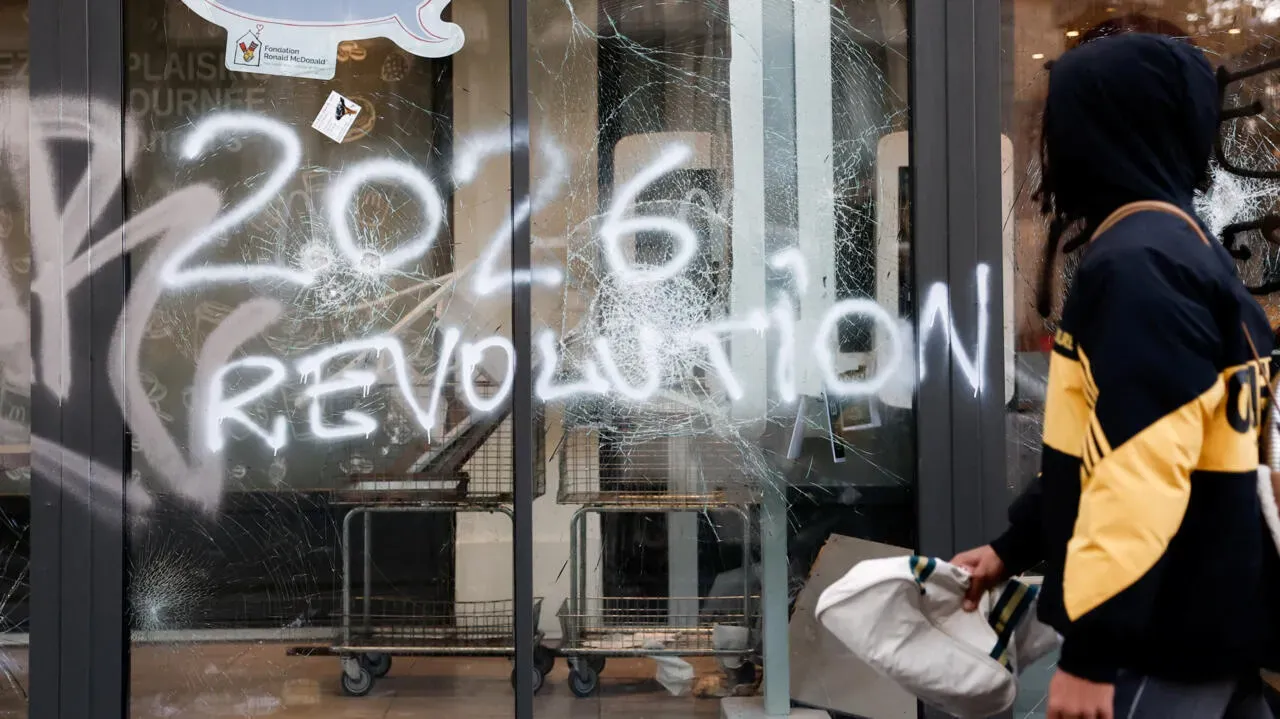
Rising fuel costs are creating significant pressure on households, businesses, and governments across Europe, sparking protests and bolstering far-right parties ahead of elections next year in countries such as France, Italy, and Poland.
Tractors have rolled into the town of Gela, Sicily's southern tip, displaying a flag emblazoned with the island's iconic symbols: Medusa, three bent legs, and ears of wheat. These symbols serve as a reminder of Sicily's historical role as a major bread supplier to Europe since Roman times.
The farmers are not harvesting crops, but protesting against the fuel price hikes that have crippled their livelihoods. The demonstrations are part of a broader wave of cost-of-living protests sweeping across Europe, where households and businesses are struggling to cope with the increasing burden of rising fuel costs.
In France, Italy, and Poland, far-right parties are gaining momentum as voters increasingly turn away from mainstream politics in search of alternatives. Parties that were once considered fringe have been making significant gains, particularly among rural motorists in France and young men in Germany's former Communist east.
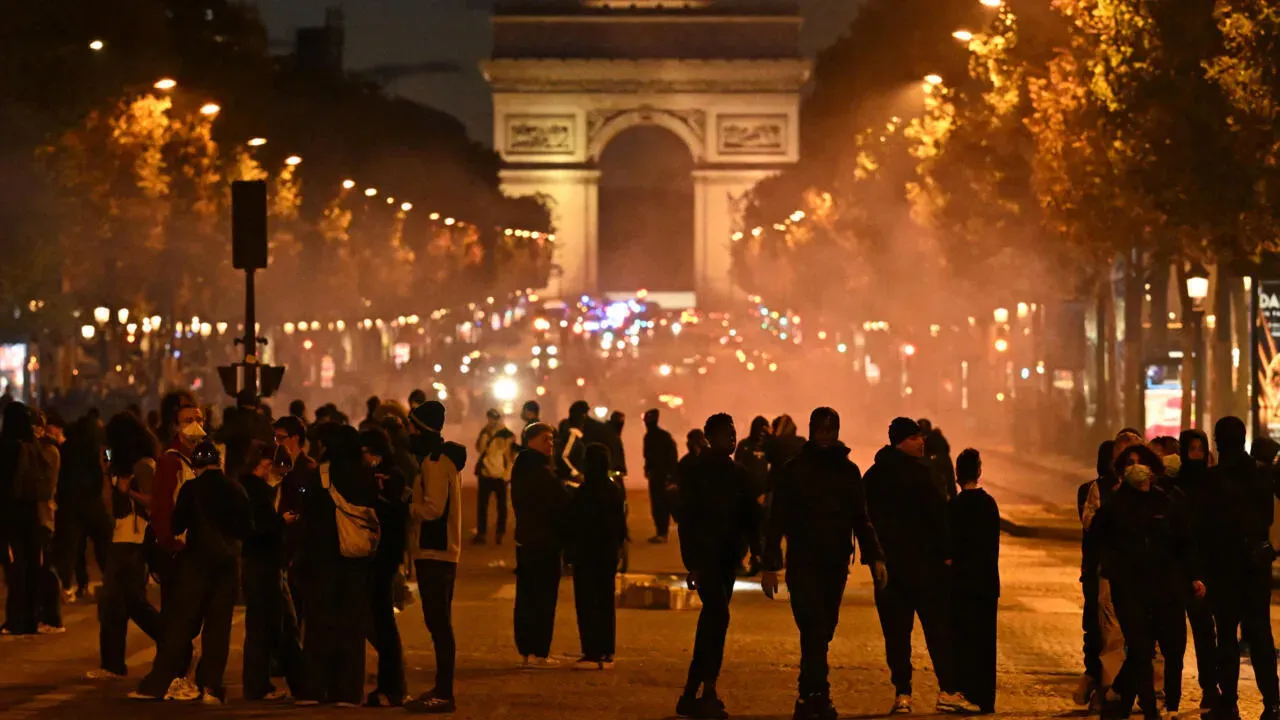
The recent US-Iran conflict has further exacerbated the crisis, driving up energy prices and testing governments' ability to manage inflation, stimulate growth, and rein in spending. As a result, protests are erupting across Europe, with demonstrations turning violent in some parts of France.
Protesters in France are expressing growing frustration over rising living and fuel costs, with some turning to violent methods to make their voices heard.
In cities like Nantes, young people are taking to the streets, voicing concerns about the affordability of basic necessities. One protester, a 21-year-old named Quentin Leviloux, said that the current cost of living is "truly terrifying. He pointed out that for those earning minimum wage, the expenses associated with food, fuel, and other essentials can be overwhelming.
The economic impact of the Iran conflict has been significant, with estimates suggesting it has cost Europe around €100 billion through disrupted trade and energy markets. This has led to a sharp increase in gas prices, which have risen by approximately 140%, while diesel prices have more than doubled.
In response to the growing unrest, French President Emmanuel Macron acknowledged the legitimacy of protesters' demands for lower living costs. However, he also condemned those responsible for violence and looting during demonstrations. In his words, We must never confuse them with those who destroyed, vandalised and looted".
Violent clashes have erupted in other parts of Europe as well, including in Milan, where police faced off against protesters hurling stones and looting stores. The issue is not limited to France or Italy; farmers on Sicily's southern coast are also struggling due to prohibitively expensive fuel costs, which are making it difficult for them to operate machinery.
Farmers in southern Italy are facing severe difficulties due to skyrocketing fuel prices, which have more than doubled their costs.
The high cost of fuel is crippling agricultural operations in regions such as Caltanissetta province, where farmers rely heavily on machinery to cultivate and harvest crops.
In response to the crisis, truckers, farmers, and steelworkers have set up roadblocks across parts of southern Italy, disrupting transportation networks and exacerbating local fuel shortages.
As a result, supermarkets are starting to experience concerns about their supplies, adding to the economic pressures facing communities in the region.
The situation is having far-reaching consequences for the entire country, with food prices likely to rise further as production costs increase.
The economic strain caused by the pandemic and Russia's 2022 invasion of Ukraine has left a lasting impact on Europe, contributing to the latest energy shock.
In France, the rising cost of energy is creating a volatile backdrop for next April's presidential election. The government is struggling with a significant budget deficit and pressure from bond markets, adding to its woes.
Marine Le Pen, the far-right National Rally candidate, has made fuel prices a central issue in her campaign, capitalizing on public discontent. Her ratings have improved since the Iran war began, while those of incumbent President Macron have slipped, according to Elabe polling data.
Le Pen's proposal to cut value-added tax on fuel has garnered broad public support, particularly among her core voters in rural and semi-rural areas where car travel is often essential. Analysts say this issue resonates strongly with these voters, boosting Le Pen's popularity.
Germans are increasingly concerned about rising living costs, with energy prices being a major worry for many citizens.
Inflation in Germany has spiked to nearly a three-year high, with energy price inflation reaching 14.9% in September. This surge in energy costs is providing ammunition for the Alternative for Germany (AfD) party as it attacks Chancellor Friedrich Merz's government.
The AfD is pushing for renewed energy ties with Russia, arguing that Berlin's support for Ukraine is self-sabotaging at a time when Europe's largest economy and many of its energy-hungry companies are struggling.
Experts say there's a clear link between high energy prices and voter turnout for populist parties like the AfD. According to Professor Jan Steckel from the Technical University of Munich, these parties often frame energy costs as avoidable government policy choices rather than underlying geopolitical shocks.
Populist parties have a knack for simplifying complex issues, making it easier for voters to understand and relate to their message, said Professor Steckel. This ability to simplify and explain is one reason why incumbent parties struggle in elections.
The momentum behind far-right parties is gaining ground across Europe, as voters increasingly turn to these groups in response to rising fuel costs and economic uncertainty. In Italy, Prime Minister Giorgia Meloni's government is facing a challenge from National Future, a new right-wing party led by former army general Roberto Vannacci.
This party advocates for re-establishing gas links with Russia, a move that has resonated with voters concerned about the impact of high energy bills on their daily lives. Similarly, in Poland, a country strongly supportive of Ukraine, the Confederation of the Polish Crown is gaining traction as its leader Grzegorz Braun calls for a return to buying Russian oil and gas.
Facts based on reporting originally published by France 24 English.
You may republish this story, in full or in part, if you credit News Central Site and link to it (licence CC BY 4.0). Photos are not included.