Federal Court Orders White House to Restore Access for Banned News Organizations
A federal court has intervened to restore access for three news organizations that were banned from the White House last month over their coverage of President Trump's administration.
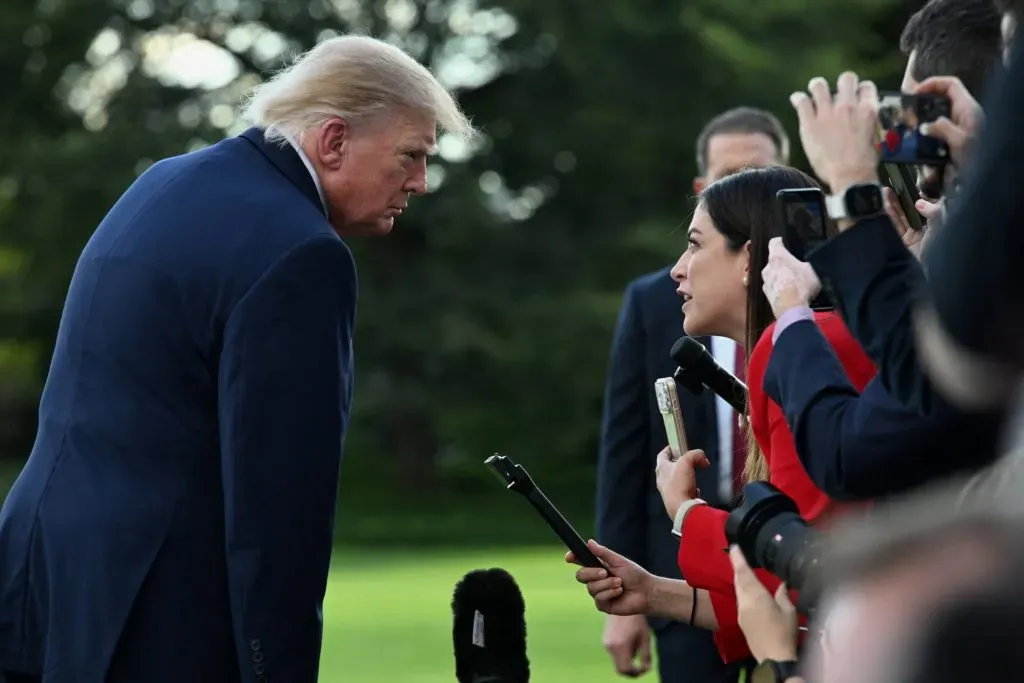
A federal court has intervened to restore access for three news organizations that were banned from the White House last month over their coverage of President Trump's administration.
The ruling, issued late yesterday evening, instructs the White House to grant full press credentials to CNN, MSNBC, and Politico while their lawsuit against the ban remains pending. This means that these outlets will have unrestricted access to White House events and press briefings for now.
Ted Boutrous, attorney for the three news organizations, is representing them in this case. He has been vocal about the impact of the initial ban on a free press. According to reports, the judge's decision will remain in effect until a final ruling is made or a higher court intervenes, effectively blocking any attempt by the White House to enforce its original decision.
The move comes as part of an ongoing legal battle between the news organizations and the Trump administration over access to information from the White House.
A federal judge has made key rulings in favor of news organizations challenging President Trump's ban on certain outlets from White House press briefings. The judge found that the outlets were likely to succeed in their claim that they were denied due process when their hard passes were revoked without notice.
The Due Process Clause of the US Constitution requires fair notice and an opportunity to be heard before a liberty interest, such as freedom of speech, is taken away by the government. In this case, the judge ruled that the news organizations had not been given adequate notice or opportunity to respond before their hard passes were revoked.
This decision has significant implications for press access at the White House. The court's ruling suggests that the Trump administration may have acted in retaliation against certain outlets and journalists who engaged in free speech and First Amendment activities.
The White House's decision to revoke press credentials from certain outlets has sparked a heated debate over the limits of presidential power and the First Amendment rights of journalists.
In response to this controversy, the Trump administration has argued that news organizations have no inherent right to access the president, which is a claim supported by some constitutional scholars. However, this stance raises important questions about where the line should be drawn between a president's discretion to determine who gets access and unlawful retaliation against journalists for their coverage.
The court's ruling in this case suggests that the White House must ensure that any restrictions on press access are reasonable and viewpoint-neutral. This means that reporters with press credentials cannot be thrown out of White House facilities simply because of their employer or the content they publish.
The Trump administration's actions in revoking press credentials from certain outlets have been seen as a clear example of unlawful retaliation against journalists who engage in free speech and First Amendment activities. By targeting specific news organizations, the president has raised concerns about the impact on the freedom of the press and the public's right to know.
The White House's argument that it can determine who gets access to the president without violating constitutional rights is being challenged by lawyers representing the banned outlets, who argue that the restrictions must be viewpoint-neutral and reasonable.
The White House's decision to ban certain news outlets from press briefings has sparked a heated debate over the limits of presidential power and the First Amendment.
Lawyers representing the banned outlets argue that the restrictions are a fundamental violation of their constitutional rights, and a judge has found that they have a strong case. This raises concerns about the precedent such actions could set for future administrations, potentially allowing them to exclude any outlet deemed unfavorable.
If a Democratic administration were to follow suit and ban pro-Trump outlets, it would likely raise similar First Amendment concerns, according to Theodore Boutrous, an attorney representing the banned outlets.
The solidarity among news organizations and journalists in this matter is evident, with 77 news organizations from across the political spectrum joining forces through an amicus brief filed by the Reporters Committee.
The notion of viewpoint discrimination has been central to the controversy surrounding the White House's decision to ban certain news organizations from press events. This principle is fundamental to the concept of a free press, allowing journalists to hold those in power accountable without fear of retribution.
The solidarity among news organizations and journalists on this issue is evident, with over 70 outlets signing a legal brief in support of CNN, MSNBC, and Politico's efforts to restore their access to White House events. The attorney for the banned outlets has argued that President Trump's actions are counterproductive, as they undermine the very principles of a free press.
Facts based on reporting originally published by PBS NewsHour Politics.
You may republish this story, in full or in part, if you credit News Central Site and link to it (licence CC BY 4.0). Photos are not included.