
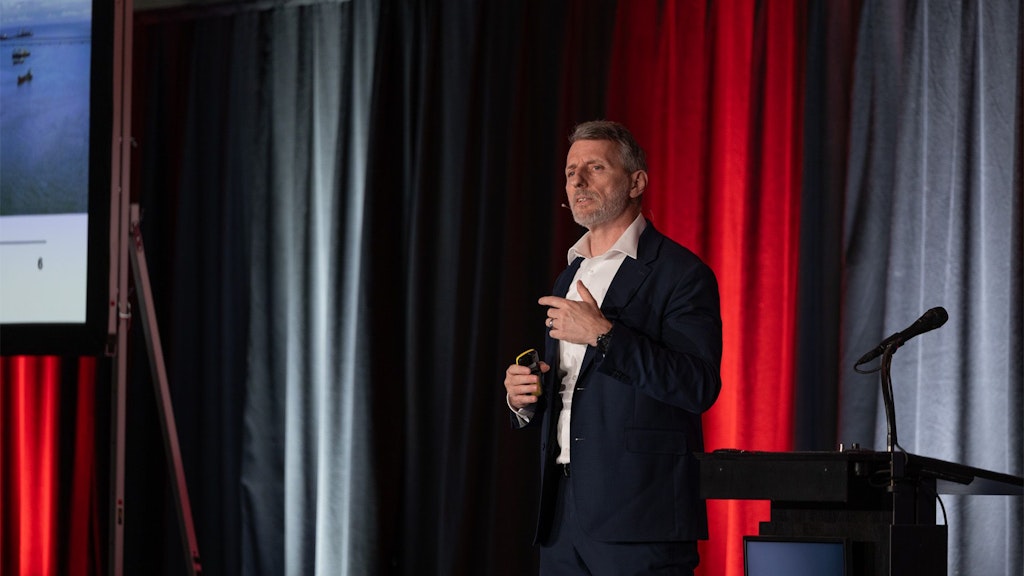
On June 15, 2026, the ELROB organizing team welcomed approximately 300 guests to the Thun military training area. Employees of the federal administration, members of the armed forces, representatives from industry, research, and universities, as well as international guests took the opportunity to immerse themselves in the world of robotics. The focus was on unmanned ground vehicles for security-related missions.
Through various presentations by experts from research, industry, and the military, guests gained insight into the growing importance of unmanned robotic systems. The accompanying exhibition offered the chance to experience the current state of the technology up close. Visitors were able to see the systems on display in action, talk with experts, and discuss their potential applications.
Keynotes
The event was opened by Thomas Rothacher, Head of armasuisse Science and Technology (S+T) and Deputy National Armaments Director. In his address, he made it clear that the current geopolitical situation is making the international balance increasingly fragile. As conflicts shift toward Europe, he said, it is becoming ever more important to critically scrutinize information. The well-known adage “Don’t believe everything you read” must therefore be expanded today to: “Don’t believe everything you see.”
Thomas Rothacher also emphasized that modern warfare is undergoing fundamental changes. Small, low-cost, and simply designed drones are now capable of putting highly complex and heavily armored vehicles out of action. This asymmetric form of warfare underscores the need to understand, evaluate, and further develop new technologies at an early stage. This is precisely where ELROB’s added value lies: The event makes it possible to test robotic systems under realistic conditions and to realistically assess their performance and operational potential.
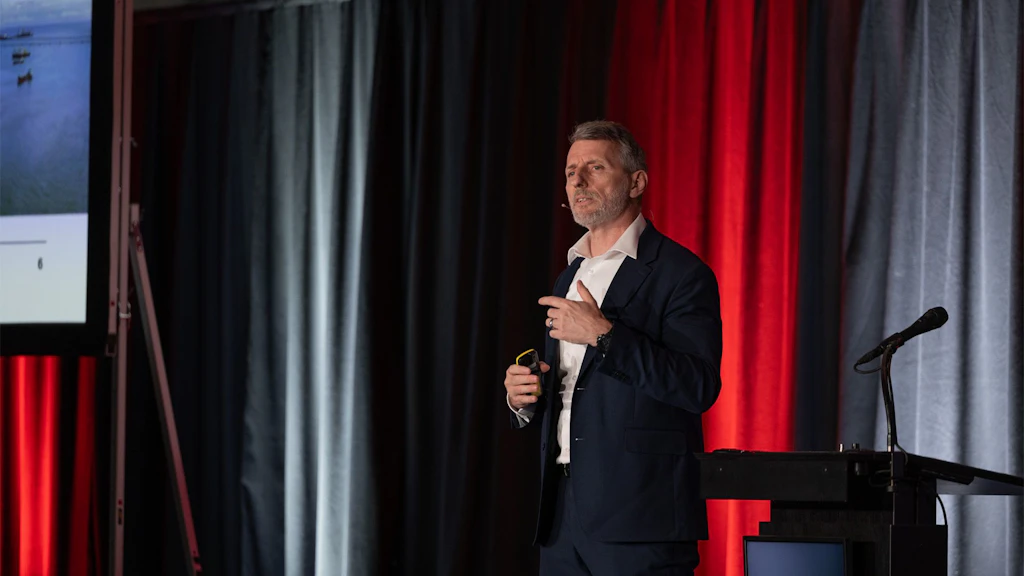
Building on this, Brigadier Hans-Jakob Reichen, Head of Armed Forces Development, highlighted how technological developments are impacting the armed forces and their capabilities. He emphasized that close cooperation between humans and machines will be crucial in the future. Today’s modern battlefield is largely transparent—there are hardly any safe places left. In addition to events on the ground, one must simultaneously take into account developments in airspace as well as in cyberspace and the electromagnetic spectrum. Since virtually every movement can be detected and countered, the concentration of forces on the battlefield is now only possible to a limited extent.
New technological solutions are needed to effectively support soldiers under these conditions. Robotic systems could make a significant contribution in this regard: They can transport heavy loads, assist with medical evacuations, improve situational awareness through sensor technology and reconnaissance, provide protection against drones and enemy infiltration, and enable the use of standoff weapons.
The participating teams from ELROB demonstrated what is already possible in these areas today by presenting their robotic systems in short pitches. This gave guests a concise overview of the various approaches and technological focuses of the international participants.
The morning concluded with a keynote address by Dr. Tobias Vestner, Director of Research and Policy Advice Department and Head of Security and Law at Geneva Centre for Security Policy (GCSP), who spoke from the industry’s perspective. He pointed out that while military robotics and drone technologies have existed for decades, their strategic significance has fundamentally changed due to the evolving security policy environment. Today, he noted, it is not only technological advances that are decisive, but above all new operational scenarios and geopolitical developments. His presentation centered on the question of which path Europe should take in the future: that of technologically advanced, high-end systems, or one focused on cost-effective solutions available in large quantities. His conclusion was clear: military robotics is no longer merely a supplement to existing armed forces but is evolving into a decisive factor for Europe’s future defense capabilities. The decisions made today in research, development, and regulation will significantly determine how Europe can ensure its security in the future.
Exhibition and Demonstrations
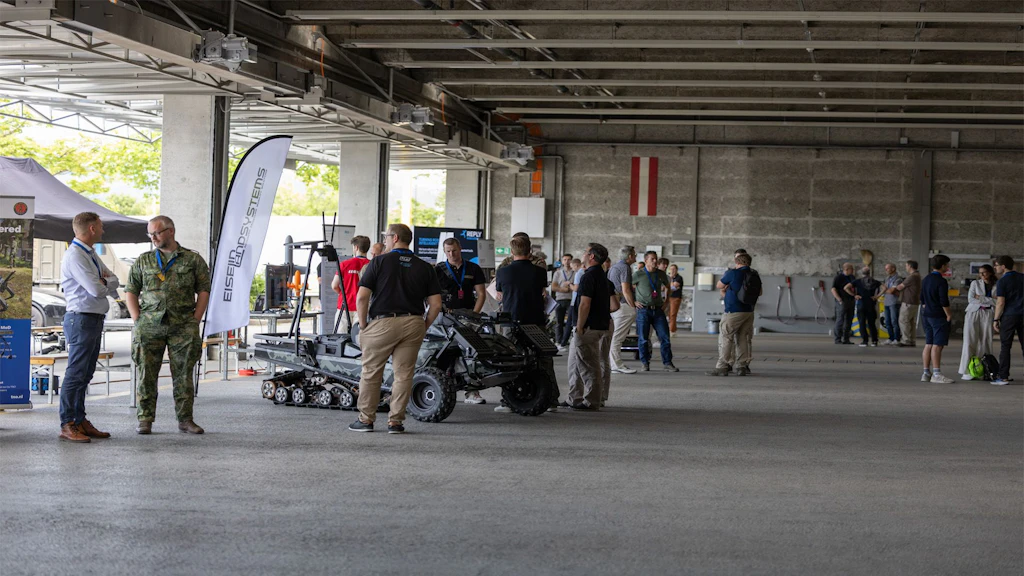
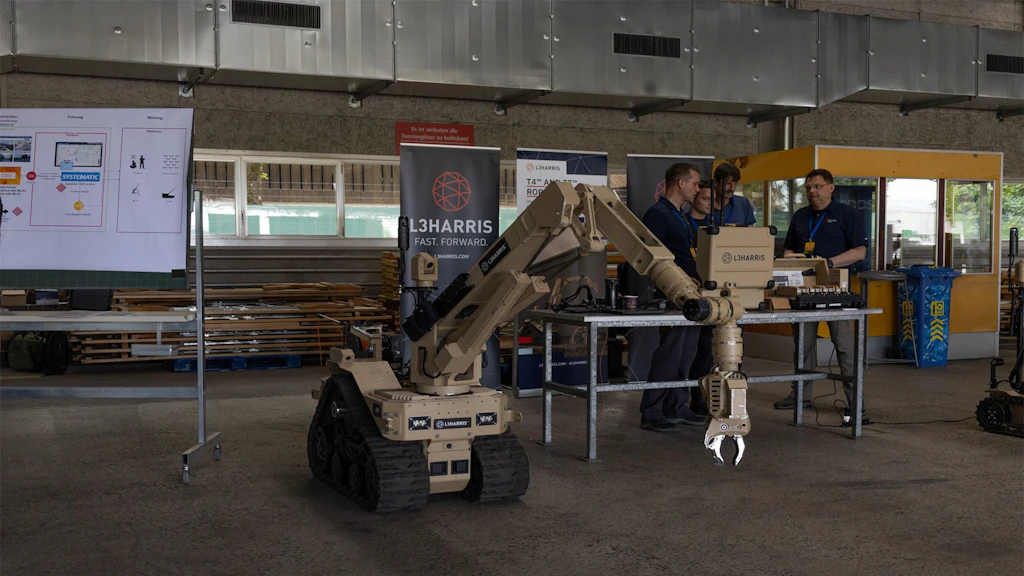
Following the technical presentations, an exhibition featuring over 30 booths and organizations provided a comprehensive overview of the current state of robotics. National academic institutions, industry representatives, and the participating teams showcased state-of-the-art unmanned systems, sensors, and technologies for security-related applications. Visitors were able to experience the systems up close, learn how they work, and engage directly with the developers.
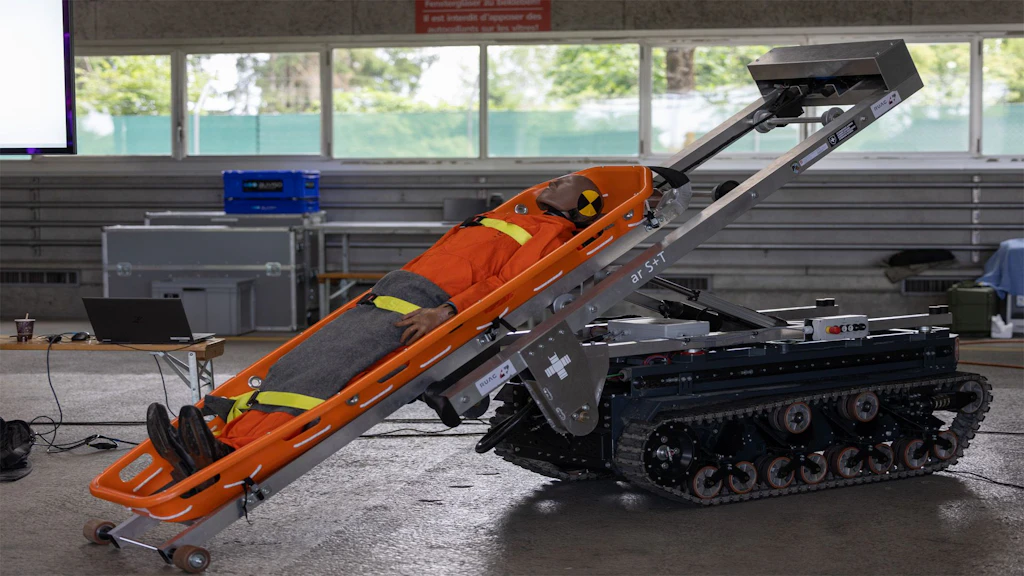
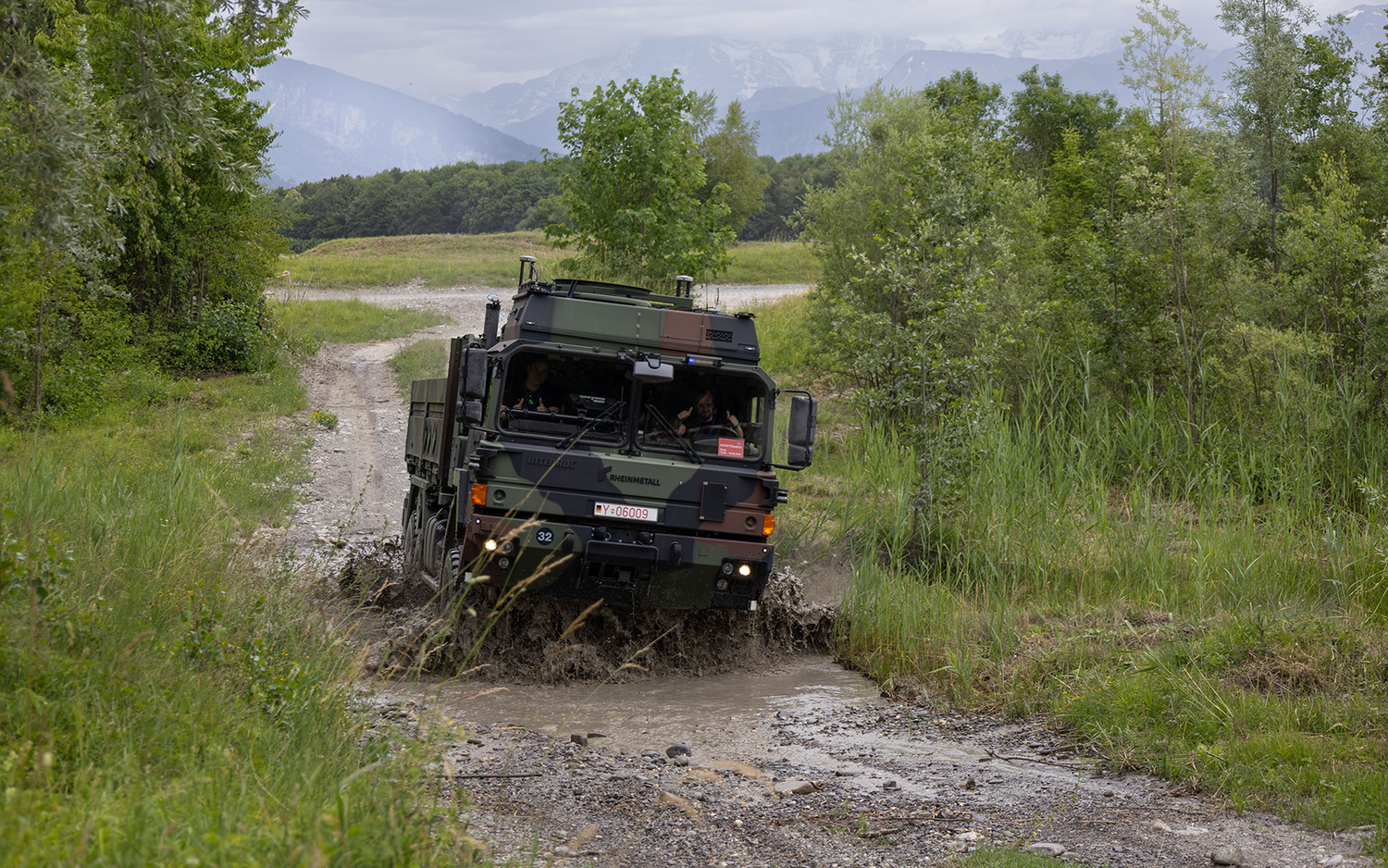
The exhibition was complemented by live demonstrations of larger robotic systems. Under realistic conditions, the systems showcased their capabilities in the areas of autonomous navigation, transport, and remote operation. The demonstrations clearly illustrated how versatile modern unmanned systems already are today and the potential they offer for future military and civilian applications.
Focus on Realistic Scenarios
Throughout the week, the five ELROB scenarios – Convoying, Mule, Non-urban Recon, Reconnaissance of explosive remnants of war (ERW), and Search & Rescue / CasEvac – took center stage at the event. The international teams put their robotic systems to the test under challenging and realistic conditions. In doing so, they had to complete a wide variety of tasks and demonstrate their systems’ performance, robustness, and reliability. The scenarios were based on realistic operational situations and made it possible to assess the technological maturity of the systems in a comparable manner.
In addition to the performance comparison, the event also focused on the international exchange of knowledge and experience. Throughout the event, the teams took the opportunity to compare their approaches, discuss their experiences from the tests, and learn from one another. ELROB thus not only provided a platform for testing new technologies but also fostered the establishment of new contacts and the development of potential new partnerships.
.png?w=1024&auto=format)
ELROB 2026 and Innovation
“ELROB 2026” was supported by the DDPS Innovation Spaces. The DDPS Innovation Spaces are tools for finding solutions to existing challenges within the DDPS. This process involves identifying technology trends and new approaches and evaluating them to determine whether they meet specific needs. This early and close collaboration with partners from the Armed Forces, industry, and academia enables armasuisse S+T to identify new technologies and solutions at an early stage and assess their benefits for the Armed Forces’ defense capabilities.