El Niño Event to Bring Record Coastal Flooding and Erosion
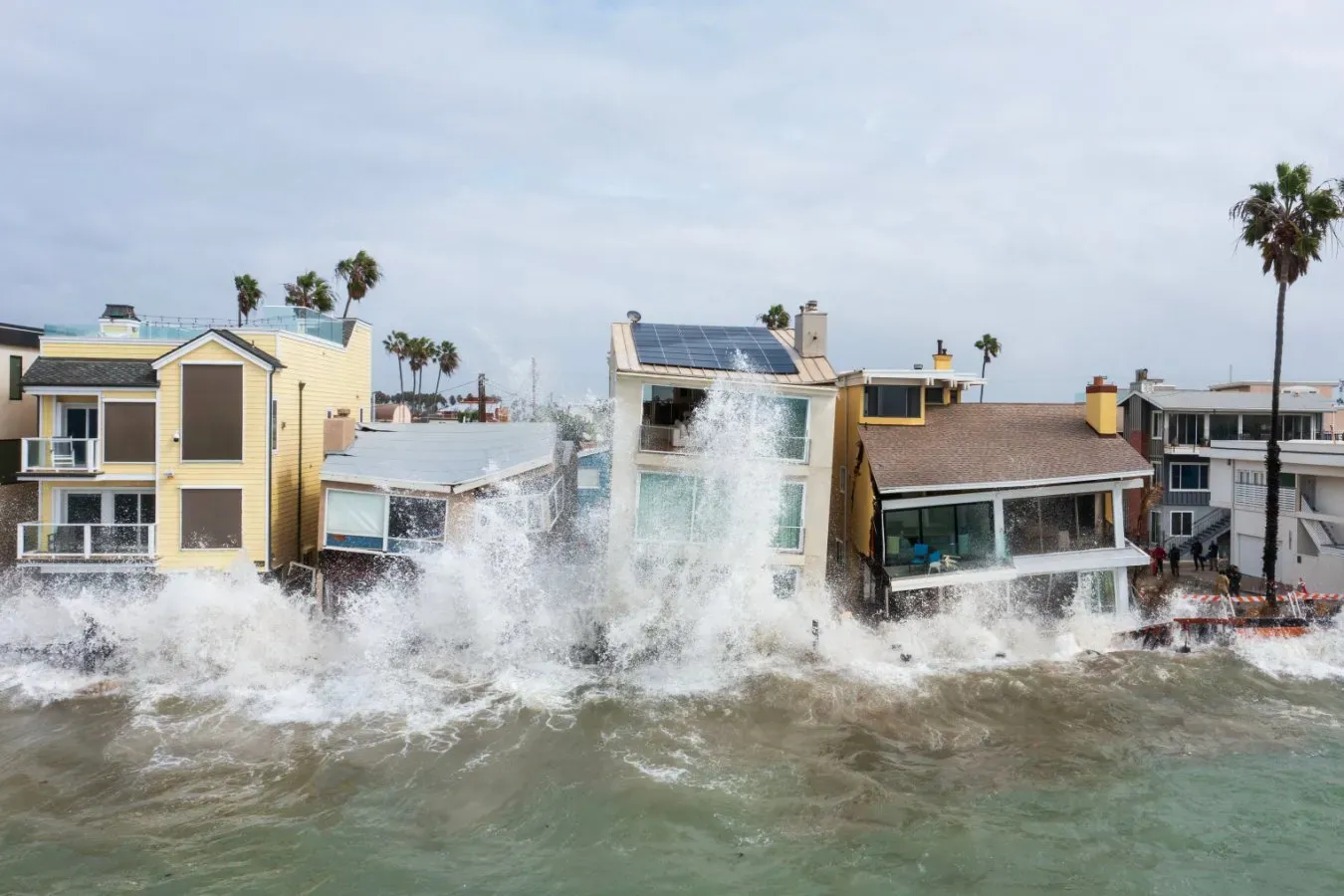
A powerful El Niño event is set to bring record coastal flooding and erosion to parts of the world, but its impact will not be uniform across all regions.
A powerful El Niño event is set to bring record coastal flooding and erosion to parts of the world, but its impact will not be uniform across all regions.
On the opposite side of the Pacific, areas around Australia and the Coral Triangle can expect falling sea levels due to the El Niño phenomenon. This decrease in sea level poses a significant threat to mangrove forests, corals, and seagrass meadows in these regions. The consequences could be severe, with mass die-offs of mangroves potentially occurring.
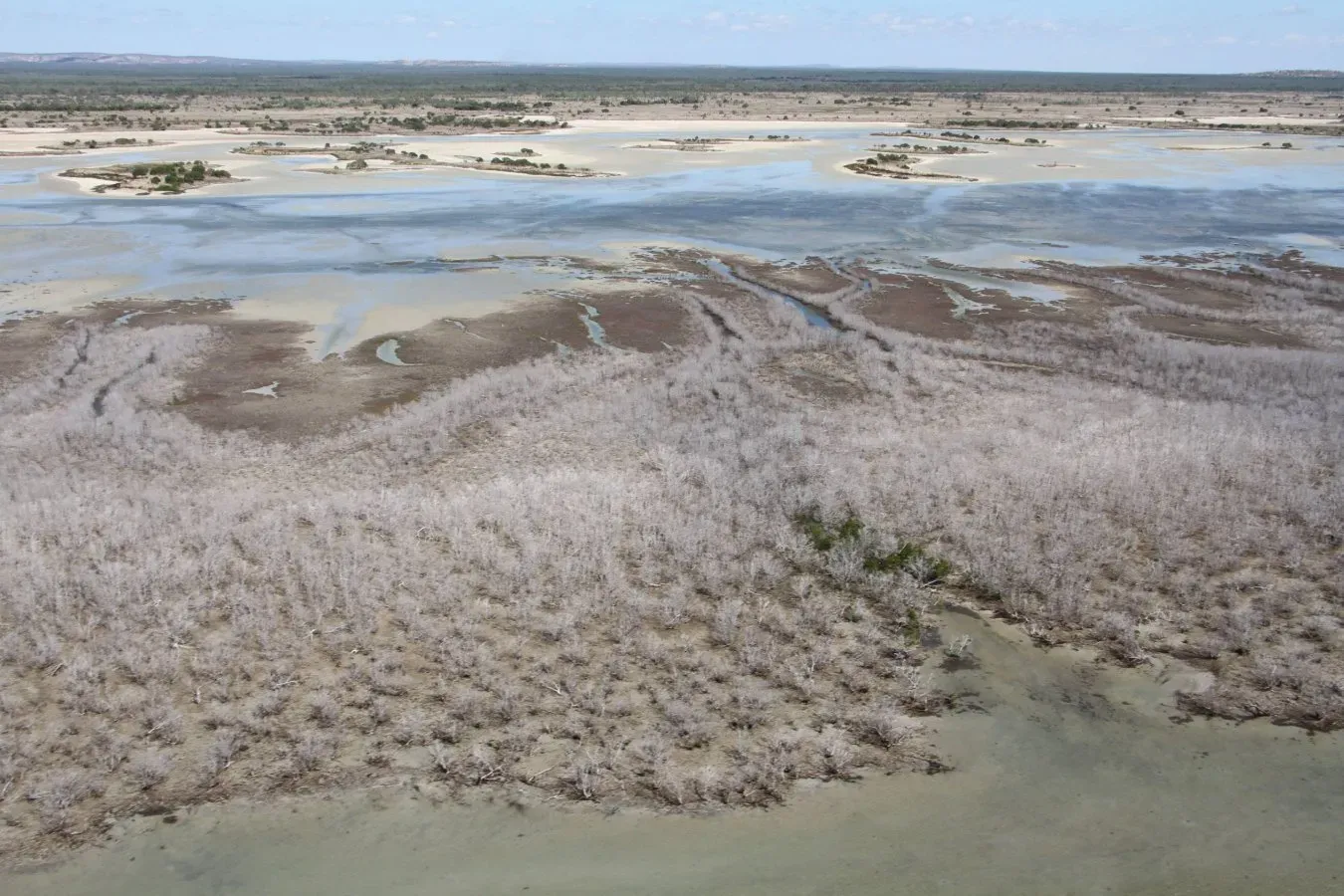
Research suggests that during previous super El Niños in 1982/83 and 2015/16, there were widespread diebacks of mangrove forests along northern Australia's shoreline. Norman Duke at James Cook University has noted this trend, highlighting the vulnerability of these ecosystems to sea level fluctuations.
The severe die-off of mangroves in the Gulf of Carpentaria during the 2015 El Niño event is a stark example of what can happen when sea levels drop by as much as 40-50 centimetres for an extended period of at least six months. The extent of any similar or more severe impact this time around will depend on various factors, including rainfall in the affected regions.
The impact of El Niño on sea levels is having a profound effect on coastal ecosystems in the western Pacific. In regions where trade winds normally push warm water towards Australia's northeastern coast, these winds are weakening or reversing during this strong El Niño event.
As a result, the accumulated warmth is being released across the Pacific, causing a noticeable "see-saw" effect in sea levels. While the eastern Pacific near the equator is experiencing unusually high sea levels of up to 40 cm above normal, parts of the western Pacific, including northern Australia and the Coral Triangle, are seeing significantly lower sea levels.
The situation is particularly challenging for mangrove forests, which thrive in the upper part of the tidal range. If the tidal range decreases simultaneously with falling sea levels, these ecosystems can become stranded high above the waterline, leaving them vulnerable to damage or even extinction.
The ongoing El Niño phenomenon is expected to bring a mix of higher-than-normal tidal ranges and falling sea levels in certain areas, posing significant challenges for sensitive ecosystems like mangroves and corals.
In the Gulf of Carpentaria, the increased tidal range may help mitigate the risk of dieback, but sea levels are likely to drop even lower than they did during the 2015 event. This discrepancy highlights the complex interactions between El Niño-driven sea level fluctuations and tidal dynamics.
Along the western coastline of the gulf, however, the tidal range is expected to be smaller than usual, according to Saintilan's analysis. The implications of this are far-reaching, as tidal ecosystems around the Pacific are only just beginning to reveal their full vulnerability to these changes.
Changes in sea level have already been shown to impact mangrove health, with a 2025 satellite study finding that nearly one-third of global anomalies in mangrove leaf area index were caused by sea-level fluctuations. Corals and seagrass meadows also stand to suffer, as shallow reefs and meadows are left exposed during low tide and vulnerable to drying out or increased temperatures.
The impact of El Niño's sea-level drop is expected to extend beyond coral reefs to other coastal ecosystems. Mangroves, which are crucial nurseries for juvenile fish and provide vital shoreline protection, will also be affected as they become exposed during low tide.
Marine heatwaves have been a major contributor to the die-off of corals in the western Pacific, but research suggests that the sea-level drop may play a significant role as well. However, studies attempting to quantify this contribution are lacking, with experts struggling to convince colleagues of its importance.
The neglect of this issue is particularly concerning given the extensive damage El Niño has already caused to coral reefs and other habitats in the region.
Facts based on reporting originally published by New Scientist.
You may republish this story, in full or in part, if you credit News Central Site and link to it (licence CC BY 4.0). Photos are not included.