Ebola Outbreak in Eastern Congo Continues to Claim Lives
Families affected by the outbreak are struggling with grief, fear, and stigma due to the highly infectious nature of the disease.
The ongoing Ebola outbreak in eastern Congo is taking a devastating toll on families who have lost loved ones to the disease.
Families are struggling with grief, fear, and stigma as they grapple with the loss of their relatives, often in isolation due to the highly infectious nature of the disease.
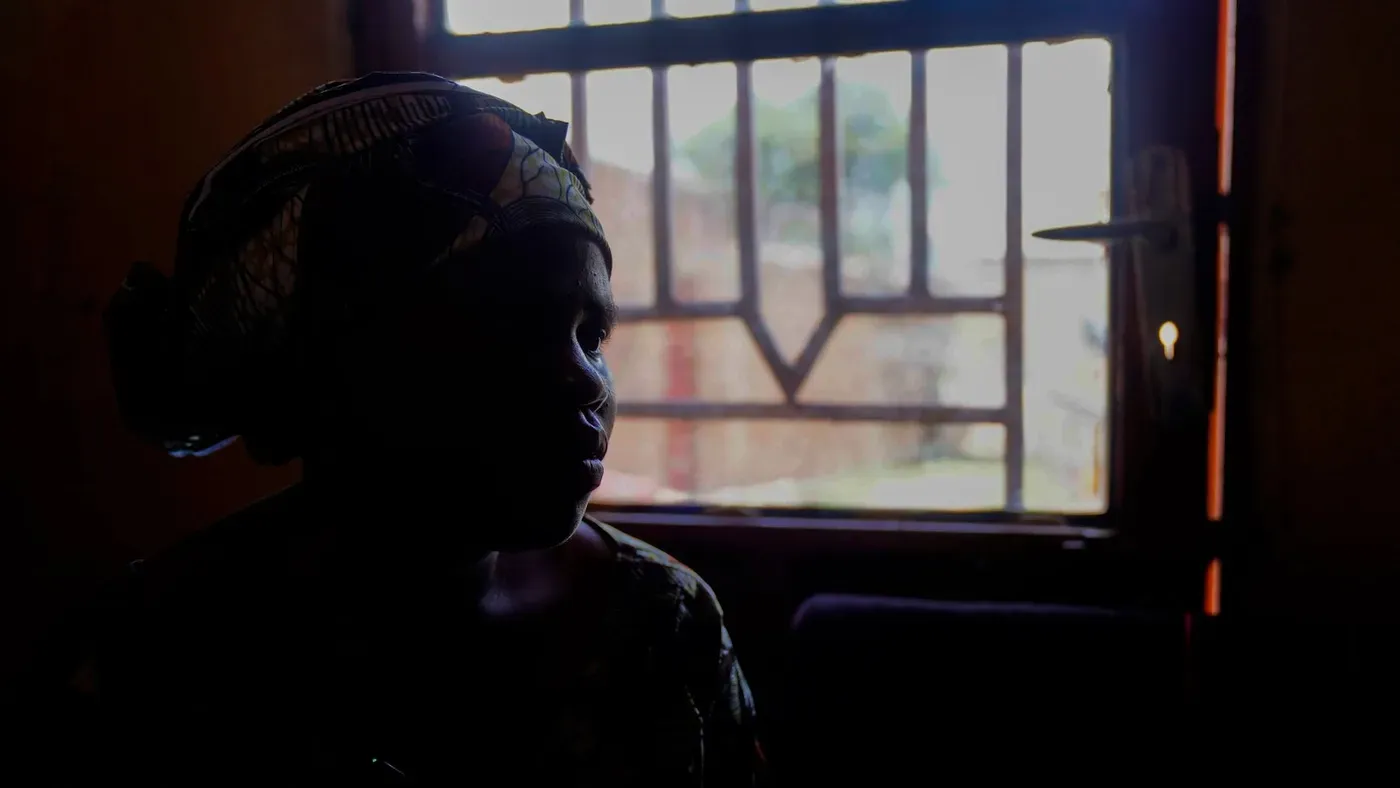
A schoolteacher from Bunia, who wished to remain anonymous for fear of being ostracized by her community, has spoken out about the trauma she experienced after losing five family members to Ebola. She described feeling "deeply shaken upon learning of their diagnoses and was subsequently hospitalized with stress-related complications.
The teacher's experience is a stark reminder of the psychological burden faced by families affected by the outbreak, which has claimed over 4,600 lives since its inception. The community in Ituri province, where the outbreak originated, has been severely impacted by rebel violence and mistrust, exacerbating the challenges posed by Ebola.
Despite the efforts of healthcare workers, the outbreak continues to spread at an alarming rate due to factors such as mass population movements, poor working conditions for frontline staff, and a lack of trust in medical facilities. The World Health Organization has expressed concern over the pace of the outbreak, which is outpacing containment efforts.
The economic and social strain on communities affected by Ebola cannot be overstated, with many families struggling to cope with the loss of loved ones and the stigma associated with the disease. As the outbreak continues to unfold, it remains to be seen how those directly impacted will recover from this traumatic experience.
Grief can be compounded in a country where Ebola is viewed as an evil disease due to widespread misconceptions and rumors. This sentiment contributes to the intense emotional toll on families who have lost loved ones to the outbreak. In such cases, responders say grief can be especially severe, making it difficult for families to cope with their loss.
The psychological effects of past Ebola outbreaks can persist long after the immediate crisis has passed, often manifesting as anxiety and mood disorders. The World Health Organization notes that this is a common phenomenon, highlighting the need for sustained support and care for those affected. This ongoing trauma underscores the complexities of responding to an outbreak like Ebola.
Congo's 17th Ebola outbreak has spread to eight provinces, coinciding with decades-long conflict in the east between government forces and rebels. The escalation of violence has further exacerbated the vulnerability of populations already affected by war and severe malnutrition. As a result, many areas are struggling to cope with the additional burden imposed by the outbreak.
The medical response has focused primarily on treating and containing the disease, but experts say little attention has been paid to the mental health needs of those affected. This oversight is particularly concerning given the long-term psychological effects experienced by communities in similar situations. Mental health specialists warn that the situation is dire, with vulnerable populations struggling to cope.
Mental health specialist Mirella Riccardi notes that areas already devastated by war and crisis have been severely impacted by the outbreak. There are so many areas (in eastern Congo) already devastated by war, crisis and severe malnutrition," she said, emphasizing that Ebola has worsened the condition of vulnerable populations and their mental health conditions.
The Ebola outbreak in eastern Congo has had a profound impact on local communities, causing widespread fear and stigma among residents.
Neighborhoods are now eerily quiet as families stay away from each other's homes, fearing infection. It isn't until responders arrive to take the sick to a clinic that the silence is broken, followed by a thorough disinfection of the affected home.
The isolation has taken a severe toll on families who have lost loved ones to the disease. A teacher who contracted Ebola herself recounted the trauma her family experienced during this time, emphasizing the devastating impact on their mental health.
Many residents initially misdiagnosed their symptoms as poisoning or malaria before realizing they could be suffering from Ebola. This delay in diagnosis has contributed to the spread of the disease and worsened its effects.
The Samelo mental health facility in Bunia has seen a significant surge in patients, with up to 350 individuals admitted due to the outbreak, according to staff at the facility.
The Ebola outbreak in Congo has left families struggling to cope with fear and stigma, as evidenced by the situation of a woman who lost her husband to the disease.
Fear of Ebola persists within this family, causing tension among neighbors, with some wondering how the outbreak will end. The community is on edge, reflecting the broader impact of the crisis. Ultimately, the suffering caused by Ebola will only subside when the outbreak itself comes to an end.
Facts based on reporting originally published by ABC News Health.
You may republish this story, in full or in part, if you credit News Central Site and link to it (licence CC BY 4.0). Photos are not included.