US Organ Transplant System Faces Criticism for Variability
Patients are uncertain about their chances of receiving a life-saving transplant due to the variability in the US organ transplant system.
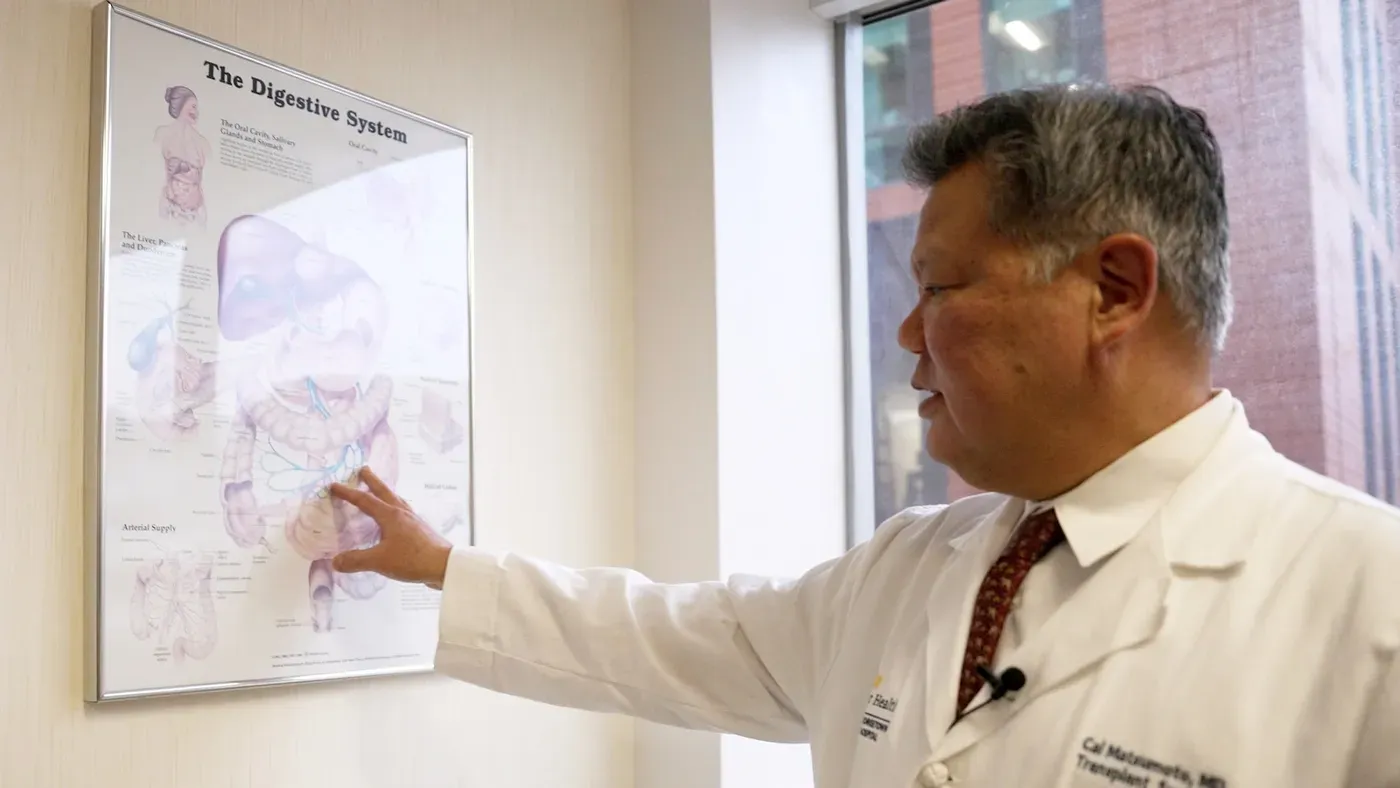
The US organ transplant system has been criticized for its variability, leaving patients uncertain about their chances of receiving a life-saving transplant. While luck and patience can play a role in securing a spot on the waiting list, experts say there are ways to improve one's chances.
Patients like Katherine Screws, who underwent a rare intestine transplant after joining multiple hospital waiting lists, have successfully navigated the system by doing their research. According to Screws, it was essential to ask questions and understand what factors could influence her chances of receiving a transplant.
To help patients make informed decisions, publicly available data on hospital performance and transplant outcomes has been compiled into the Scientific Registry of Transplant Recipients (SRTR) database. This tool, previously used by experts analyzing the system, now features new patient-friendly resources designed to assist individuals in their search for a suitable transplant center.
Dr. Allyson Hart, who contributed to the development of these tools at Minnesota's Hennepin Healthcare Research Institute, noted that many patients are making critical decisions without fully understanding their options. By leveraging this data and asking the right questions, patients can better navigate the complex US organ transplant system.
The surge in organ donations over the past decade has significantly contributed to the increase in transplants performed in the US. According to recent statistics, there are approximately 100,000 people on the transplant list at any given time, with the majority needing a kidney transplant.
However, despite this growth in organ availability, demand remains high, and more organs are needed to meet the requirements of patients waiting for a new organ. Each transplant hospital has its own set of criteria when it comes to accepting patients onto their waiting list.
This means that sometimes a patient may receive a "no from one hospital but still have a chance at transplantation elsewhere. Dr. Syed Ali Husain, a kidney specialist at NYU Langone Health, noted this phenomenon in his practice.
The national automated matching system plays a crucial role in connecting patients with available organs. Organ procurement organizations enter information about viable organs into the system, which then generates lists of possible matches across multiple hospitals, prioritized according to need.
This process allows transplant teams to quickly assess whether an offered organ is suitable for their patient or if it should be passed on to another hospital with a higher-priority candidate. However, differences in acceptance criteria among hospitals can lead to variations in transplant rates.
One study found that there's a significant 16-fold difference in the speed at which patients receive transplants from one center to another. This disparity is partly due to surgeons' varying levels of experience when it comes to using complex kidney anatomy or organs from older, sicker donors.
When searching for an organ transplant center, patients are often directed to the nearest hospital offering the required procedure. However, thanks to the SRTR database, individuals can now compare transplant centers across the country in various ways, allowing them to make a more informed decision.
The SRTR database provides a list of transplant centers sorted by volume, along with performance metrics such as wait times, survival rates on the waiting list, and organ survival. By clicking on individual centers, patients can access additional data and compare outcomes for specific organs. This tool empowers individuals to research and evaluate different hospitals based on their unique needs.
For certain organs, such as kidneys, the SRTR database offers a personalized decision guide that allows users to tailor their search with demographic and medical information. This feature enables patients to see how different centers perform in relation to their specific characteristics, which can be particularly important when considering factors like age or chronic illness.
The kidney decision aid also provides valuable insights into organ transplantation success rates, including the likelihood of receiving a transplant within the first five years on the waiting list. Additionally, it allows users to factor in relevant variables such as blood type and diabetes status, giving patients a more comprehensive understanding of their options and potential outcomes.
The decision to participate in organ transplantation is a complex one, and patients often explore various options before making a choice.
Some individuals opt to double list" at two different hospitals - one closer to home for convenience, and another with higher transplant volumes for potentially faster outcomes.
This strategy allows patients to compare wait times and success rates between centers, ultimately informing their decision about where to undergo the procedure.
Facts based on reporting originally published by ABC News Health.
You may republish this story, in full or in part, if you credit News Central Site and link to it (licence CC BY 4.0). Photos are not included.