Cristian Mungiu Wins Palme d'Or at Cannes Film Festival
Romanian director Cristian Mungiu's latest film, Fjord, has made a splash at the 79th Cannes Film Festival in May, taking home the top prize of the Palme d'Or award.
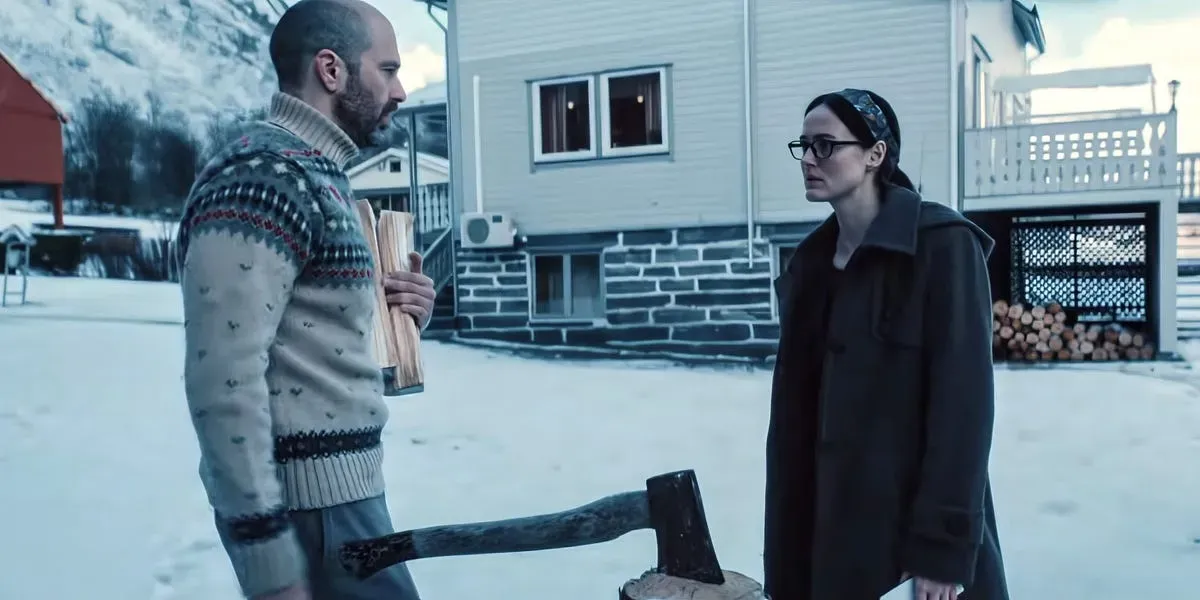
Romanian director Cristian Mungiu's latest film, Fjord, has made a splash at the 79th Cannes Film Festival in May, taking home the top prize of the Palme d'Or award.
The drama follows the lives of a married couple, Mihai Gheorghiu and his wife Lisbet, who relocate to Norway with their five children. The move is prompted by the passing of Mihai's parents, allowing the family to be closer to Lisbet's relatives in Norway who can help care for the kids.
The Gheorghius are devout Christians who initially fit in well with their new community, but their conservative values and practices rub against the more progressive views of their neighbors. They make a point of openly stating that marriage should only be between a man and a woman, which does not go unnoticed by the locals.
As the family settles into their new life, tensions begin to rise when school administrators report to Child Protection Services that some of the Gheorghius' children have arrived at class with visible bruises on their bodies.
The film's portrayal of the Gheorghiu family's interactions with authorities raises questions about how institutions respond to reports of child abuse. The family has been accused of mistreating their children, but the extent and nature of this alleged abuse is left unclear in the movie.
When questioned by police, Mihai admits to occasionally slapping his children as a form of punishment and to prevent them from getting hurt. His wife Lisbet also acknowledges forcing her children out of harm's way during roughhousing incidents in the kitchen, where she had been cooking with scalding water on the stove.
The Gheorghiu family believes they are being unfairly targeted by authorities due to their status as outsiders. They suspect that the agency is using child welfare as a pretext to punish them for their unconventional lifestyle and religious beliefs.
Mungiu's film opens in theaters on October 9, offering a commentary on the inflexibility of bureaucracy and the challenges faced by minority groups within society. By examining Norway's response to the Gheorghiu family's situation, Mungiu highlights the ways in which institutions can impose their own values on others.
The Bodnariu family's experience in Norway highlights a complex issue at the heart of Mungiu's film. The director draws attention to how institutions can exert pressure on families to conform to societal norms, often without fully understanding their cultural backgrounds.
A pivotal moment in this narrative is when child protection services intervened in the Bodnariu home, taking away their children due to suspicions of physical punishment. This event was triggered by a school principal's concerns after one of the daughters mentioned being slapped by her parents.
The case raises questions about how institutions respond to allegations of abuse and whether they always prioritize the well-being of the family or impose their own values on them. The Bodnariu family's situation serves as a stark reminder that even in liberal societies, there can be a disconnect between official policies and the practical application of those policies.
The school principal's actions and the subsequent intervention by child protection services demonstrate how easily accusations can escalate into drastic measures, leaving families to navigate unfamiliar systems and consequences.
Child Protection Services in Norway swiftly took custody of Marius's and Ruth's daughters following allegations against the parents.
The agency also removed the couple's infant from their care the very next day, sparking debate about the severity of the measures taken.
This heightened level of intervention is believed to have been prompted by a series of high-profile cases, including the tragic death of an eight-year-old boy in 2005 at the hands of his stepfather.
The incident led to increased scrutiny and stricter laws regarding child welfare in Norway.
The Bodnariu family's experiences in Norway were not without support from their community back home in Romania. Members of Marius's Pentecostal congregation showed solidarity with the family, believing they were being unfairly targeted due to their faith.
In a pivotal scene in the film Fjord, Mihai is seen vowing to take matters into his own hands after concluding that the Norwegian justice system had failed to reunite him with his children. This decision reflects the intense emotions and desperation that often accompany family separations.
Following an extended court battle, the Bodnariu children were ultimately returned to their parents, Ruth and Marius. The complex and emotionally charged issues surrounding this case have been woven into the narrative of Fjord, sparking debate about the balance between parental rights and government intervention in child-rearing decisions.
The film's exploration of these questions has led some critics to question whether Mungiu should have taken a more explicit stance against the Gheorghius' problematic worldview. Others argue that the "both sides" approach is a responsible one, encouraging viewers to engage with the complexities of the issue rather than simply taking a side.
Fjord presents a stark portrayal of how fear can consume individuals and communities, leading them to abandon empathy and understanding.
The film's narrative is set against a backdrop of real-world concerns about the misuse of power, highlighting the very real possibility that those in positions of authority will exploit fear for their own gain. This theme is particularly relevant today, as people are increasingly aware of the dangers of unchecked power and its potential to be used as a tool for punishment.
Facts based on reporting originally published by Harper's Bazaar.
You may republish this story, in full or in part, if you credit News Central Site and link to it (licence CC BY 4.0). Photos are not included.