Cisco Hands Over Key Role to 27-Year-Old Employee
The company's president and chief product officer has given Padmanabhan Krishnamurthy unlimited resources to tackle a major project.
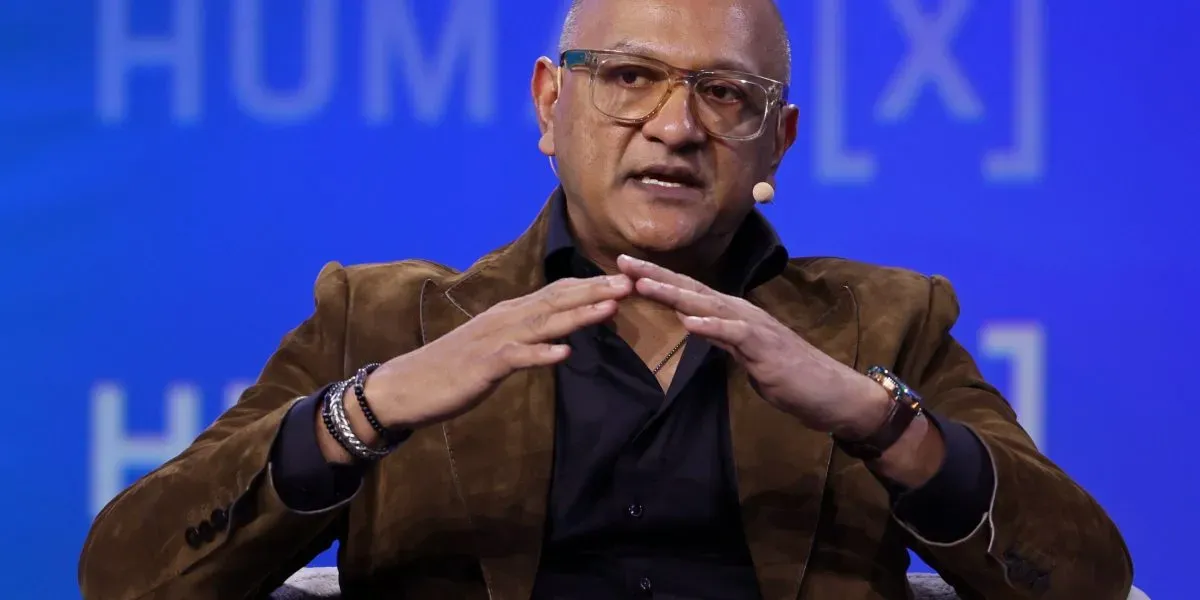
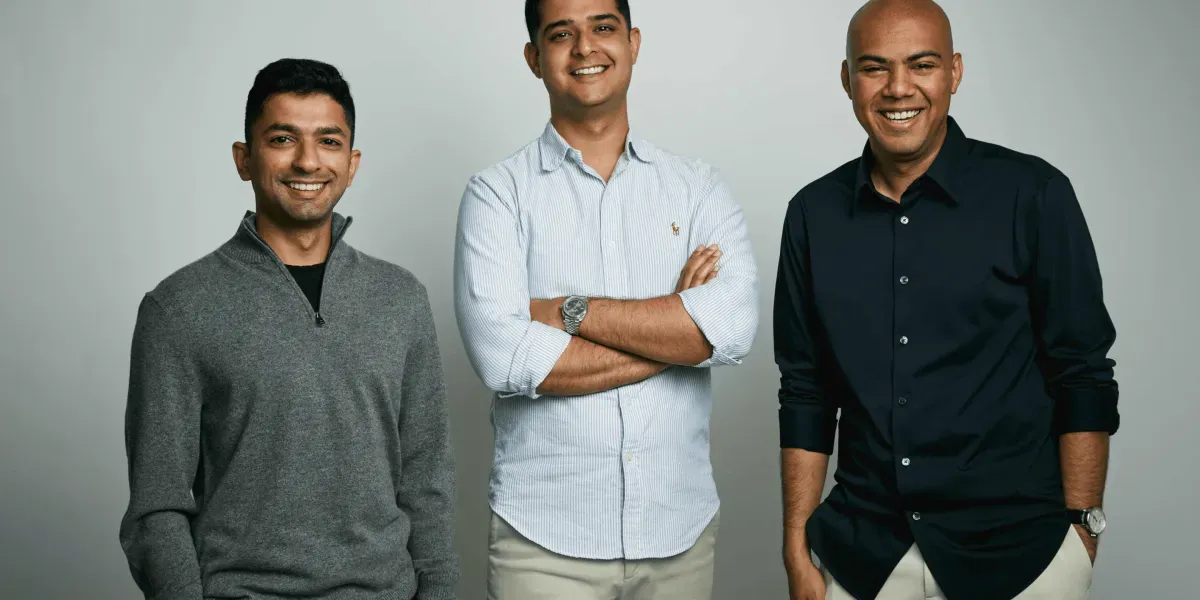
Cisco's president and chief product officer Jeetu Patel has made a bold move by handing over one of the company's biggest jobs to a 27-year-old employee he discovered buried in the organization.
Patel claims that this young professional, Padmanabhan Krishnamurthy or "Paddy" as he affectionately calls him, was not utilizing his skills effectively and was doing something unstrategic in his role. Patel made this discovery when he visited Cisco's San Francisco office and had a conversation with Krishnamurthy.
Krishnamurthy joined Cisco in 2025 after the company acquired EzDubs, the real-time translation startup he co-founded in 2023. Despite being a former founder with CEO experience, he was relegated to an unstrategic role within the organization.
Patel has given Krishnamurthy unlimited resources and support to tackle the project, which involves rewriting Cisco's legacy code with a team of just two people. This is a departure from the conventional approach, as even the most AI-forward individuals on Patel's own team were not thinking along these lines.
The ambitious goal set by Patel is to refactor 98% of Cisco's legacy code within 24 months. Krishnamurthy has four weeks to prove that this can be done.
Krishnamurthy's plan is to inject fresh ideas into Cisco by bringing in young hires who can challenge the existing system.
These newcomers will be tasked with identifying areas where the company can improve and implementing changes that might not have occurred to more seasoned staff members.
Patel acknowledges that integrating new employees with decades of experience under their belt can be a challenge, but he believes it's essential for driving innovation.
Seasoned staff members may come up with innovative ideas, but they often lack the perspective to ask the unconventional questions that young hires can bring to the table.
To facilitate this process, Patel aims to create an environment where tension between old and new employees is encouraged, as long as it leads to constructive friction.
To encourage a culture of innovation at Cisco, the company's leadership is actively seeking out fresh perspectives from younger employees. This approach was evident in Patel's interactions with students from Stanford, where he engages in talks to identify potential talent.
During one such conversation, Patel met Baya, an 18-year-old student who stood out for her thoughtful listening skills. Impressed by her demeanor, Patel invited her to email him monthly updates on her learning journey in AI. This was not just a gesture of mentorship but also a test of follow-through.
Baya consistently demonstrated her commitment to learning and growth by sending regular emails, showcasing her ability to apply theoretical knowledge to practical problems. Her dedication caught the attention of Cisco's leadership, who saw potential in bringing her on board as an intern.
As part of her internship, Baya was tasked with tackling a complex challenge that experienced staff had struggled to resolve. By applying her unique perspective and skills, she successfully redesigned the solution, proving herself to be a valuable asset to the team.
Patel's experience with Baya is not an isolated incident, as he continues to seek out young talent who can bring innovative ideas to the table. His approach is in line with that of other forward-thinking leaders, such as Josh Kushner from Thrive Capital, who believes that employees with less than four years of industry experience can be a significant asset to their teams.
The venture capital firm's early success was built on unconventional hiring practices, where the focus was on recruiting young talent rather than industry veterans with established track records.
This approach allowed the firm to identify and invest in innovative startups that would go on to achieve remarkable valuations, including OpenAI, which is currently valued at $1.25 trillion and raising up to $30 billion in funding.
The decision to prioritize youth over experience paid off, as these young recruits brought a fresh perspective and a willingness to take risks that their older counterparts might not have been willing or able to take.
Alon Chen, founder and CEO of Tastewise, has also adopted this strategy, actively seeking out entry-level candidates with no prior industry experience.
Chen believes that younger employees are more likely to think outside the box and come up with innovative ideas because they lack the preconceptions and limitations that can come with years of experience.
The Cisco chief's strategy to stay ahead in the tech industry involves finding and nurturing young talent from prestigious institutions like MIT and Stanford.
This approach is based on the idea that younger innovators are more likely to think outside the box and come up with groundbreaking ideas without being held back by preconceptions or years of experience. The company is now upgrading 98% of its code, a significant undertaking that requires innovative thinking and expertise.
The company's leadership believes in creating a diverse team with a range of experiences and perspectives, including those from experienced operators, systems thinkers, and AI-native entrepreneurs. This blend of skills enables the company to stay ahead of the curve and drive innovation.
Facts based on reporting originally published by Fortune.
You may republish this story, in full or in part, if you credit News Central Site and link to it (licence CC BY 4.0). Photos are not included.