Busan Offers Vibrant Culture and Scenic Coastline Beyond Seoul
The city of Busan in South Korea is often overlooked by tourists flocking to the capital city of Seoul, but it has a rich history, vibrant culture, and stunning coastline.
As a native South Korean who moved to the US at the age of 5, I've had the privilege of visiting my homeland almost every year since.
When people ask for travel recommendations in South Korea, they often have Seoul in mind. It's easy to see why tourists flock to the capital city: it offers a rich blend of culture, technology, entertainment, and world-class cuisine, making it a magnet for visitors from around the globe.
However, I firmly believe that there's more to South Korea than its bustling capital. Many of the country's lesser-known cities are just as vibrant and worth exploring, if not more so. These hidden gems contribute significantly to the nation's unique heartbeat and offer an authentic taste of Korean culture.
One such city is Busan, located a mere four hours south of Seoul. Growing up, my family would often visit Busan during the summer months to soak up the sun, swim in its beautiful beaches, and indulge in fresh seafood that's hard to find anywhere else.
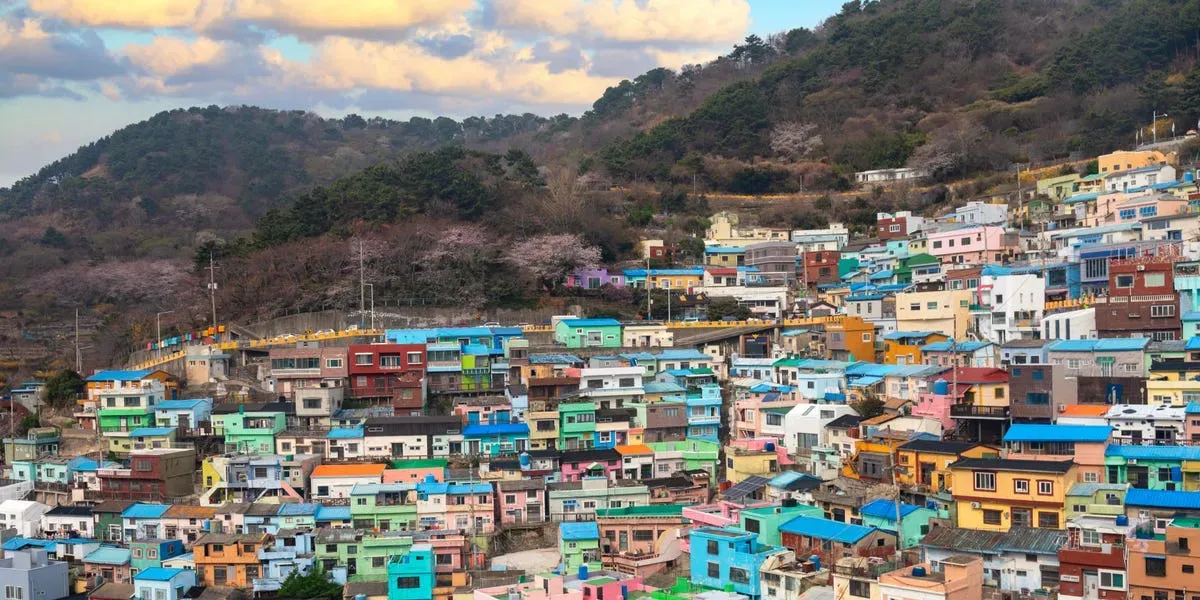
The scenic coastline of Busan is dotted with several villages, one of which stands out for its vibrant charm - Gamcheon Village. This picturesque area has a rich history, dating back to the Korean War when refugees first settled here.
Over time, Gamcheon underwent a remarkable transformation. The village was restored and enhanced with a bold touch of color, as brightly painted exteriors were added to attract tourists. Today, it's a beloved landmark in Busan, where visitors can get lost in its winding alleyways and take in the breathtaking views overlooking the rolling hills.
Another must-see spot in Busan is Haeundae Beach, which offers an unforgettable experience for those willing to wake up early. Watching the sunrise over this stunning beach is a truly rejuvenating experience, capable of washing away even the darkest of moods. The serene atmosphere and picturesque scenery make it an ideal way to start the day.
The bustling Jagalchi Market and Nampo-dong Food Alley are also not to be missed when in Busan. These two popular destinations offer an array of fresh seafood at Jagalchi, while Nampo-dong is renowned for its mouth-watering street food.
Suwon's historic fortress offers a unique perspective on the city, thanks in part to its low-rise architecture. Without towering skyscrapers, walking along the fortress walls provides an unobstructed view of the surrounding landscape, which is characterized by a mix of traditional homes, quaint cottages, and industrial buildings.
The city has also preserved many charming cafes that line the path of the historic site. These unassuming establishments serve up delicious coffee drinks and desserts in a tranquil atmosphere, perfect for taking a break from exploring the area. Visitors can sit outside and lose themselves in the beautiful street art that adorns the alleyways of Suwon.
Gyeongju's rich history is evident throughout its landscape, which features numerous landmarks that showcase Korea's royal past and Buddhist origins. The city boasts impressive structures like the grand Bulguksa Temple and the mystical Seokguram Grotto, as well as ancient royal tombs scattered throughout Tumuli Park.
A stroll through Gyeongju in the later hours of the day is a serene experience, with peaceful ponds and lantern-lit walkways creating a tranquil atmosphere. No visit to Gyeongju would be complete without trying Hwangnam-ppang, a local specialty that consists of a small soft pastry filled with sweet red-bean filling. Locals affectionately refer to this treat as "Gyeongju bread".
Incheon is a city that immediately comes into view for anyone arriving in South Korea by air, thanks to its reputation as home to the country's largest international airport.
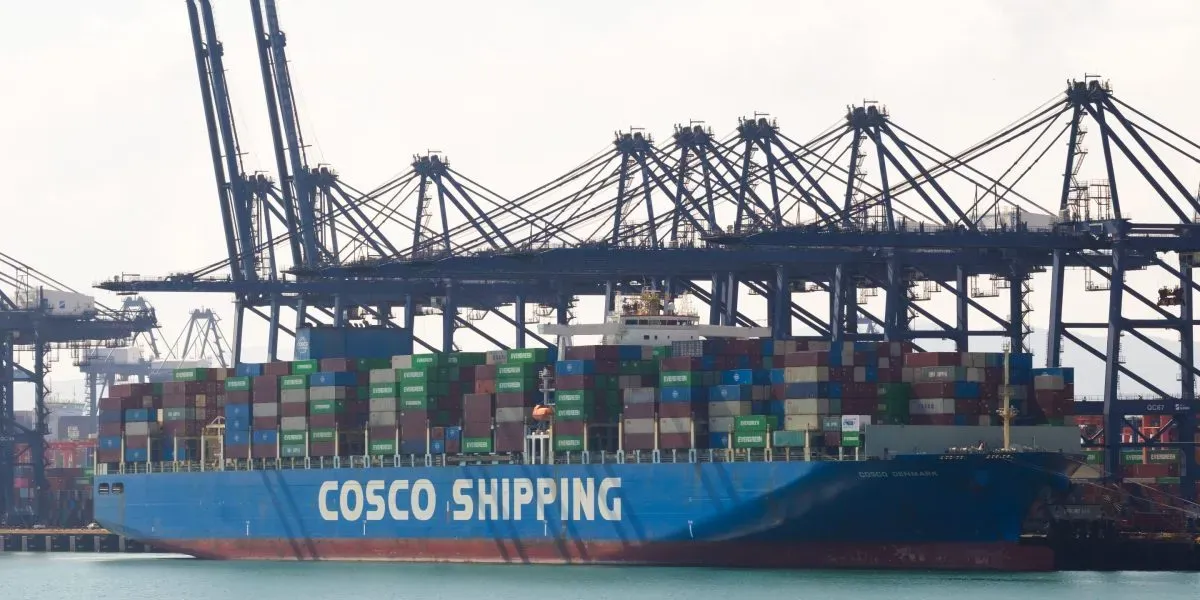
The airport itself has been operational since 2001, but Incheon has a rich history dating back long before this modern infrastructure was established. The port of Incheon played a significant role in the city's development, serving as a gateway for goods arriving from China and facilitating trade between the two nations.
In addition to its historical significance, Incheon is also famous for its Chinatown, where the influences of Chinese cuisine can be seen in the local restaurants. Visitors can explore the neighborhood by wandering through its streets and alleyways while sampling street food along the way.
A stroll through Incheon's Chinatown is a great opportunity to indulge in some of the city's unique flavors, including giant fried dumplings and tanghulu, skewers of sugar-coated fruit that are both sweet and refreshing.
Facts based on reporting originally published by Business Insider.
You may republish this story, in full or in part, if you credit News Central Site and link to it (licence CC BY 4.0). Photos are not included.