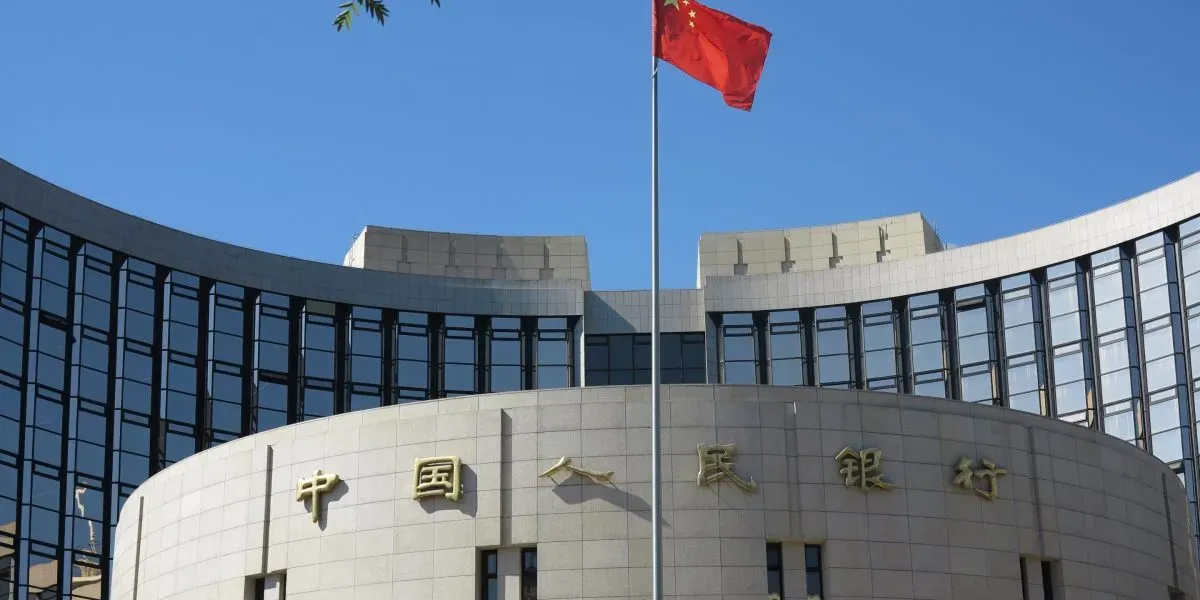
China's Economy Expands 4.5% Year-Over-Year from July to September
The latest official data shows China's economy accelerated from the previous quarter's 4.3% growth rate, marking the fastest expansion in over three years.
China's economy showed a surprising resilience last quarter, expanding 4.5% year-over-year from July to September. This growth is largely attributed to a surge in exports, which has lifted the country closer to achieving its annual growth target.
The latest official data reveals that China's economy accelerated from the previous quarter's 4.3% growth rate, marking the fastest expansion in over three years. Beijing had set an ambitious goal for 2026 economic growth of 4.5-5%, which is a slight decrease from last year's 5% expansion.
The International Monetary Fund has recently revised its forecast for China's 2026 economic growth to 4.5%, aligning with the lower end of the government's target. This adjustment reflects the country's growing reliance on exports and the need for sustained economic momentum.
China's export boom, however, is raising concerns that it may be a drag on global growth. According to Max Zenglein, Asia Pacific senior economist at The Conference Board, the headline official growth figure no longer accurately represents the broader economy.
The widening disparities across industries, regions, and households are masking the true state of China's economy. Domestic demand has weakened due to the prolonged downturn in the property market, which has severely impacted household wealth and driven up savings.
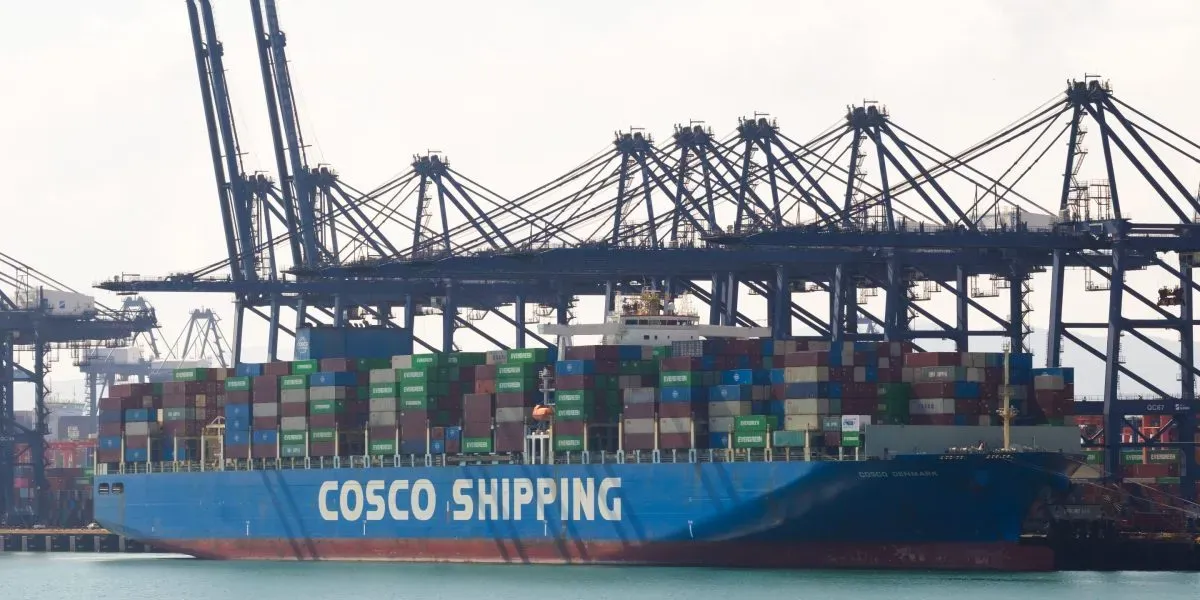
China's export growth has been a key driver of its economy in recent months, with exports increasing by 36% last month compared to the same period last year. This upward trend is expected to continue, potentially leading to a record-breaking trade surplus for China globally.
The country's strong export performance can be attributed in part to its increased focus on high-tech sectors such as semiconductors and autos, including hybrid and electric vehicles. Additionally, China has expanded its manufacturing capacities in industries like solar and EVs, with the government providing significant subsidies to support these efforts.
However, the rapid scaling up of domestic production in these industries has been accompanied by a decline in domestic consumption due to the prolonged downturn in the property market. As a result, many of the goods produced domestically are being shipped overseas at competitive prices, further fueling China's export growth.
Despite this export boom, concerns have been raised about its potential impact on global economic growth. Some experts argue that an export-reliant growth model can lead to limited job creation and broad income gains, particularly in industries where artificial intelligence-driven labor displacements are becoming increasingly prevalent.
The surge of lower-cost Chinese manufactured imports has also raised fears among China's trade partners, who worry about the potential for their domestic industries and economies to be threatened by these imports.
China's reliance on foreign demand to drive its own economic growth is becoming increasingly unsustainable, according to experts.
The country's persistent trade surpluses have created concerns that it may be hindering global economic progress rather than contributing to it. This has sparked calls from major trading partners like the European Union to rebalance their trade relationships with China and reduce the significant trade deficits they are experiencing.
The EU is particularly concerned about its massive trade imbalance with China, which amounts to over $1.1 billion per day. Chinese exports to the EU have been on the rise this year, increasing by 16% in the first nine months of the year alone.
In a bid to address these issues, the EU has recently reached an agreement with China to significantly reduce the number of Chinese hybrid vehicle imports over the next few years. This deal is seen as a step towards reducing trade tensions and rebalancing the relationship between the two economic powers.
China's economic growth may have reached 4.5% in the last quarter, but its export boom is raising concerns about its impact on global trade. Economists warn that China's large trade surplus could be a drag on world growth.
The undervalued yuan has been cited as one of the contributing factors to China's growing trade surplus. This has sparked debate among policymakers, with some arguing that an artificially low currency gives Chinese exports an unfair advantage in international markets. However, China's central bank has dismissed these claims, insisting that the yuan is valued fairly.
Despite agreements made between China and other major economies, trade tensions are unlikely to dissipate quickly. The pressure on countries to protect their industries and jobs will persist, leading to continued resistance and rising protectionism.
Facts based on reporting originally published by Fortune.
You may republish this story, in full or in part, if you credit News Central Site and link to it (licence CC BY 4.0). Photos are not included.