Autonomous Weapons Ban Likely to Be Blocked at UN Conference
Critics argue that such weapons pose unacceptable risks to civilians and cloud accountability in times of conflict, as the US, China, and Russia are poised to block a proposed global ban.
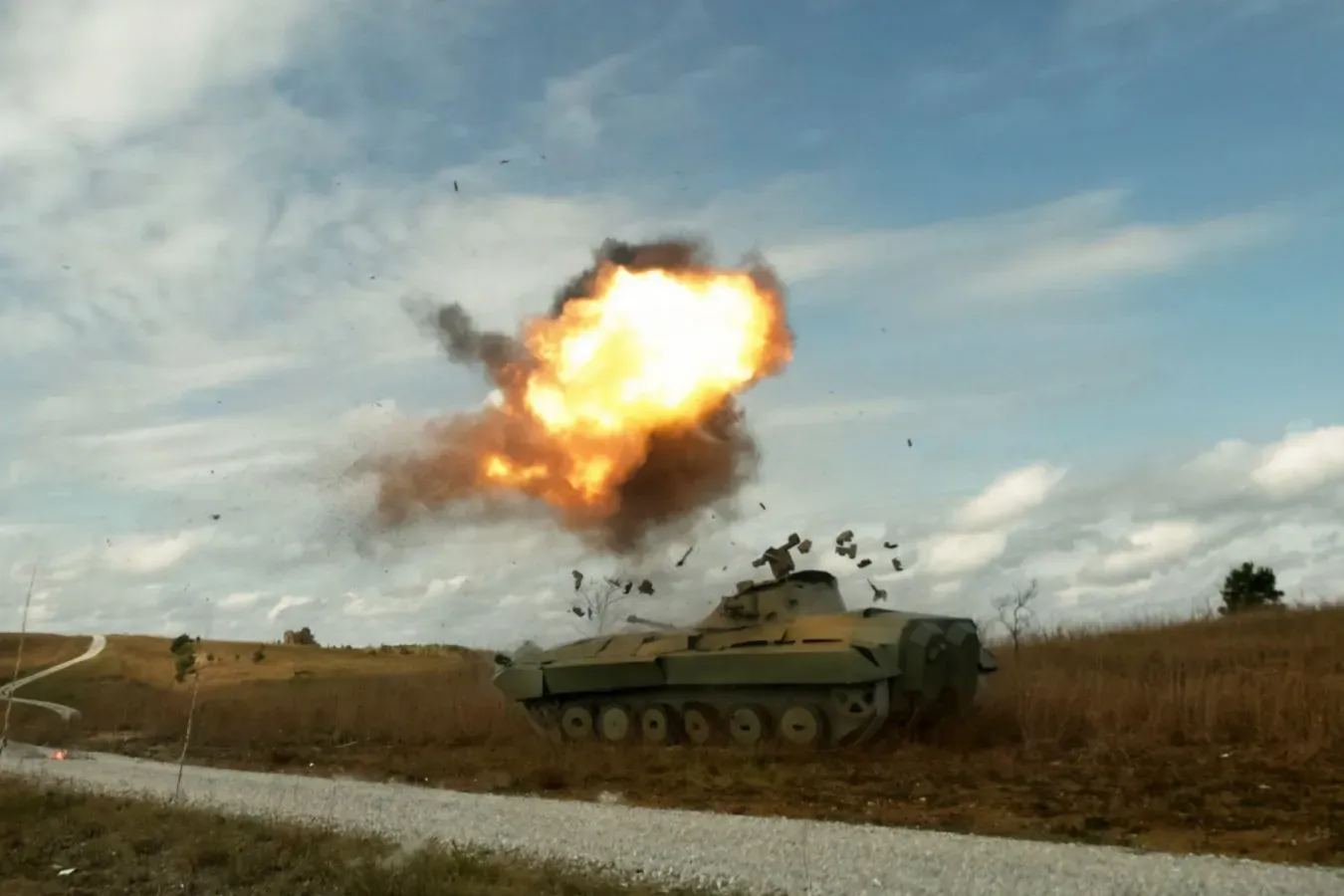
The US, China, and Russia are poised to block a proposed global ban on autonomous weapons at an upcoming United Nations conference in Geneva. The move is likely to thwart efforts to regulate the use of these increasingly prevalent technologies. Critics argue that such weapons pose unacceptable risks to civilians and cloud accountability in times of conflict.
These concerns have been voiced for over a decade as states debated adding autonomous weapons to the Convention on Certain Conventional Weapons (CCW). This treaty, signed by 128 nations, aims to regulate excessively harmful or indiscriminate arms. Existing protocols within the CCW ban certain types of weaponry deemed too destructive, including incendiary devices and lasers designed to blind soldiers.
The seventh Review Conference is scheduled to take place in Geneva this week, where member states will discuss potential changes to the treaty. However, progress has been slow, with efforts to secure commitments from parties looking set to falter. The gathering marks a critical juncture in the debate over autonomous weapons and their place within international law.
The Convention on Certain Conventional Weapons was established to govern excessively destructive or indiscriminate arms. It currently includes five protocols that ban specific types of weaponry deemed too harmful, including incendiary devices and certain lasers. Despite these efforts, autonomous technologies continue to be developed and deployed in modern conflict zones.
The use of artificial intelligence in military operations is widespread, helping militaries sift through vast amounts of intelligence data to identify targets and automate certain functions of weapons.
However, on at least one occasion, fully autonomous drones have been used without human oversight to kill enemy soldiers, raising concerns about the role of machines in warfare.
A test in Ukraine two years ago resulted in the deaths of two people, according to a senior figure in the Ukrainian defence industry.
The use of autonomous technologies in conflict zones is a worrying trend for campaigners who believe that machines should not be making life and death decisions.
A proposed ban or restrictions on autonomous weapons may be derailed by opposition from major powers at an international meeting. The US, Russia, and China are likely to block efforts to regulate these types of arms, along with other countries like the UK, Japan, and South Korea.
Minor's warning suggests that a significant shift in momentum is underway as the week progresses. Larger states are exerting pressure on smaller nations, which may lead to watering down of the proposed text from Peru. This could result in continued unregulated use of autonomous weapons by these powerful countries.
Discussions at the meeting will likely continue late into the night on November 20th, with no public access allowed. An announcement is expected the following day, but it remains unclear what concessions or compromises may have been made to secure support from key nations.
The development of autonomous weapons has raised concerns about their potential impact on civilians and the conduct of armed conflict. According to experts, these systems already fall under existing laws governing armed conflict, which require operators to avoid excessive collateral damage and spare civilians whenever possible.
However, despite these rules, autonomous weapons are not explicitly banned by current laws, leaving a gap in regulation that supporters of a ban aim to fill. Critics argue that such restrictions would hinder the development of defensive systems, like those used to protect warships from incoming missiles, which can react faster than human operators.
The main obstacle to a ban on autonomous weapons lies in the differing strategic priorities of major powers. The US, Russia, and China are among those developing these systems, and they do not want an agreement that would give their rivals an advantage on the battlefield.
These nations' reluctance to compromise has stalled negotiations over a potential ban, leaving the international community with limited options for addressing the issue.
The reluctance of major nations to compromise has brought international talks on banning autonomous weapons to a standstill. This impasse leaves the global community struggling to find a way forward in addressing the issue. A comprehensive ban would require all countries to adhere to it uniformly.
A key concern is that states need to agree on the scope and parameters of the ban, as well as establish mechanisms for monitoring compliance. That would require them to close loopholes and come up with a reliable system for checking adherence, explains Sari. This agreement is crucial to ensure that countries are held accountable for their actions.
With some nations already employing these advanced technologies, experts warn that time is running out. We're not too late to establish rules, says Minor, but he emphasizes the need for swift action. If a solution is not found soon, the international community may be forced to consider alternative approaches, such as taking the issue directly to the UN General Assembly.
Facts based on reporting originally published by New Scientist.
You may republish this story, in full or in part, if you credit News Central Site and link to it (licence CC BY 4.0). Photos are not included.