50 Best Restaurants Awards Ceremony Held in Lima
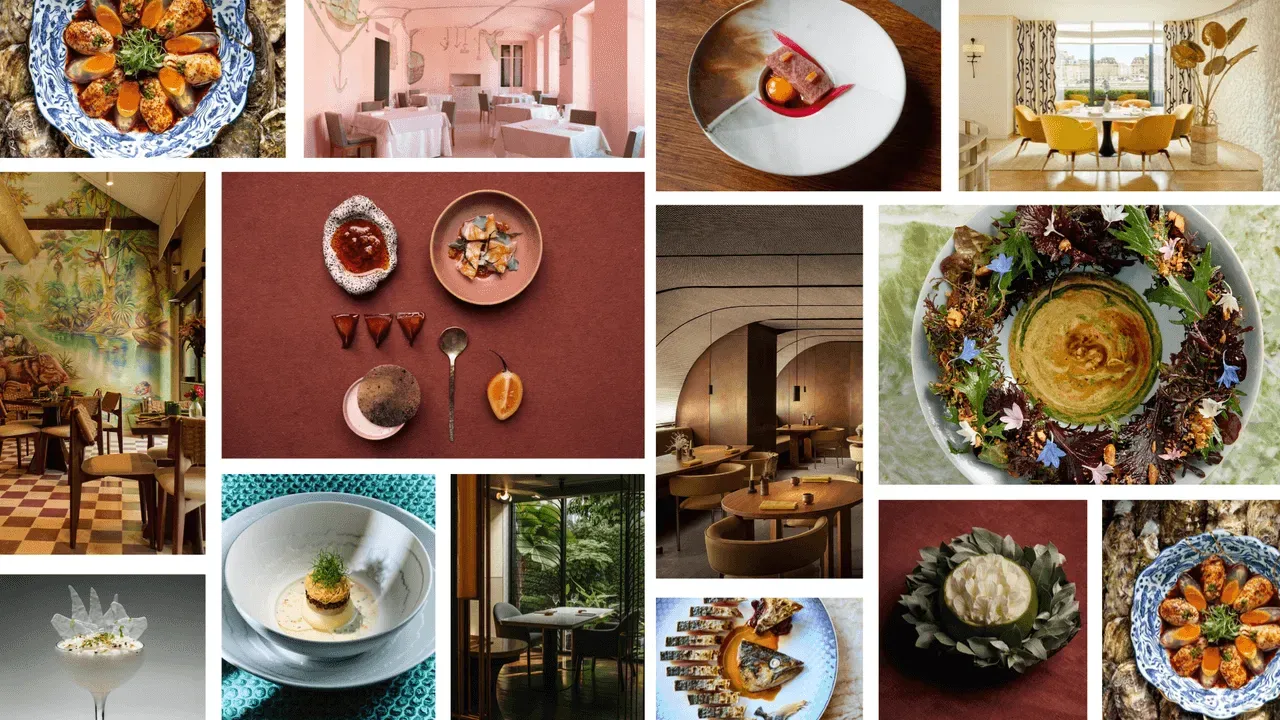
Global culinary leaders gathered in Lima, Peru on November 4 to celebrate the best restaurants worldwide at the prestigious 50 Best Restaurants awards ceremony.
Global culinary leaders gathered in Lima, Peru on November 4 to celebrate the best restaurants worldwide at the prestigious 50 Best Restaurants awards ceremony.
The event drew top chefs from around the globe to the vibrant city, which was abuzz with excitement as industry experts shared their anonymous nominations for the world's top dining spots.
Restaurant Asador Etxebarri in Spain's Basque Country took home the top honor of World's Best Restaurant 2026 at the ceremony held at Lima's ornate Teatro Municipal.
The event marked a week-long celebration of Lima's culinary scene, with many of its top restaurants showcasing their unique offerings to visitors from around the world.
During this time, we had the opportunity to speak with leading chefs about emerging trends in the industry and their predictions for 2027.
As part of our exploration of the latest dining trends, we spoke with Chef-owner Pía León of Kjolle in Lima, who won the number seven spot at this year's awards.
Chef Josh Niland of Sydney's Saint Peter believes that restaurants will be expected to provide detailed information about the origin of their ingredients within the next decade.
Niland, who co-founded the restaurant with his wife Julie, emphasizes the importance of transparency in menu labeling. He argues that customers have a right to know where their food comes from and why they are paying premium prices for it.
According to Niland, this trend is already underway, with Saint Peter offering QR codes on its menu that allow diners to scan and watch videos about the source of their ingredients. While he acknowledges that this may be a drastic leap, he believes that it's essential for high-end dining establishments to provide this level of transparency.
As part of the shift towards greater transparency in food sourcing, menus are likely to change more frequently to reflect seasonal and local produce. This approach is being adopted by top chefs around the world, including those at New Nordic gem Kadeau in Copenhagen.
Kadeau's head chef and co-owner Nicolai Nørregaard draws on both fresh, seasonal ingredients and preserved foods from previous seasons to create innovative dishes. The restaurant has seen significant success this year, jumping from number 41 in 2025 to its current placement at number eight on the World's 50 Best list.
Nørregaard's approach is not only a reflection of his commitment to using local and seasonal ingredients but also a response to the changing climate. As the world becomes increasingly aware of the impact of food production on the environment, chefs like Nørregaard are prioritizing sustainability in their menus.
Climate change is altering the way chefs approach their menus, and Nørregaard's team at Kadeau is no exception. The Danish restaurant relies on produce from its garden on Bornholm and foraged ingredients nearby, but changing weather patterns are forcing them to adapt.
To mitigate these effects, the team adds nutrients and water to the soil during the growing season, essentially giving Mother Nature a helping hand to ensure a better product. This approach allows them to harvest ingredients at optimal times, minimizing waste and ensuring quality.
During preservation season, which typically falls in colder months, Kadeau showcases products like preserved onions that were stored since spring and summer. However, even this process is being impacted by climate change, with some years producing more or fewer pine cones than others.
The unpredictable nature of weather patterns means that chefs must think ahead and plan menus well in advance. Around the globe, restaurants are adopting more nimble approaches to account for increasingly erratic weather conditions.
Restaurants are redefining what luxury means in fine dining by stripping away excess and focusing on simplicity.
This shift towards minimalism is evident in menus that no longer feel like a showcase of abundance, but rather a carefully curated selection of dishes.
The trend is not just about reducing the number of ingredients used, but also about creating an experience that is refined yet unpretentious.
For some chefs, this means moving away from elaborate tasting menus and towards more intimate, personalized dining experiences.
This approach to fine dining is gaining traction globally, with restaurants adopting a more subtle and understated approach.
The trend towards more approachable fine dining continues to gain momentum globally, with restaurants shifting away from traditional formalities in favor of a more relaxed atmosphere.
At Odette in Singapore, Chef de Cuisine Sheng Xiong has expressed his preference for a service style that is less stuffy and more welcoming. In fact, he jokingly declined to comment on the trend towards more casual fine dining when asked by Condé Nast Traveler.
However, once the laughter subsided, Sheng Xiong revealed that he believes the traditional white-glove service model may soon become a thing of the past. Instead, restaurants like Odette are adopting a more personalized approach to hospitality, treating guests as if they were part of the family.
This emphasis on creating a sense of home and community is driving a shift in the way restaurants interact with their patrons. Gone are the days of rigid formalities; today's fine dining establishments are opting for a more flexible and adaptable service style that puts the guest at ease.
Meanwhile, Chef Niko Romito of Reale in Italy has observed a significant change in the way travelers experience his restaurant. Located within a 16th-century monastery in a remote medieval town, Reale is often visited by tourists who have been on food tours of Italy and are looking for a memorable final meal before departing.
The location of Reale can make it challenging for diners to fully appreciate the culinary experience, especially if they have had a string of exceptional meals prior to arriving. However, Niko Romito has noticed that this is changing, with more travelers seeking out unique dining experiences like Reale's as part of their journey rather than just as a final destination.
Reale's remote location has also allowed Chef Romito and his sister Cristiana to create an immersive experience for guests, who are able to explore the historic monastery while enjoying their meal. This blend of history, culture, and cuisine is drawing in travelers looking for more than just a great meal.
The trend of rural destinations gaining popularity as top culinary spots is becoming increasingly evident. Many restaurants featured in this year's list are located in remote areas, yet they offer experiences that rival those found in major cities. For instance, Asador Etxebarri, the number one restaurant and Best Restaurant in Europe, is nestled in Atxondo, a village of less than 1,500 inhabitants in Spain's Basque Country.
This year's list also highlights the rise of rurally set tasting menus as a sought-after experience. Diners are willing to travel long distances for unique culinary experiences that often come with breathtaking scenery and immersive cultural encounters. Vyn, ranked number 23, is situated in a pastoral fishing village in southern Sweden, while Naar, at number 50, offers open-flame-cooked dishes deep within the Himalayas.
Restaurants like Asador Etxebarri, Vyn, and Naar are redefining the traditional notion of fine dining. They demonstrate that exceptional cuisine can be found beyond the confines of bustling metropolitan areas. By embracing their rural settings, these establishments have created a niche that is attracting an increasing number of food enthusiasts.
As the popularity of rural culinary destinations continues to grow, it's likely that even more hidden gems will emerge from remote locations. With food tourism on the rise, travelers are seeking authentic experiences that combine culture, history, and cuisine in unique and unforgettable ways.
Facts based on reporting originally published by Conde Nast Traveler.
You may republish this story, in full or in part, if you credit News Central Site and link to it (licence CC BY 4.0). Photos are not included.