Yung Pueblo Releases New Book on Inner Peace
Best-selling author Yung Pueblo is set to release his latest book, Journey: The Year That Changes Everything, a 365-day guide to finding inner peace.
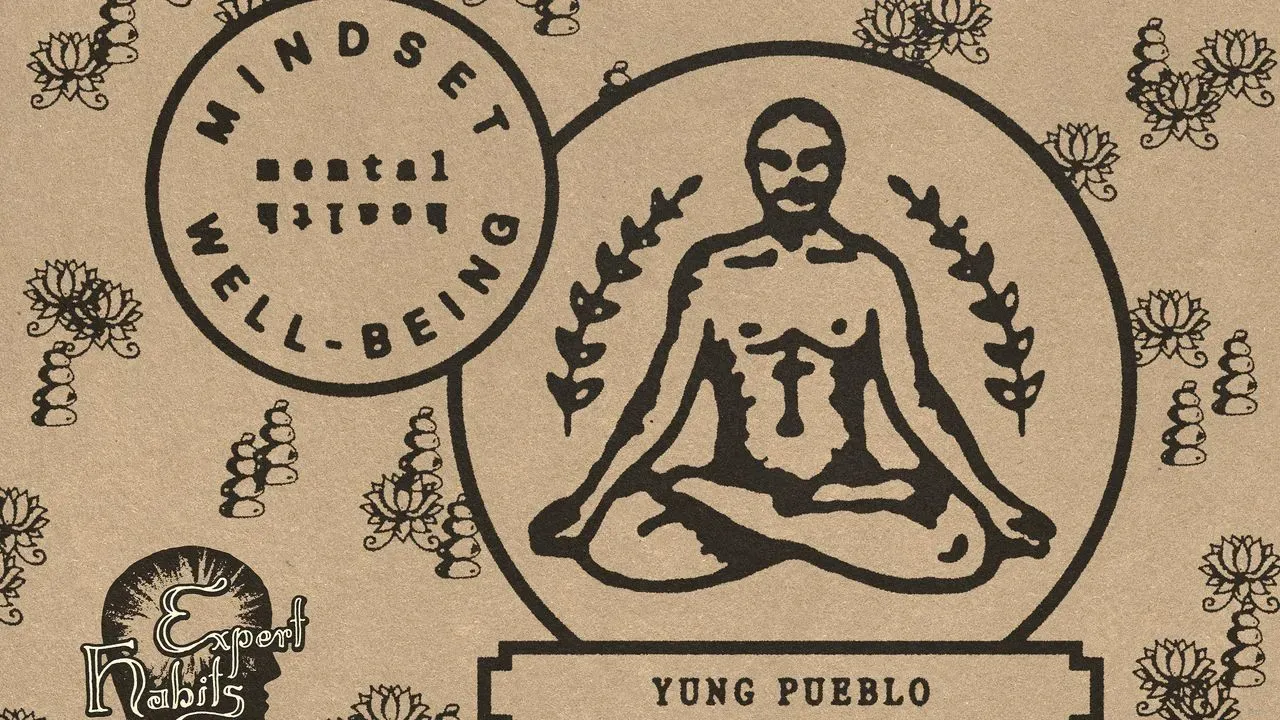
Best-selling author Yung Pueblo is set to release his latest book, Journey: The Year That Changes Everything, a 365-day guide to finding inner peace. This new publication follows on from his previous works, including Inward, Clarity & Connection, and The Way Forward.
Pueblo's digital presence has grown exponentially since he first started posting on Instagram in 2013, with a current following of over five million people. His online influence extends beyond social media to published works of poetry and prose.
His real name is Diego Perez, and despite the demands of his writing career and extensive meditation practice, which totals over 13,000 hours to date, he still enjoys watching reality TV shows like Love Island UK.
Pueblo defines inner peace as having a good relationship with one's emotions, rather than achieving a final destination. According to him, it is about recognizing negative feelings without allowing them to control one's life.
The concept of impermanence is a crucial aspect of Yung Pueblo's teachings, as it acknowledges that everything in life is transient and ephemeral. This understanding is essential for cultivating inner peace, as it allows individuals to let go of attachments and fears related to change.
According to Yung Pueblo, our universe is founded on constant flux at every level of existence - from the atomic to the cosmological. This means that impermanence is not just a human experience, but a fundamental aspect of reality itself. By accepting this truth, we can transform our relationship with impermanence and become more present in our lives.
Yung Pueblo emphasizes that change is what allows us to have experiences and interactions in the first place. If the universe were static, we wouldn't be having conversations or enjoying relationships. This perspective encourages individuals to approach change with a sense of curiosity and openness, rather than fear and resistance.
This mindset shift can help people appreciate the fleeting nature of life's moments and connections, whether they're with friends, family members, or even their loved ones. By acknowledging that others are not permanent fixtures in our lives, we can cultivate gratitude for the time we have together and cherish every moment.
When we're with loved ones, it's essential to be present in the moment, knowing that change is inevitable. This mindset allows us to truly appreciate the beauty of life and savor every experience.
Being able to flow with change reduces stress and anxiety, making it easier to navigate life's ups and downs. By embracing change, we can cultivate a sense of inner peace and calmness.
Impulsiveness often stems from our tendency to react quickly without thinking through the consequences. To overcome this, we need to train ourselves to slow down and ask if our reactions are truly useful. This self-reflection allows us to make more intentional choices.
By slowing down and becoming more mindful, we can break free from impulsive behaviors and choose a different path. This newfound awareness enables us to act with greater intentionality and live more authentically.
Slowing down and being intentional can lead to better outcomes in life. This principle is not just applicable to meditation or therapy; it's also a skill that can be learned through practice. By acknowledging impulsiveness and challenging oneself to act more mindfully, one can develop greater self-awareness.
When faced with situations where others want us to react emotionally, we have the choice to pause and reflect before responding. This approach allows us to consider our true feelings and offer support or guidance that is genuinely helpful. It also enables us to avoid regretful actions that might arise from acting on impulse.
In everyday interactions, being mindful of one's emotions can help prevent unnecessary conflicts or misunderstandings. By taking a moment to check in with oneself before reacting, we can choose to respond in ways that promote understanding and empathy. This skill is not limited to specific situations but can be applied broadly in personal relationships.
This newfound awareness of our emotional responses allows us to navigate complex social interactions more effectively.
When we're around others who are experiencing turmoil or stress, it's easy to get caught up in their emotions. However, by being aware of this dynamic, we can maintain our own emotional equilibrium while still offering support.
This newfound awareness of our emotional responses allows us to navigate complex social interactions more effectively. By recognizing the potential for energy transfer between individuals, we can take steps to protect our own peace and offer a sense of calm to those around us.
When faced with a low mood or feelings of exhaustion, it's essential to be kind to ourselves rather than engaging in self-criticism. Negative self-talk is unproductive and can make it even harder to feel better.
Practicing gratitude is essential for maintaining mental balance, especially during life's challenging moments. This perspective shift allows individuals to acknowledge the simple things they often take for granted, such as access to clean water and food.
Walking has become a new habit for Yung Pueblo, who credits it with bringing clarity and creativity. Regular walks can help clear one's mind and provide a fresh outlook on life.
Facts based on reporting originally published by GQ.
You may republish this story, in full or in part, if you credit News Central Site and link to it (licence CC BY 4.0). Photos are not included.