Yemen's Taiz City Struggles with Severe Water Crisis Due to Siege
A severe water crisis is gripping Taiz, Yemen's third-largest city, where over a million residents are struggling to access clean drinking water.
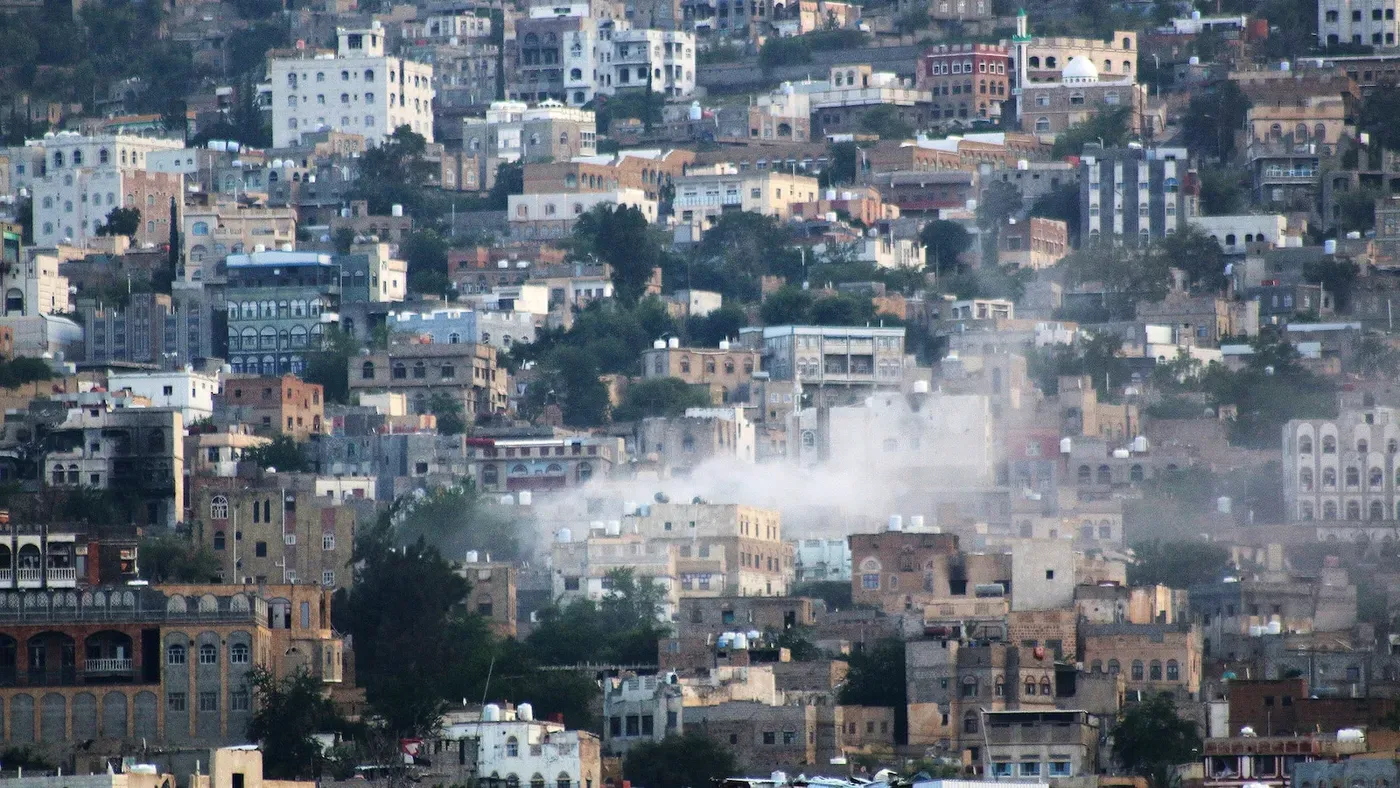
A severe water crisis has gripped Taiz, Yemen's third-largest city, where over a million residents are struggling to access clean drinking water due to a prolonged siege by Houthi rebels backed by Iran.
The situation in Taiz is dire, with humanitarian groups warning that the needs of its residents are barely being met. Wells have been rendered inaccessible, desalination plants are running low on fuel, and water delivery trucks are largely unable to enter the city.
Families like Hadil al-Shahid's are rationing every drop of water they can get. Before the siege, her family used around 10 liters (2.6 gallons) per day for drinking and cooking, but now that same amount lasts them only four days.
Rationing has become a necessity, with families cutting back on non-essential items like coffee and tea to make their limited water supply last longer. Al-Shahid's family is paying significantly more for bottled water than just a few weeks ago, and some are even taking out loans to afford it.
The siege of Taiz is having far-reaching consequences beyond the water crisis, with shortages of groceries driving up food prices and fuel scarcity affecting essential services like hospitals and sanitation.
Taiz is on the verge of a severe humanitarian disaster due to its dwindling drinking water supplies, according to Amnesty International's urgent appeal for the Houthis to open roads into the city immediately.
The ongoing conflict in Yemen has been raging since 2014, when the Houthi rebels seized control of much of the country's north, including the capital of Sanaa, forcing the internationally recognized government into exile. Taiz has become a key battleground ever since, with war-related damage exacerbating the city's existing infrastructure issues.
The city's aging water infrastructure was already struggling to meet demand due to rapid population growth and recurring droughts that have drained its groundwater supplies. Residents had turned to truck-borne deliveries as a reliable alternative, but this too has become increasingly unreliable in recent times.
As Houthi forces advanced on Taiz last month, after capturing the port city of Mokha nearby, they cut off residents' access to surrounding wells and disrupted water deliveries from outside the city. This has led to truckers charging triple their usual rates to transport what little water is available into Taiz.
As Taiz's fuel crisis deepens, its already strained water supply is under even greater pressure. The city's desalination plants are operating at a fraction of their capacity due to limited fuel availability, exacerbating the shortage of drinking water for residents.
The influx of displaced people from other parts of Yemen has put an enormous strain on Taiz's resources, including its water supplies. According to estimates by the United Nations' migration experts, nearly 124,000 people have taken refuge in Taiz province since August. This surge in population is pushing Taiz's limited supply of necessities, such as water and food, to breaking point.
Displaced families are struggling to survive on meager rations, with some forced to live in makeshift shelters or tents. They often rely on just one meal a day, making them even more vulnerable to the shortages of fuel for cooking and transportation. The price of cooking gas has skyrocketed, forcing many households to resort to burning wood, charcoal, or cardboard for heat.
The fuel shortages have crippled community kitchens that provided free hot meals to families in need. Waste collection services have also ground to a halt, leaving waste piling up on the streets. This not only perpetuates unsanitary conditions but also raises the risk of waterborne diseases like cholera.
The health risks associated with these shortages are significant, particularly for families forced to tap into unprotected wells due to lack of access to clean drinking water. The risk of contracting waterborne diseases is heightened when households rely on contaminated sources, further exacerbating the already dire situation in Taiz.
The economic strain on residents in Taiz is evident in the skyrocketing prices of basic commodities. Food staples like flour and rice have become unaffordable for many, with aid groups reporting a 50% increase in costs compared to summer levels.
For families struggling to make ends meet, every bit of income counts. Ahmed Abdel Gaber's household, which has swelled to nine members after being displaced from their home, is barely scraping by. He used to earn a steady income hauling construction materials but now his earnings are unpredictable.
The economic hardship is not limited to one family or profession. Al-Shahid, a hair salon owner, has seen her business grind to a halt as customers prioritize their spending on essential items like food and water. Her children's diet has been severely affected, with them now relying mainly on simple carbohydrates like rice, bread, and cheese.
The conflict is also hindering the delivery of supplies to government forces in Taiz city. Despite still maintaining control over the city center, the siege makes it challenging for aid to reach their troops. Government forces are engaged in fierce battles east of the city, trying to repel Houthi advances in the surrounding hills.
Gaining control of Taiz is crucial for the Houthis if they aim to push south toward Aden and Lahj. However, this objective will not be easily achieved, given the stiff resistance from government forces in the area.
The battle for control of Taiz is proving to be a complex and challenging task for Houthi rebels, who face stiff resistance from government forces in the area.
According to Houthi officials, the rebel group has managed to secure around 80% of the countryside surrounding Taiz and several key neighborhoods within the city. However, this objective will not be easily achieved due to the presence of a large civilian population.
The Houthis' fight for control is being hindered by the need to avoid causing harm to civilians, who are often caught in the crossfire. This has resulted in a cat-and-mouse game between the rebels and government forces, with both sides vying for control of key areas.
In recent days, the situation has taken a tragic turn, with missiles fired by the Houthis striking a residential area in Taiz, killing two teenage girls. The incident has renewed concerns about the dangers faced by civilians caught up in the conflict.
The situation in the besieged city is dire, with drinking water supplies dwindling rapidly due to the ongoing conflict between government forces and Houthi rebels. Civilians are struggling to access basic necessities, exacerbating the humanitarian crisis.
Residents like al-Shahid feel trapped, unable to leave their homes even if it means risking their lives. The situation has sparked renewed concerns about the dangers faced by civilians in conflict zones. Yemen's people continue to suffer under the weight of a prolonged and complex war.
Facts based on reporting originally published by ABC News International.
You may republish this story, in full or in part, if you credit News Central Site and link to it (licence CC BY 4.0). Photos are not included.