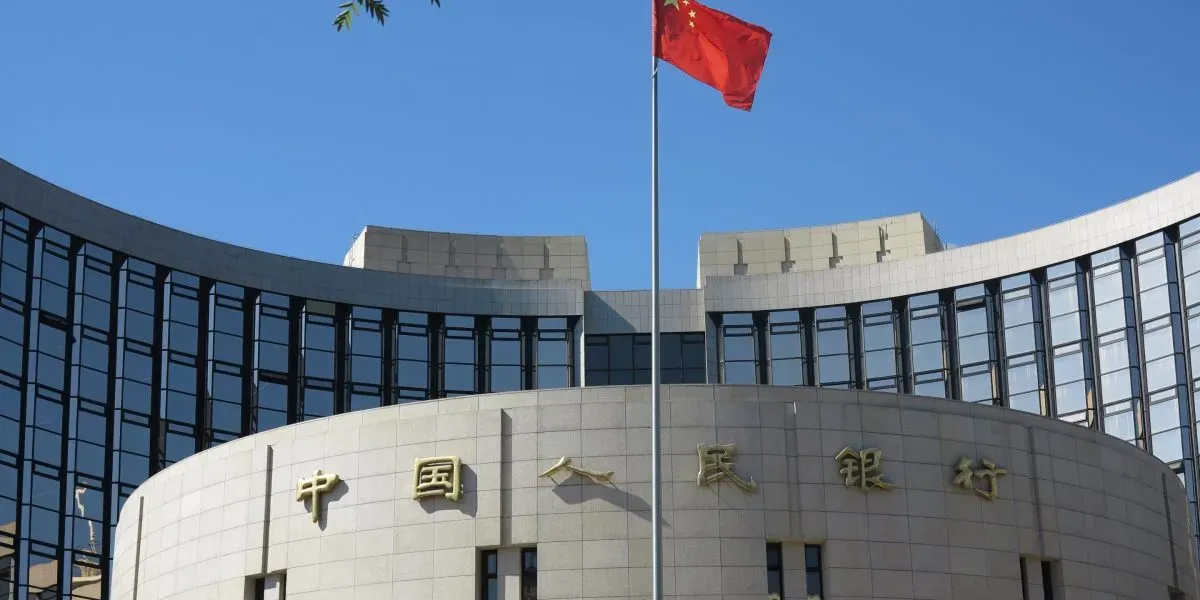
US Naval Blockade on Iran Prevents $25 Billion in Oil Exports
The economic blockade imposed by the US has had a devastating impact on Iran's economy and ability to pay its troops.
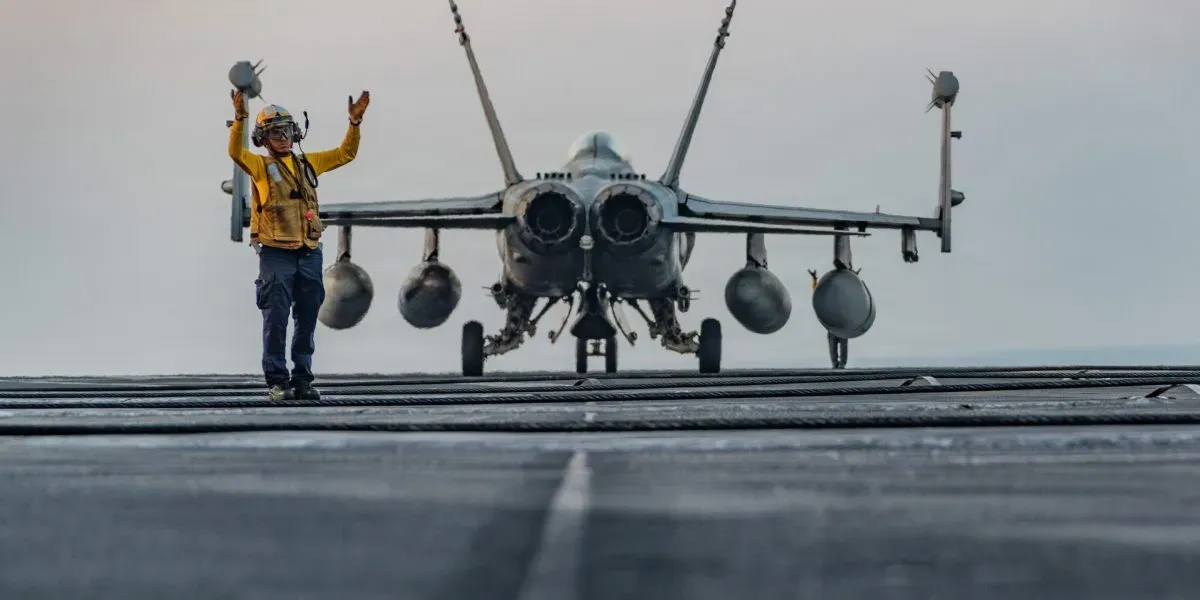
The economic blockade imposed by the US on Iran is having a devastating impact on the country's economy and its ability to pay its troops. According to Adm. Brad Cooper, chief of US Central Command, the naval blockade has prevented Iran from exporting at least $25 billion worth of crude oil.
This significant loss in revenue has had far-reaching consequences for Iran's economy, with reports emerging that the regime is withholding salaries, pensions, and benefits from workers in key sectors such as energy, manufacturing, construction, and security. This includes the Islamic Revolutionary Guard Corps (IRGC), which has been at the forefront of the country's military efforts.
The effects of the blockade have also led to a worrying trend of Iran-aligned militia groups across the region withholding payments to their soldiers. According to Cooper, this is so that they can funnel money back to the IRGC, which itself is struggling to pay its troops due to the financial strain on the regime.
As a result of these economic pressures, the IRGC is showing signs of increasing desperation. This is evident in the resurgence of Iranian attacks on commercial shipping in the Persian Gulf over recent weeks. The situation is becoming increasingly volatile, with tensions running high between Iran and its neighbors.
Despite the flow of oil remaining near prewar levels, the impact of the blockade is clear to see. Neighboring countries are continuing to export their crude under the protection of the US military, further exacerbating the economic strain on Iran's economy.
Iran's economic woes have reached a critical juncture, prompting even its top leaders to express concern about the country's financial situation. Supreme Leader Mojtaba Khamenei has reportedly acknowledged the severity of the crisis, which state media described as one of the most difficult periods Iran has faced.
The Iranian currency is plummeting in value due to dwindling oil revenue, with the trickle of sales from crude that was already at sea prior to the US reimposition of its blockade now running out. This limited income stream, primarily benefiting China, may continue until December, but once exhausted, it will leave the regime without one of its main sources of hard currency.
Oil sales typically account for around a third of Iran's state budget and are also crucial for funding the IRGC, further exacerbating the economic strain on the country. Central Command's update confirms earlier indications that the Iranian regime is struggling with a cash crunch.
Domestic unrest is growing as inflation soars to near 90%, eroding Iranians' salaries and forcing consumers to rely on installment plans to afford basic necessities like groceries. Local media reports have highlighted recent protests by retired government employees, who were denied their full pensions, while public and private sector workers are quitting due to insufficient pay.
Social media has been filled with announcements from workers in various sectors expressing their intention to quit due to inadequate remuneration, further adding to the economic pressure on Iran's economy.
The situation in Iran is dire, with the country's military struggling to receive adequate compensation for its troops. This has significant implications, particularly given the increasing tensions in the Strait of Hormuz and the potential for a fresh US offensive following midterm elections.
In recent weeks, separatist militants have intensified their attacks on Iranian security forces in the southeastern provinces of Sistan and Baluchestan. State media reports indicate that at least eight members of Iran's security personnel have been killed over the past three weeks, including a police officer, a Basij militia fighter, and an IRGC commander.
Iran's security forces are facing significant challenges due to limited resources and increased threats from both within and outside the country. According to Shay Khatiri, a senior fellow at the Yorktown Institute, this lack of resources is exacerbating the situation.
The weakening of the Iranian regime may lead to further fragmentation, with local movements multiplying in number and consolidating their power, as Khatiri warned in his post for the Middle East Forum.
Facts based on reporting originally published by Fortune.
You may republish this story, in full or in part, if you credit News Central Site and link to it (licence CC BY 4.0). Photos are not included.