United Nations climate fund allocates $20 million to Nepal
A United Nations climate fund has allocated $20 million to assist Nepal in recovering from devastating floods that ravaged the country, resulting in thousands of deaths and widespread destruction of infrastructure.
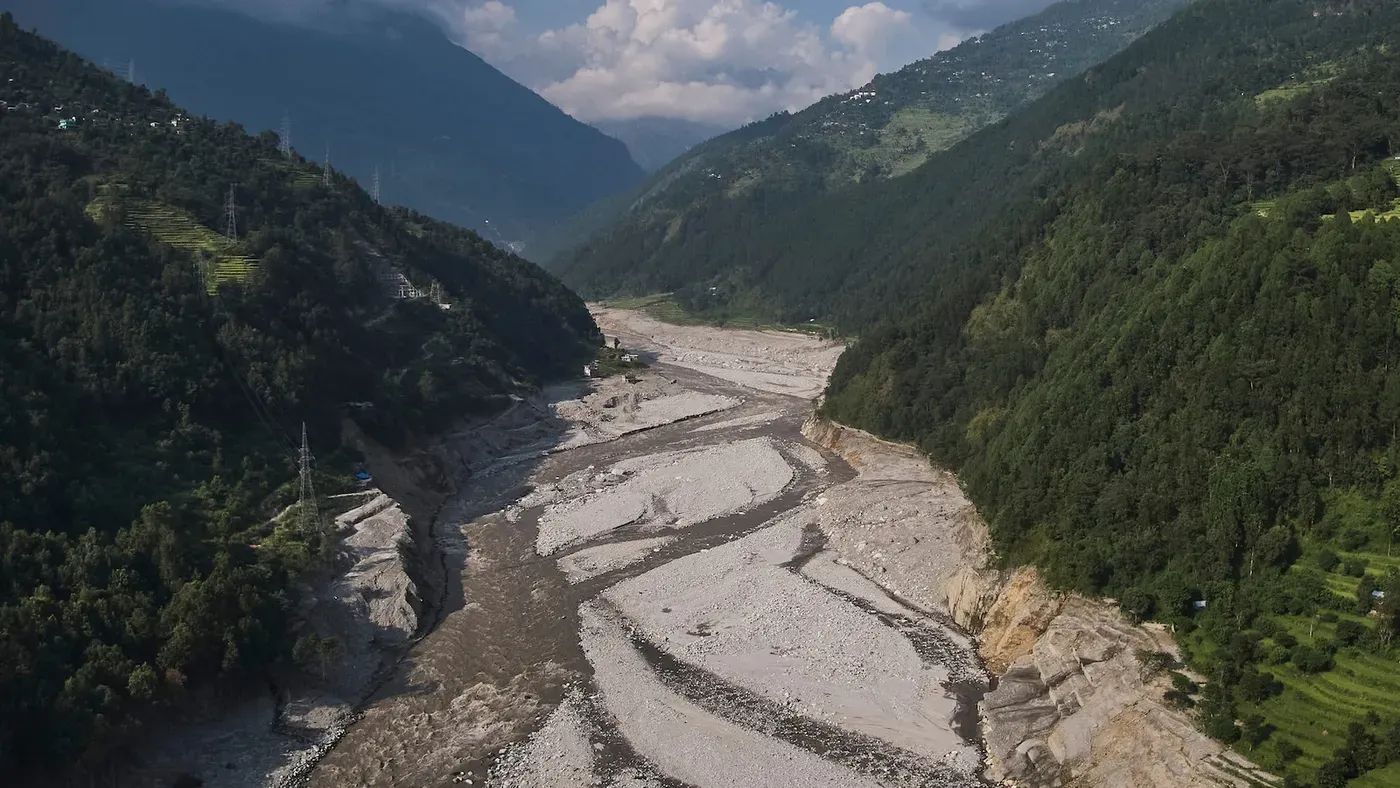
A United Nations climate fund has allocated $20 million to assist Nepal in recovering from the devastating floods that ravaged the country, resulting in thousands of deaths and widespread destruction of infrastructure.
The funds will be used to help rebuild homes, schools, roads, and dams damaged by the floods, which caused an estimated billions of dollars in damages. The allocation comes as a welcome relief for the Nepalese government, which has been struggling to cope with the scale of the disaster.
Government officials and climate experts have praised the move, but acknowledge that $20 million is only a fraction of the $4.7 billion needed for recovery and reconstruction efforts. This amount represents less than 1% of the estimated damages, leaving much work still to be done.
Maheshwar Dhakal, a senior official in Nepal's climate and environment ministry, noted that the allocation sends an important message about global support for countries vulnerable to climate change. He emphasized that this gesture shows the international community can take timely action to help those most affected by climate-related disasters.
The Nepalese government has already received $102 million from various donors as of September, including both domestic and international sources. To address its remaining needs, officials are working with neighboring countries like India and China, as well as multilateral development banks, to secure additional funding for recovery efforts.
The United Nations climate fund has approved a modest $20 million to help Nepal recover from devastating floods caused by human-caused climate change. This initial payment marks the first allocation of funds from the U.N. Fund for Responding to Loss and Damage.
Established at the 2022 U.N. climate talks, this fund aims to assist countries severely affected by climate-related disasters. Created in response to demands from vulnerable developing nations, it is designed to provide support to those who contribute relatively little to greenhouse gas emissions but bear the brunt of their consequences.
The fund has received pledges exceeding $820 million, yet it faces 176 requests for support from developing nations totaling approximately $2.8 billion. The board members will convene in December to consider additional funding proposals.
Financing for countries impacted by climate-related disasters is expected to be a major topic at the upcoming U.N. climate negotiations scheduled to begin next month in Turkey.
The collapse of a mountainside, triggered by human-caused climate change, was the primary cause of Nepal's devastating flood.
The rapid melting of glaciers in the Himalayas has severe consequences for millions of people living downstream. Rising temperatures are causing these glaciers to retreat at an alarming rate, leading to the thawing of permanently frozen ground that normally holds together fractured mountain rock.
This precarious situation is further exacerbated by the fact that the Himalayan region contains an enormous volume of snow and ice outside the polar regions. The area's 63,000+ glaciers feed into major Asian river systems, supporting the livelihoods of billions of people through food, water, energy, and other essential resources.
A recent United Nations report highlighted the scale of the problem, revealing that between 2000 and 2019, glaciers in the region lost a staggering 267 billion tons of ice per year. This loss is particularly pronounced at elevations between 4,500 and 6,000 meters above sea level, where around 78% of glacier area is highly exposed to warming.
Climate experts warn that massive cuts to international aid budgets are exacerbating the problem. The United States Agency for International Development has seen significant reductions in funding, making it harder for countries like Nepal to prepare for and respond to climate-driven disasters.
Nepal's recent devastating flood has underscored the urgent need for increased support from major donor countries. Official development assistance fell by 23% in 2025, according to the Organization for Economic Cooperation and Development, with the United States leading the reductions.
The international community's response to Nepal's devastating floods has been criticized as woefully inadequate, with the UN climate fund committing a mere $20 million towards recovery efforts.
Critics argue that this paltry sum is a stark reminder of the developed world's failure to meet its obligations under the Paris Agreement. According to Harjeet Singh, a leading advocate for increased funding, trillions of dollars are needed annually to address the scale and complexity of climate-related disasters, but rich nations have consistently fallen short.
The funding shortfall has sparked renewed calls for richer countries to increase their financial commitments ahead of the upcoming UN climate talks, where pressure is likely to mount on developed nations to deliver more substantial aid.
Facts based on reporting originally published by ABC News International.
You may republish this story, in full or in part, if you credit News Central Site and link to it (licence CC BY 4.0). Photos are not included.