Thai Government Introduces Work Permit System for Refugees
A new Thai labor scheme has brought hope to refugees living in camps along the border with Myanmar, allowing them to seek employment outside their settlements.
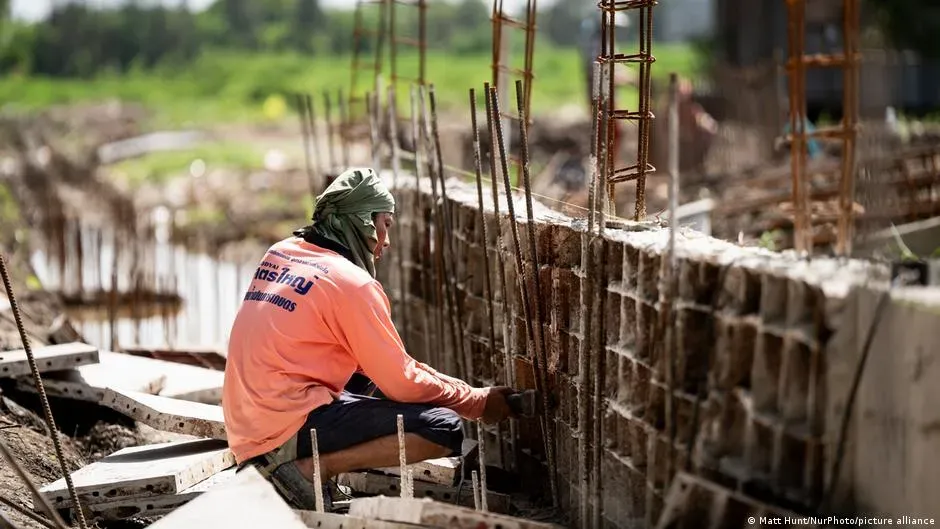
A new work program has brought hope to refugees in Thailand who have been living in camps for decades.
Ray Boe, a 31-year-old refugee from Myanmar, is one of them. He arrived at a Thai construction site where thousands of other foreign workers are employed, but his background sets him apart. Unlike most of these workers, Boe has experienced the struggles of life in a refugee camp on the Thai-Myanmar border.
The nine camps along the border have been home to over 100,000 people for extended periods, with some having arrived since the 1980s when they fled civil strife in Myanmar. Until recently, the Thai government had prohibited them from leaving the camps to find work, forcing many to rely on foreign aid. This changed last October.
Foreign donor aid cuts, mainly from the United States, led to reduced food support and healthcare for those in the camps. The Thai labor scheme was introduced around this time, coinciding with a mass exodus of migrant workers from Cambodia following a territorial dispute between Thailand and Cambodia.
The Thai government has introduced a work permit system for refugees in camps along its border with Myanmar, allowing them to seek employment outside their settlements to meet their basic needs.
Ray Boe is one of around 6,800 camp residents who have entered the Thai labor force since the program's inception, according to official figures. He cited the reduction in aid provided by organizations like USAID as a major factor in his decision to look for work.
The withdrawal of foreign assistance has left many refugees struggling to make ends meet, with some forced to borrow from neighbors or cut back on already meager meals. Healthcare services within the camps have also been severely impacted by the cuts.
Ray Boe's new job pays him 400 baht (approximately $12) per day, which he hopes will enable him to start sending money back home soon. He is currently working as a laborer in central Bangkok, pouring concrete and erecting scaffolding for a high-rise apartment building under construction.
The Myanmar refugee work program in Thailand has expanded its scope, allowing refugees to work in 43 of the country's 76 provinces and various sectors not reserved for Thai citizens only.
This change is part of a broader effort by the government to prepare refugees for life outside the camps through improved vocational training. The training programs aim to equip refugees with skills that will be valuable in the job market, making them more employable.
The program has received positive feedback from labor and refugee rights groups, who see it as an opportunity for refugees to gain independence and contribute to Thai socioeconomic development. According to Praporn Waenluang, a government spokesman, the policy is designed to enhance opportunities and empower refugees to reach their full potential.
Labor and refugee rights organizations have welcomed the initiative, citing its potential to improve the lives of those who have fled Myanmar. They note that many refugees have taken advantage of the program, finding work and earning significantly more than they would in the camps.
Many refugees who have participated in Thailand's work program have been left disappointed by their experiences on the job. Some have found that the conditions were harsher than promised, while others reported working longer hours for lower pay than initially agreed upon.
According to observers, a major issue with the program is its lack of transparency and accountability. Refugees often return to the camps only to find that the promised jobs do not exist or are significantly different from what was advertised.
Refugee families have been forced to take on debt just so their loved ones can participate in the work program. K'nyaw Paw, general secretary of the Karen Women's Organization, notes that many refugees go back and forth between the camps and the job sites repeatedly, while others rely on loans or fundraising efforts to cover the costs.
Refugees who are hired through the program often have their wages deducted for various expenses, including medical exams, government permits, and transportation. This means that they start working in debt, sometimes without even being informed of these deductions beforehand.
The lack of transparency in Thailand's work program for refugees is a major concern.
Refugees who have participated in the program claim they were not informed about deductions from their wages before starting work. This means that they start working in debt, sometimes without even being informed of these deductions beforehand.
Critics argue that the program's rules and regulations are often unclear or ambiguous, leaving refugees vulnerable to exploitation.
Advocates for refugee rights have proposed several improvements to the program, including providing clear contracts and a complaint system for refugees.
NGOs working with the government on upgrading the program are hopeful that changes will be made in the future.
Many refugees participating in Thailand's work program for stateless individuals from Myanmar continue to express interest in applying despite encountering difficulties.
Mu Dah Hsit's experience is a case in point - she fell ill on the job and was not provided with health insurance as promised by the program, but still hopes to participate again due to food shortages in the camp.
Facts based on reporting originally published by DW English.
You may republish this story, in full or in part, if you credit News Central Site and link to it (licence CC BY 4.0). Photos are not included.