Proton Faces Crisis Over AI Priorities Amid Security Concerns
A report has shed light on Proton's internal communications, suggesting its CEO is prioritizing speed over security protocols.
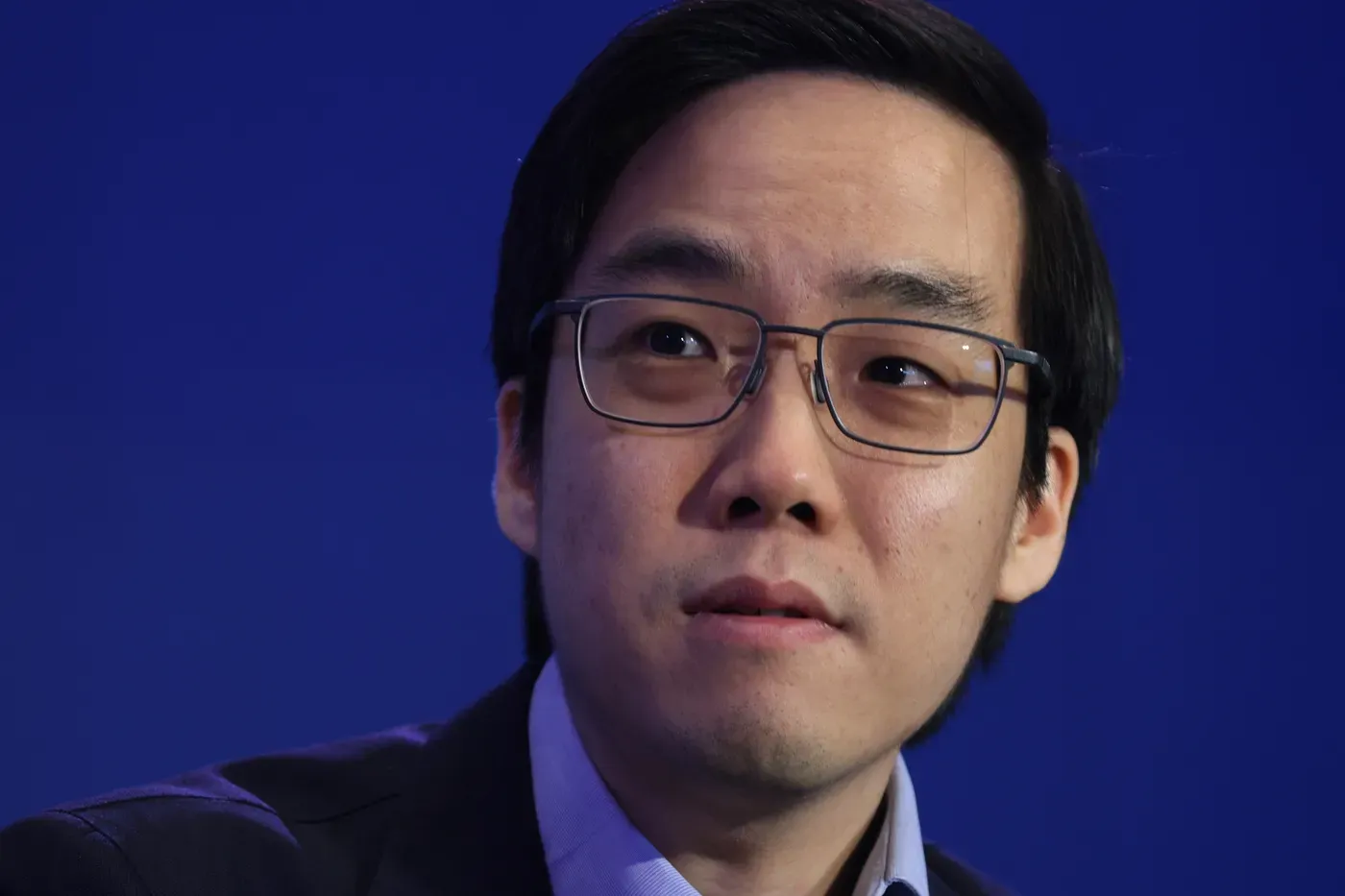
Proton, a Swiss technology company known for its privacy-focused products like Proton Mail and Proton VPN, is facing a major crisis of trust after a series of revelations about its approach to artificial intelligence.
A recent report published by an online publication has shed light on the company's priorities, citing internal communications that suggest Proton's CEO Andy Yen is pushing developers to adopt AI at any cost. The report highlights a culture where speed and efficiency are valued above security protocols, sparking concerns among users who rely on Proton's products for their sensitive data.
According to leaked Slack messages, Yen reportedly dismissed the idea of thorough penetration testing before deploying new code, instead urging engineers to focus on being faster rather than slower. This approach has been met with alarm by some developers and experts who are worried that Proton is compromising its core values of security and privacy in pursuit of AI-driven innovation.
The controversy surrounding Proton's use of AI began two weeks ago when a detailed report was published, based on internal communications and interviews with anonymous insiders. The report alleged that Yen was pushing Proton engineers to abandon traditional development methods in favor of AI-powered tools, which some saw as a threat to the company's security safeguards.
Proton has since responded to the allegations, publishing a blog post that defends its use of AI and assures customers that its security measures remain intact. However, the damage may already be done, with many users expressing concerns about the company's priorities in the face of growing scrutiny.
As a company founded by engineers at CERN, Proton has built a reputation on its commitment to privacy and security. Its unique structure, where the for-profit Proton AG is primarily owned by the nonprofit Proton Foundation, was designed to preserve this mission and ensure that profits do not compromise its values.
The revelations about Proton's approach to AI have sparked a wider debate about the role of technology companies in protecting user data and maintaining security standards. As the story continues to unfold, one thing is clear: Proton faces an uphill battle to regain the trust of its users and maintain its reputation as a leader in privacy-focused technology.
The controversy surrounding Proton's use of AI has also raised questions about the trade-offs between speed, efficiency, and security in software development. As more companies adopt AI-powered tools, it remains to be seen whether they will prioritize security and user data protection or risk compromising their values for the sake of innovation.
A large number of users have been actively discussing Proton's recent decision to use artificial intelligence in its security reviews on the platform's community forum.
The discussion has been so extensive that moderators had to create a single thread to keep track of all the different conversations, including pages dedicated to general criticism and support for the AI usage.
In response to the backlash, Yen posted an apology message to the community, acknowledging that his previous remarks may have caused hurt and expressing his determination to do better in the future.
He also clarified Proton's stance on using AI for security reviews, emphasizing that it will never compromise on security to prioritize speed or efficiency.
According to Yen, despite allegations to the contrary, Proton has actually strengthened its security protocols over the past year by adding additional layers of review to counter threats posed by hostile AIs scanning its open-source code for vulnerabilities.
The company's use of AI is focused on identifying potential weaknesses in its own code before malicious actors can exploit them, rather than relying solely on manual reviews.
Proton's commitment to transparency is evident in the fact that its code is publicly available and open to scrutiny from anyone who wants to verify its security.
Proton's code review process remains unchanged since June 2024, a time when artificial intelligence was not yet a major factor in software development. This suggests that the company has been prepared to adapt its security governance policies to accommodate emerging technologies.
The use of AI in software development is a topic of ongoing debate, with some arguing that it can introduce new vulnerabilities. However, Proton's approach involves automated security scans for all code changes, regardless of whether they are written by humans or AI agents.
This process ensures that sensitive areas such as core cryptography work receive additional scrutiny from specialist teams. Furthermore, major feature designs undergo a thorough review to identify potential security risks and ensure adequate testing and deployment plans.
The company's reliance on AI in its security processes has been criticized by some experts who argue that it is impossible to know whether these safeguards are consistently followed in day-to-day development. This criticism highlights the challenges of implementing effective security measures in complex software systems.
Proton's decision to use AI for security purposes reflects the rapidly changing landscape of cybersecurity threats. As attackers become increasingly sophisticated, defenders must adapt their strategies to stay ahead of the curve. The company's emphasis on AI as a key tool in its defense against cyber threats underscores this reality.
In the face of emerging technologies, companies like Proton are forced to reassess their approaches to security and development. By leveraging AI to augment its manual processes, Proton aims to stay one step ahead of potential attackers and protect user data from increasingly sophisticated threats.
The use of artificial intelligence in software development has sparked controversy, particularly when it comes to Proton's approach to security.
Proton employs AI-powered models from OpenAI and Anthropic alongside its own internal tools to review code changes, identify vulnerabilities, and monitor its attack surface.
This integration of AI is part of a broader trend where developers are increasingly relying on machine learning algorithms to augment their manual processes and stay ahead of potential threats.
However, this approach has raised concerns among some users who are skeptical about the role of AI in software development and security.
The issue at hand is not whether AI can be used to improve security, but rather whether the pressure to adopt "AI velocity" should override the judgment of engineers responsible for keeping Proton's products secure.
Proton's customers, many of whom have chosen the service as an alternative to big tech companies, are particularly wary of AI-driven development and may view its use with suspicion.
The controversy surrounding Proton's PQC implementation has brought to light a disturbing sentiment from one of its executives. In a Slack message, Yen told an engineer that perception is more important than truth, implying that he was urging the employee to manipulate public opinion.
Yen later clarified his statement on Reddit, explaining that while he believes truth should be paramount, it often takes a backseat in reality. He acknowledged that even if Proton's PQC implementation is superior, its reputation can suffer if users perceive it as inferior.
The company now faces a daunting task: rebuilding trust with its customers and the public at large. A damaged reputation can take months or years to repair, while it only takes seconds to destroy one.
Despite the controversy, Proton remains a viable option for those concerned about online privacy. Its architecture is robust, and its development team appears to be intact, at least for now.
The backlash has also served as a wake-up call for management, refocusing their attention on what truly matters: delivering secure and reliable services to users. In contrast, many alternative providers are still small and untested.
Some users have already begun to take action, with one Reddit commenter sharing that they've moved their secondary email accounts from Proton Mail to Fastmail due to performance issues.
For those who value online security, Proton's products remain solid and reliable choices, for now. However, the company's management must work tirelessly to restore trust and credibility in the wake of this controversy.
The recent data breach at Proton has left many users questioning the security of their personal information. The company's handling of the incident has been criticized for being opaque and uncommunicative. This lack of transparency has exacerbated concerns about the trustworthiness of the service.
Proton must now work to rebuild user confidence by providing clear explanations and implementing robust measures to prevent similar incidents in the future. The company's reputation is at stake, and it is imperative that they take swift action to restore users' faith in their services. Ultimately, Proton's ability to recover from this setback will depend on its willingness to learn from its mistakes and prioritize transparency above all else.
Facts based on reporting originally published by ZDNet.
You may republish this story, in full or in part, if you credit News Central Site and link to it (licence CC BY 4.0). Photos are not included.