Presidents Prepare for High-Stakes Talks Through Extensive Briefings and Strategy Sessions
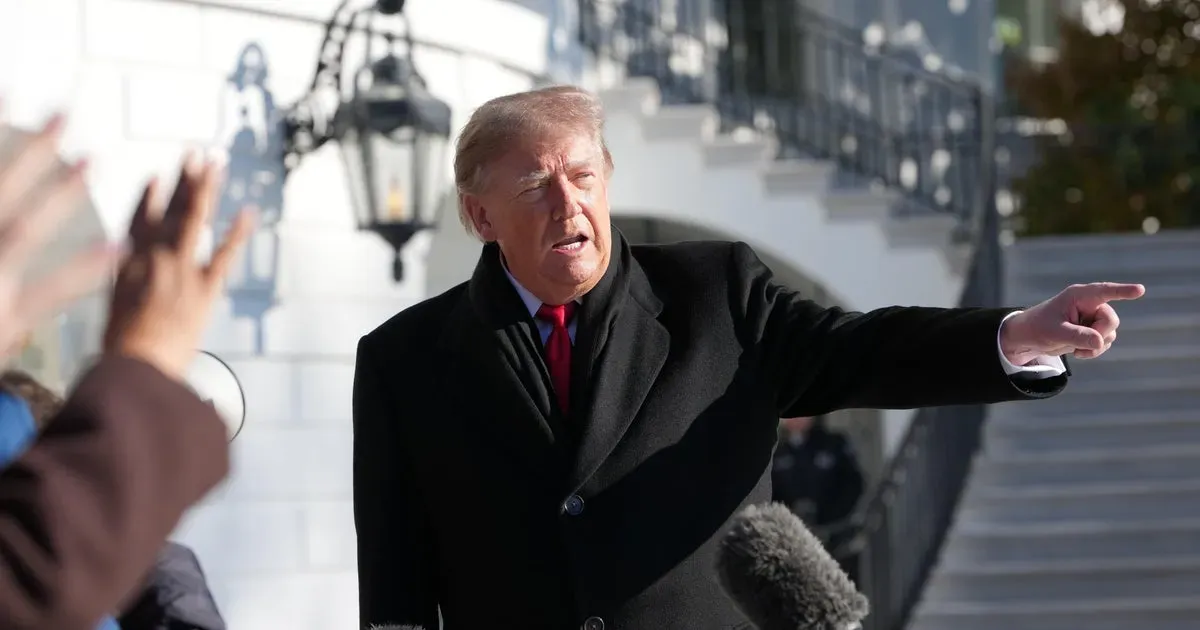
Julia Curlee, a former national security staffer, shares her expertise on how presidents prepare for high-stakes talks with world leaders, particularly President Trump's recent trip to China.
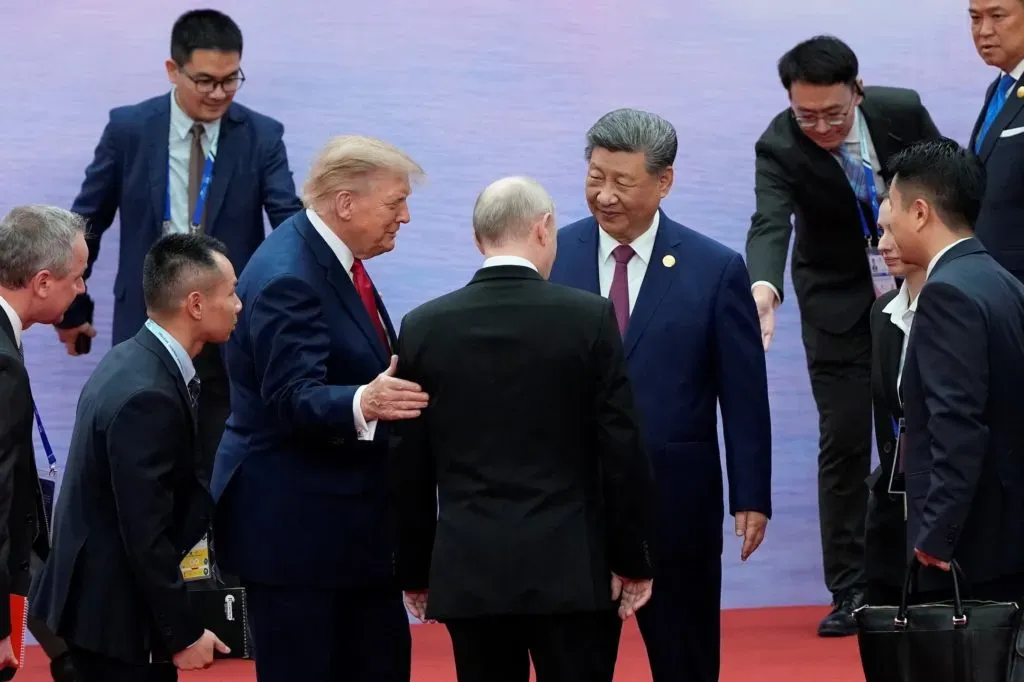
Former national security staffer Julia Curlee has shared her expertise on how presidents prepare for high-stakes talks with world leaders, offering a unique perspective on President Trump's recent trip to China.
Curlee, a former CIA analyst, served on the National Security Council staff during both the Biden and Trump administrations. Her experience spans multiple presidential transitions, making her an authoritative voice on the inner workings of the White House. As Vice President Pence's main daily briefer, Curlee was privy to sensitive information and had a front-row seat to critical policy discussions.
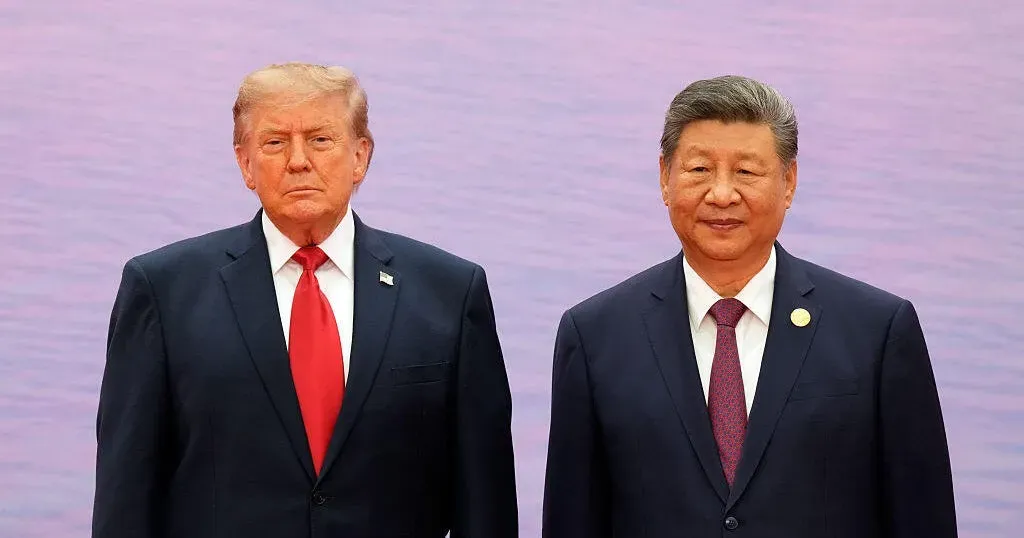
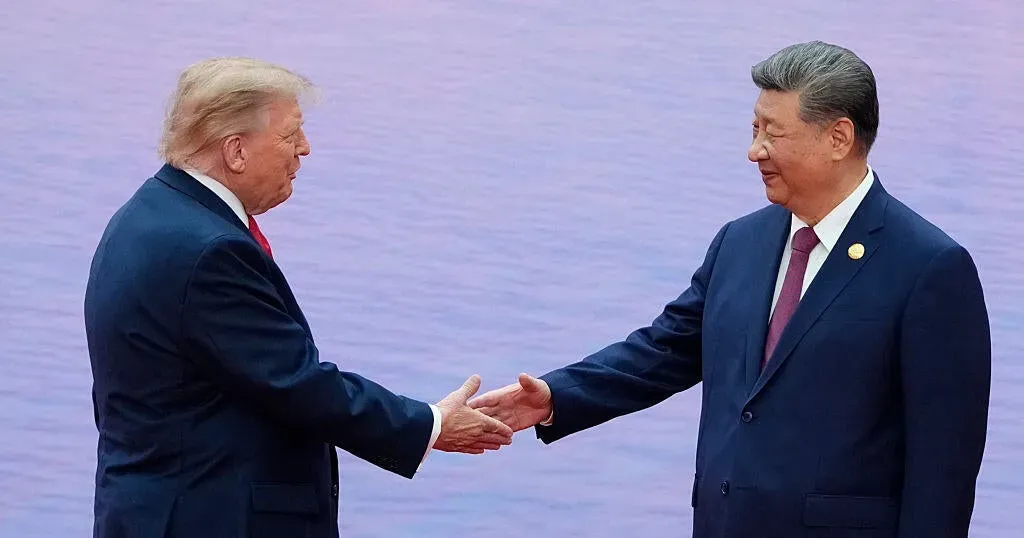
In preparation for high-level talks like those with Xi Jinping in China, presidents typically engage in extensive briefings and strategy sessions. These meetings aim to ensure that the president is well-informed about key issues, potential pitfalls, and diplomatic objectives. However, some analysts argue that President Trump's unorthodox approach to diplomacy may have contributed to his decision-making process.
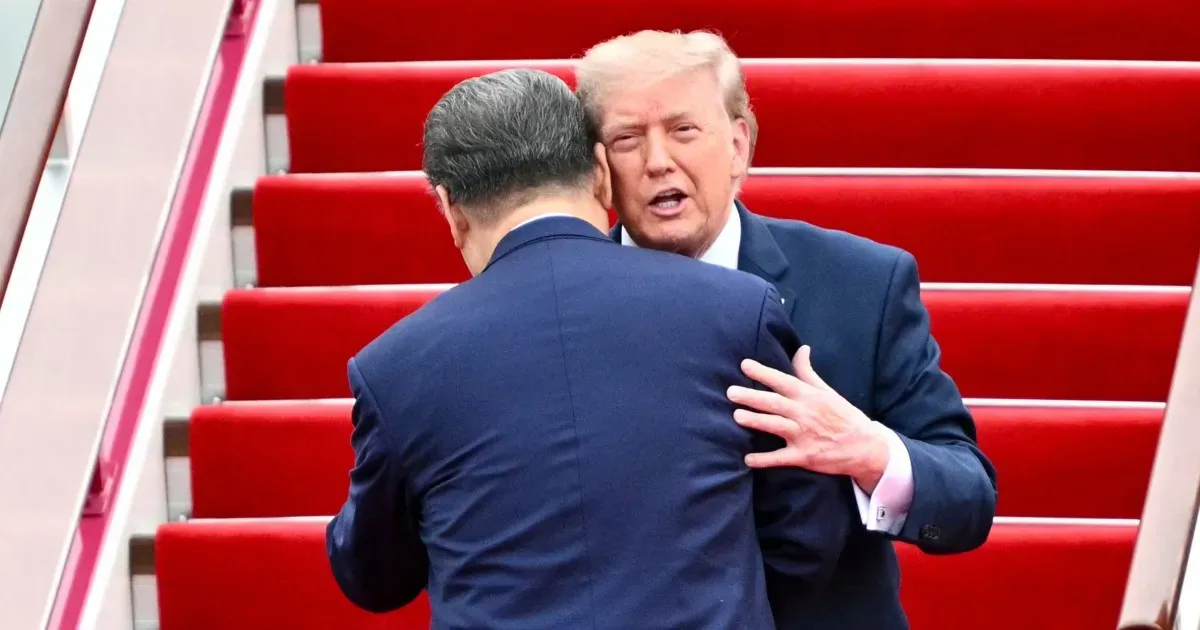
According to Curlee, Xi Jinping's decision to greet President Trump with a hug upon arrival was a notable gesture, as it deviates from the Chinese leader's usual behavior. The significance of this level of warmth and deference is open to interpretation, but it has sparked debate among analysts about what message China may be trying to convey through such a gesture.
The gift of a customized golf cart for President Trump's upcoming summit with Xi Jinping is seen as a calculated move by China to gain favor and influence over the US leader. This gesture is believed to be part of China's strategy to understand what President Trump values most in these high-stakes meetings.
According to analysts, President Trump's focus on his legacy and reputation plays into China's hands, allowing them to tailor their approach to meet his needs. By doing so, China aims to create an environment where they can extract concessions from the US president. This is a common tactic used by nations when dealing with foreign leaders, as it allows them to understand what drives decision-making.
When preparing for such summits, Chinese officials would likely consider the psychology of their counterpart and tailor their approach accordingly. They would look to provide President Trump with what he perceives as valuable or desirable in order to achieve their own objectives. This could include gifts, concessions, or other forms of reciprocity that meet the US president's expectations.
By understanding the incentives and motivations driving President Trump's actions, China can better position itself for success in these high-stakes diplomatic encounters. The approach may not always be successful, but it is a calculated risk taken by nations seeking to advance their interests through shrewd diplomacy.
Presidents often seek to project an image of strength and unity when meeting with other world leaders. This can be achieved by creating a sense of camaraderie among the three leaders, who are expected to put aside their differences for the sake of diplomacy.
In return, they expect tangible benefits from these interactions. Chinese advisers may suggest that certain concessions could be made, such as extending trade agreements or suspending export controls, in exchange for cooperation with President Trump.
The specific demands being negotiated behind closed doors can vary greatly. Some may involve setting aside contentious issues like arms sales to Taiwan or nuclear agreements between the three powers. These are just a few examples of the complex web of interests at play.
In terms of preparation, it's crucial that the president is well-informed and "armed" with relevant information before entering high-stakes negotiations. This typically involves extensive staff work and research to anticipate potential outcomes and develop effective strategies for achieving key objectives.
As diplomatic efforts between world leaders continue to unfold, key players are keeping a close eye on China's stance regarding nuclear arms control agreements.
China has made it clear that they will not agree to such an agreement unless they reach parity with the United States, a position that is being closely monitored by all parties involved.
The recent Nvidia scandal, which has garnered significant attention in recent weeks, is also likely influencing these interactions as countries navigate complex relationships and competing interests.
Meanwhile, President Trump's public dismissal of the intelligence community's findings on the matter has effectively removed this issue from the negotiating table, leaving other pressing matters to take center stage.
The goal of any high-stakes summit is often as much about appearances as it is about tangible outcomes. Russia's President Putin would ideally emerge from a successful meeting with the US president looking like a co-equal power broker, rather than just one of several nations in attendance.
This image of parity would be a significant coup for Putin, especially if he could secure an agreement on key issues without directly involving Ukraine or its leader Zelenskyy. Such a result would send a clear message to other countries in Eastern Europe and NATO allies that the US is willing to collaborate with Russia on matters of mutual interest.
The usual approach to preparing for such a summit involves identifying concrete deliverables that can be negotiated in advance, giving the president something tangible to bring back home. However, it's unclear what specific steps have been taken in this case to achieve such outcomes.
The key to a successful presidential summit lies in building strong relationships with world leaders, according to a former national security staffer who has worked closely with multiple administrations. This expert sees direct access to these leaders as the ultimate goal, and making progress towards the next summit is crucial for achieving this objective.
In December, the president will meet with both of these key leaders at Doral in Florida, providing another opportunity to build on existing trade agreements and potentially make headway on a peace settlement in Ukraine.
Facts based on reporting originally published by PBS NewsHour World.
You may republish this story, in full or in part, if you credit News Central Site and link to it (licence CC BY 4.0). Photos are not included.