Pasta Water Contains Starches That Help Bind Sauce to Pasta
Saving pasta water after cooking can be used to enhance the dish by adding flavor and preventing drying out.
Pasta water is a liquid goldmine that deserves to be saved and reused in cooking. Chefs around the world swear by this technique, and it's not just about adding flavor to the dish. The seasoned liquid from pasta cooking water contains starches that help bind sauce to pasta when tossed together.
When you cook pasta, the boiling water infuses into the noodles, releasing excess starch. This process is crucial in achieving perfect al dente texture. After the cooking time of 5-10 minutes, depending on shape and size, what's left over is a valuable liquid resource that can be treated like a stock.
Many home cooks are aware of the importance of salting pasta water to season it "like the sea." However, few know about the benefits of saving this liquid. Three experienced chefs shared their insights on why saving pasta water is essential, regardless of the sauce or cooking method used.
According to Melissa Mastrianni-Oleary, founder of Keeping It Simple Italian, pasta water contains starches that help bind sauce to pasta when tossed together. This technique prevents the sauce from drying out during tossing and ensures a more even distribution of flavors.
Saving pasta water may not yield a rich stock like one simmered for hours, but it still offers a flavorful broth. Chefs argue that this liquid is too valuable to be discarded after cooking pasta. Instead, it should be treated with care and used to enhance the dish.
When added to sauces, pasta water helps balance flavors and prevent drying out. This simple yet effective technique has been adopted by many professional chefs who swear by its benefits in achieving perfect pasta dishes.
The sound of sizzling pasta in a pan is often a sign that it's time to add more liquid to keep the dish hydrated and creamy. This is according to culinary experts who emphasize the importance of retaining some of the pasta water when cooking.
When aiming for a rich and creamy sauce, the starches present in the pasta water act as natural thickeners or emulsifiers, blending seamlessly with other ingredients in the dish. This synergy is particularly beneficial when preparing buttery sauces that require a smooth and velvety texture.
The starchiness of the pasta water also prevents shredded cheese from clumping together in the pan, making it easier to achieve an even layer of flavor. Furthermore, this technique can be applied to non-dairy ingredients like olive oil, allowing them to emulsify into a creamy consistency that's visually appealing and satisfying to eat.
The conventional method of draining pasta water is being challenged by chefs who advocate for retaining some residual liquid on the pasta during cooking. By doing so, they claim that the starches in the water can begin to work their magic even before the pasta is fully incorporated with the sauce.
A simple yet effective approach to achieving perfect pasta dishes involves using a slotted spoon or tongs to transfer cooked pasta directly from the boiling water into the saucepan, thereby retaining some of its essential moisture.
Using leftover pasta water can be intimidating, especially for those who are new to cooking. However, incorporating this technique into your routine is easier than you think.
To start, try using a glass measuring cup or setting up a pot or bowl in the sink to catch the drained water as you cook your pasta. This way, you'll have some of that precious liquid on hand to use later.
Some cooks swear by specialized pots with built-in colanders for this purpose. The amount of pasta water saved will ultimately depend on how much pasta is being cooked and the personal preference of the chef.
The key to successfully combining cooked pasta and sauce lies in balancing flavors. This process often relies on intuition, but having a few tricks up your sleeve can make all the difference.
When cooking pasta, it's not uncommon for chefs to undercook their noodles slightly before finishing them off with sauce. This approach allows the pasta water to work its magic when combined with the sauce.
When cooking pasta, chefs often reserve a portion of the cooking liquid to be used in the sauce. This approach allows for more efficient use of ingredients and creates a richer flavor profile. The reserved water can then be combined with the sauce to create a harmonious balance of tastes.
The quality of the pasta water is also crucial, as it directly affects the overall flavor of the dish. According to experts, high-quality pasta water starts with premium pasta products. Cheaper options often result in subpar pasta water that lacks depth and character. This highlights the importance of investing in better-quality pasta for optimal results.
When incorporating pasta water into a sauce, cooks must consider its seasoning levels. Over-salting can easily occur when combining the two ingredients, leading to an unbalanced flavor profile. To avoid this issue, it's recommended to start with minimal salt and adjust as needed after adding the pasta water.
A common mistake when using pasta water in sauces is over-seasoning. This can be mitigated by starting with a light hand on the salt and adjusting to taste after combining the two ingredients. The reserved cooking liquid should be used judiciously, allowing for just the right amount of seasoning to be added.
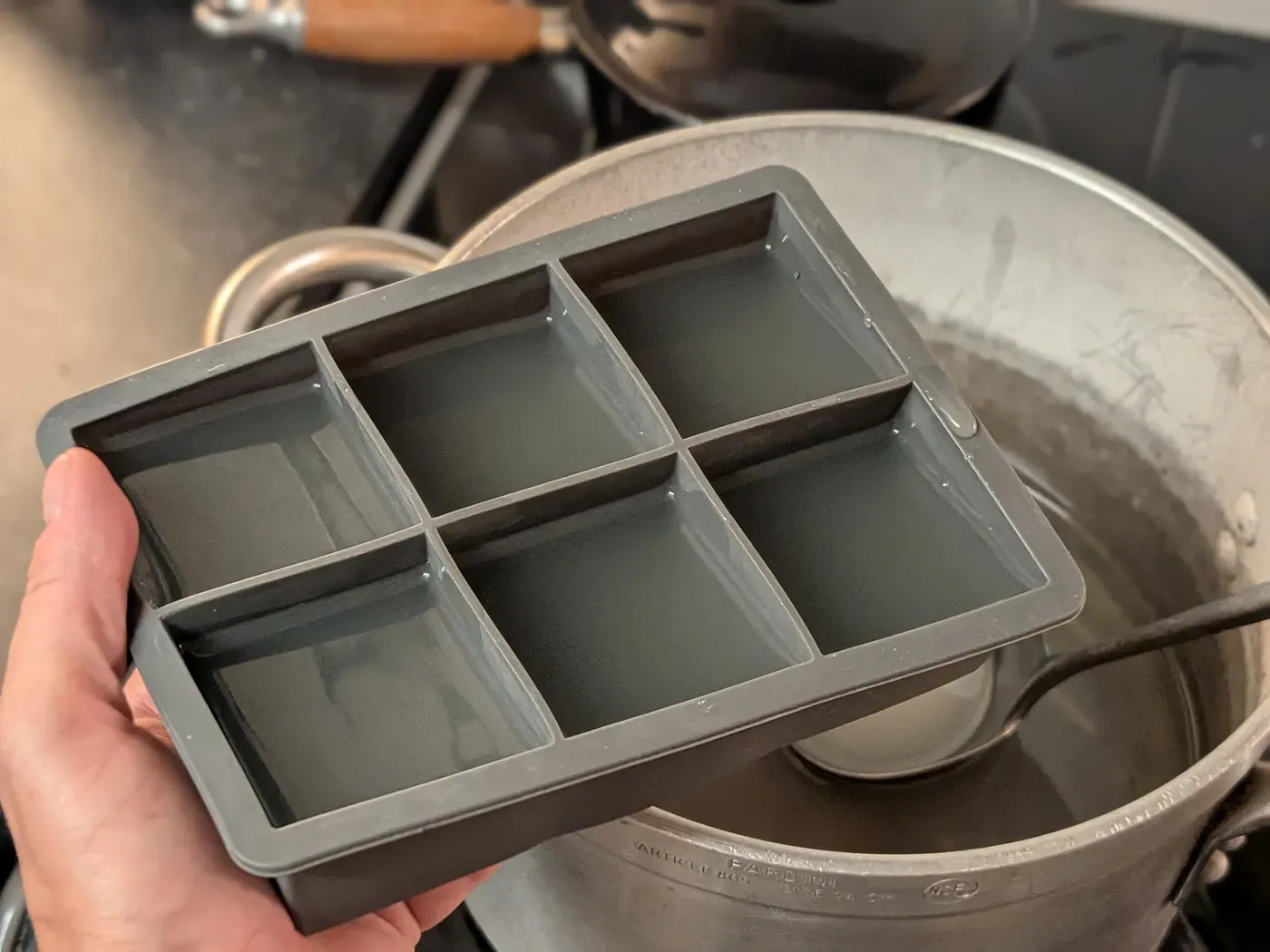
Freezing pasta water for future use is also a viable option. Once cooled, it can be portioned into small containers or even an ice cube tray for later use in sauces and other recipes. This approach not only saves time but also ensures that no valuable ingredient goes to waste.
Reserving leftover pasta water can be a valuable resource in the kitchen. According to Mastrianni-Oleary, it's perfect for adding starchiness and salt to soups, making it an essential ingredient in many recipes.
Freezing this liquid gold is also a clever trick, as Fodera noted, allowing you to salvage even the smallest amount of flavor when cooking other grains or sauces.
Facts based on reporting originally published by CNET.
You may republish this story, in full or in part, if you credit News Central Site and link to it (licence CC BY 4.0). Photos are not included.