North Korea's Troop Buildup in Russia Fails to Materialize
A recent intelligence assessment suggested Moscow requested over 30,000 additional North Korean troops for an autumn offensive but the anticipated troop buildup has failed to materialize.
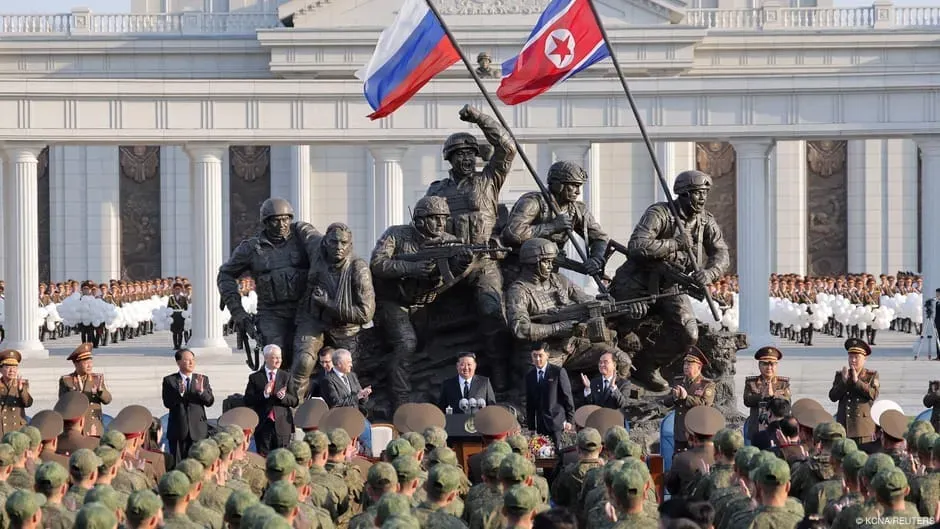
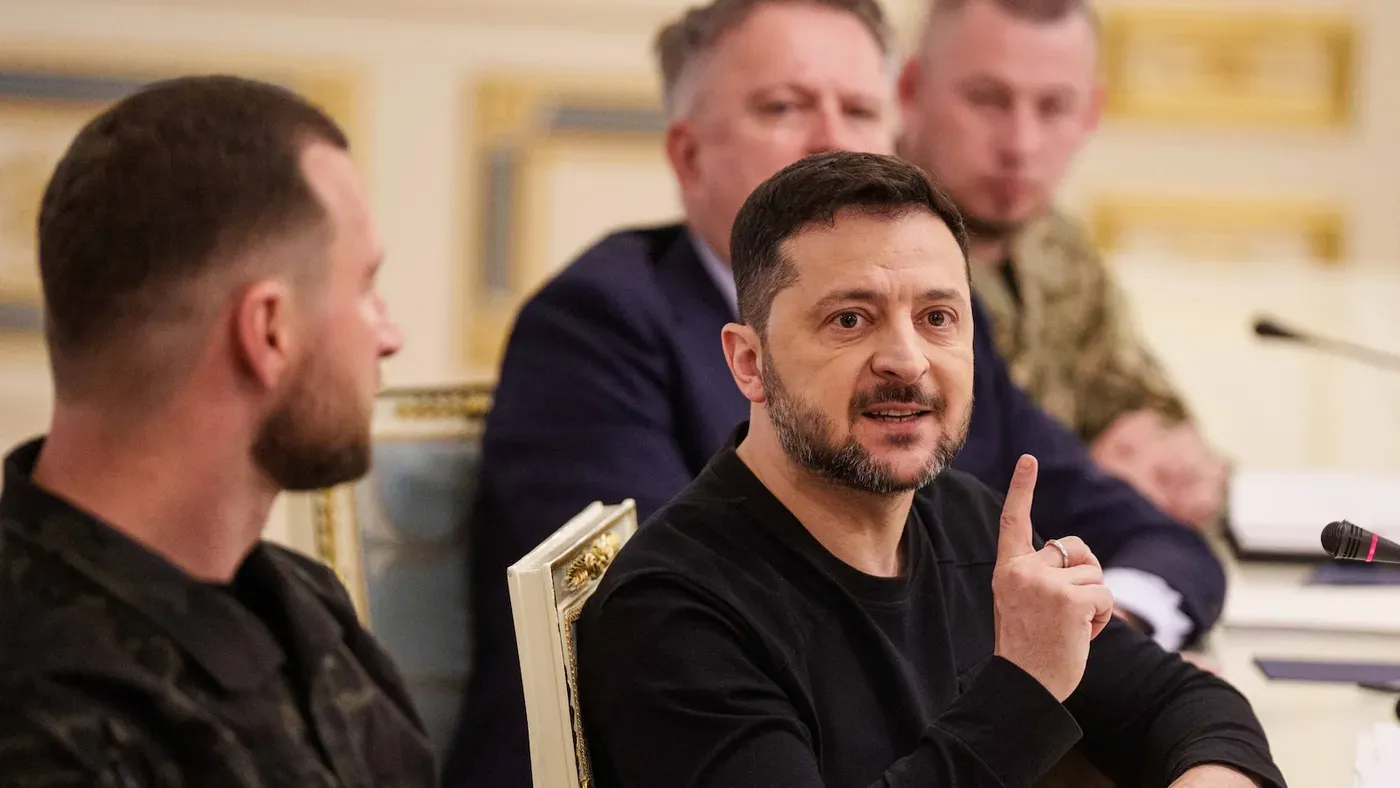
Ukrainian President Volodymyr Zelenskyy had predicted a significant influx of North Korean soldiers in Russia, estimating between 30,000 and 50,000 would be deployed to support Moscow's war efforts.
However, the anticipated troop buildup has failed to materialize, leaving uncertainty about North Korea's continued involvement in Russia's military operations.
According to Andrii Kovalenko, a former head of Ukraine's Center for Countering Disinformation who resigned in September, an intelligence assessment from August suggested that Moscow had requested over 30,000 additional North Korean troops for an autumn offensive.
The intelligence indicated that a summit between North Korea's leader Kim Jong Un and Russian President Vladimir Putin was expected to take place in September but ultimately did not occur.
A visit by Jo Yong-won, a senior North Korean official close to Kim Jong Un, to Moscow this week has sparked speculation about future plans between the two nations.
The trip could provide insight into whether Pyongyang is considering sending more troops to support Russia's war efforts in Ukraine.
Han Ki-bum, a former deputy director of South Korea's National Intelligence Service, believes that North Korea may not see an immediate need to send reinforcements due to the lull in fighting and the onset of winter.
The presence of a missile unit from North Korea in Russia's Voronezh region and around 8,500 support personnel in rear areas has been confirmed by Ukrainian officials.
Ahn Chan-il, a former North Korean soldier who defected to South Korea, expects Moscow to carefully weigh its battlefield needs against the costs of deploying more North Korean troops.
Pyongyang has been increasing its production of ammunition, showcasing new drones and missiles in the process. This move raises questions about North Korea's military commitments, particularly given Russia's ongoing invasion of Ukraine. Analysts believe that the real extent of their cooperation may be more limited than previously thought.
The number of North Korean ballistic missiles being sent to Russia each month is substantial, according to recent reports from Kyiv. These shipments are not only providing Moscow with much-needed firepower but also allowing Pyongyang to refine its own military capabilities. As a result, countries in the region are becoming increasingly concerned about the security risks posed by this arrangement.
North Korea's "containment strategy" has allowed it to maintain ties with both Russia and China while limiting its exposure to the outcome of the war in Ukraine. This approach enables Pyongyang to reap the benefits of its alliance with Moscow without being drawn into a conflict that may not serve its interests. By doing so, North Korea is able to hedge its bets and preserve its own military capabilities.
Analysts believe that Russia's assistance is crucial to North Korea's efforts to develop drone technology and strengthen its navy. However, this cooperation may be more limited in the future as Pyongyang seeks to reduce its exposure to the outcome of the war in Ukraine.
North Korea may be holding back on sending more troops to Russia due to concerns about limited economic benefits and potential future exposure to the outcome of the Ukraine conflict.
A former South Korean Unification Ministry spokesperson suggests that Pyongyang's recent efforts to strengthen ties with Beijing could also be motivated by dissatisfaction with what Moscow has offered in return for North Korea's military assistance. By maintaining a steady relationship with Russia while improving relations with China, North Korea may be trying to persuade Moscow to provide more substantial support.
Pyongyang's need for economic, political, and diplomatic backing from both China and Russia means that it will likely continue to pursue Beijing's support regardless of its role in the war.
Facts based on reporting originally published by DW English.
You may republish this story, in full or in part, if you credit News Central Site and link to it (licence CC BY 4.0). Photos are not included.