North Korea Launches Multiple Ballistic Missiles into Eastern Waters
The projectiles were fired from an area around Pyongyang, with various types of missiles involved in the launch.
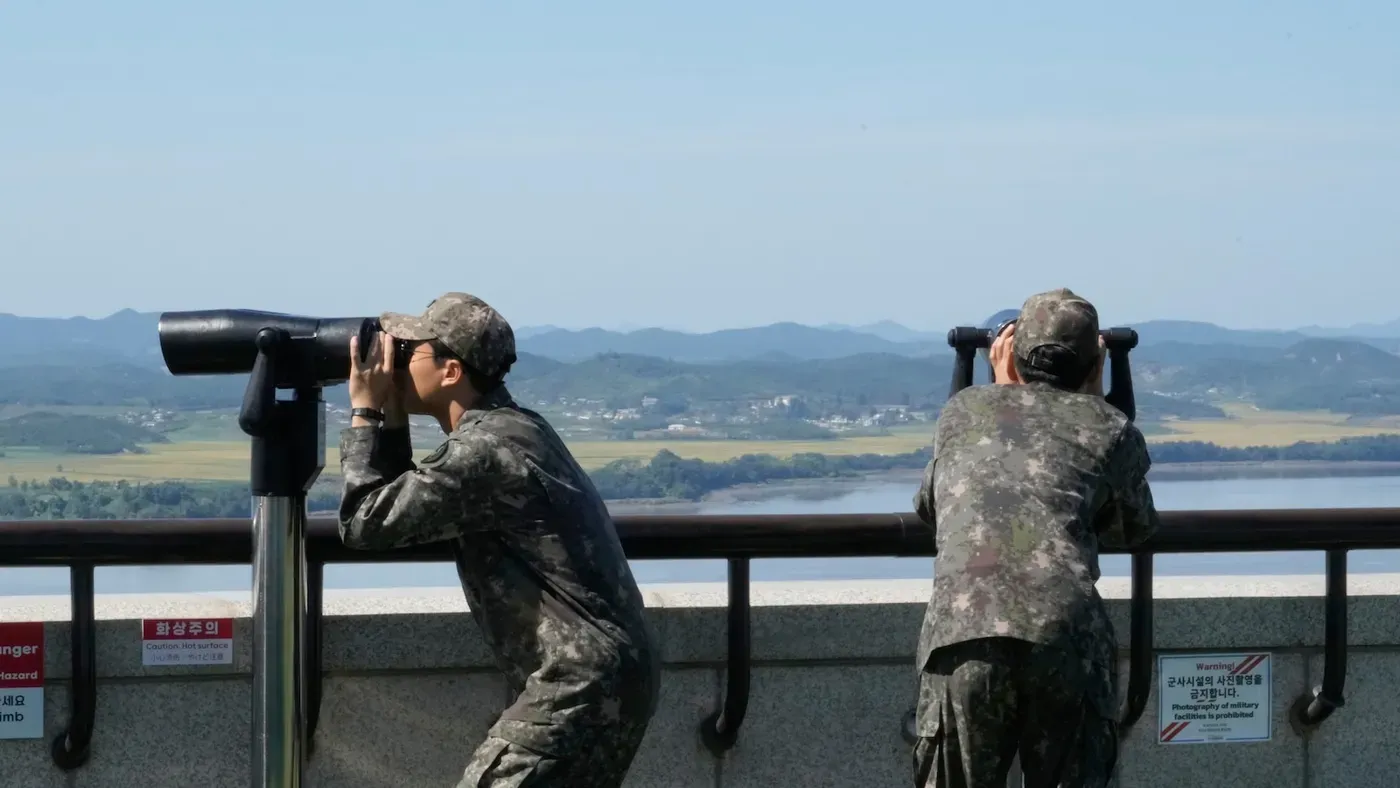
South Korea's military has confirmed that North Korea launched multiple ballistic missiles into its eastern waters on Monday, marking another escalation in a recent series of weapons demonstrations.
The projectiles were fired from an area around Pyongyang, North Korea's capital city, where the country's main airport has been a notable launch site over the past few years. According to South Korean officials, various types of missiles were involved in the launch, with at least one missile traveling more than 900 kilometers before falling into the sea.
The Joint Chiefs of Staff spokesperson, Jang Do-young, provided details on the launch but declined to comment on the specifics of the other missiles' flight paths. The joint chiefs did not specify how many missiles they detected during the incident.
Japan's Deputy Defense Minister Takashi Koyari reported that his country had detected at least two missiles launched 17 minutes apart from North Korea. These missiles landed in waters outside Japan's exclusive economic zone, with no reports of damage to aircraft or vessels.
The flight paths of these missiles were described as "irregular by Japanese officials, a term previously used to describe hypersonic weapons. The distance covered by the first missile was approximately 220 kilometers, while the second missile flew more than 910 kilometers before landing in the sea.
North Korea's military has been actively testing its arsenal of nuclear-capable systems, including an intermediate-range missile tested on October 3 that was designed to evade missile defenses in South Korea and Japan.
The latest launch comes as North Korean leader Kim Jong Un continues to flaunt his country's nuclear weapons program despite rejecting offers from the US and South Korea to resume stalled diplomacy. In recent weeks, North Korea has also conducted other missile tests and live-fire drills, further escalating tensions on the Korean Peninsula.
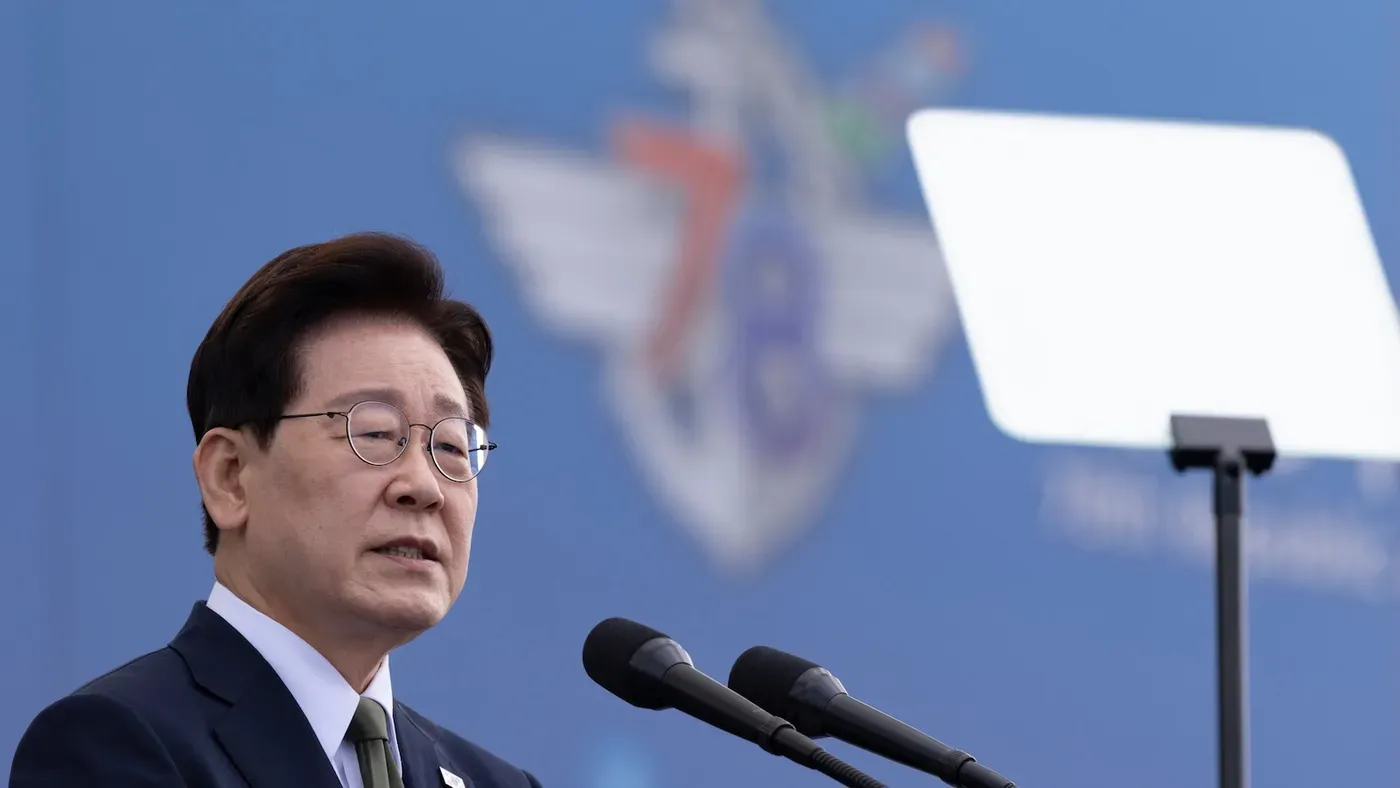
South Korea responded to North Korea's latest launch by emphasizing its own military capabilities. On Friday, Seoul flight-tested a domestically developed hypersonic weapon capable of flying at least five times the speed of sound and evading missile defense systems. President Lee Jae Myung described this development as critical in strengthening South Korea's conventional defense capabilities.
The hypersonic weapon is expected to enhance South Korea's ability to strike key targets by surprise in the Korean Peninsula theater of operations" once it is fully developed, according to Lee's office. However, the South Korean presidential national security office did not directly address the growing threat from North Korea in its statement on the matter.
South Korea's military official, Jang, believes that North Korea's latest launches were intended to advance its missile technologies and possibly respond to Seoul's hypersonic test. The South Korean government has called for an end to North Korea's repeated ballistic launches, which violate UN Security Council resolutions against the country.
Japan lodged a protest with North Korea through their embassies in Beijing after learning of the launch. The Japanese government's move reflects growing concern about North Korea's military activities and its potential threat to regional security.
South Korea's military has confirmed that North Korea fired a projectile into the sea, further escalating tensions between the two nations. This incident comes amidst heightened concerns about North Korea's military activities and its potential threat to regional security. The development is also seen as part of a broader pattern of aggression by Pyongyang.
The relationship between South and North Korea has been strained in recent years, with several incidents contributing to the deterioration of ties. In the past month, three South Korean soldiers were injured in land mine explosions near the inter-Korean border, which Seoul's military attributed to North Korean devices. The North has denied responsibility for these blasts.
The situation is compounded by North Korea's leader, Kim Jong Un, who has shown little willingness to engage with his southern counterpart or the international community at large. Despite previous diplomatic efforts, including those led by US President Donald Trump, Pyongyang continues to rebuff calls for cooperation and dialogue, instead insisting on a complete reversal of Washington's policies towards it.
Facts based on reporting originally published by ABC News International.
You may republish this story, in full or in part, if you credit News Central Site and link to it (licence CC BY 4.0). Photos are not included.