MLB Playoffs Update: Dodgers Secure NLCS Spot, Brewers Move On
The 2026 MLB playoffs continued on Wednesday with several crucial games that would determine the participants in the upcoming League Championship Series.

The 2026 MLB playoffs continued on Wednesday with several crucial games that would determine the participants in the upcoming League Championship Series.
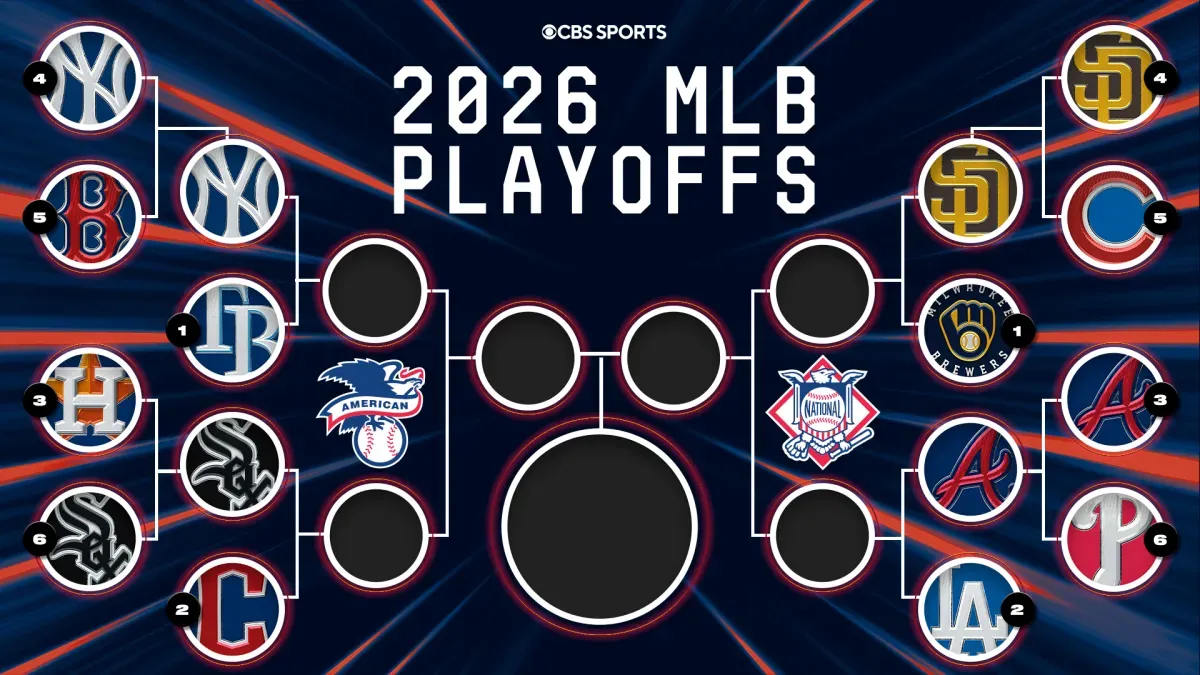
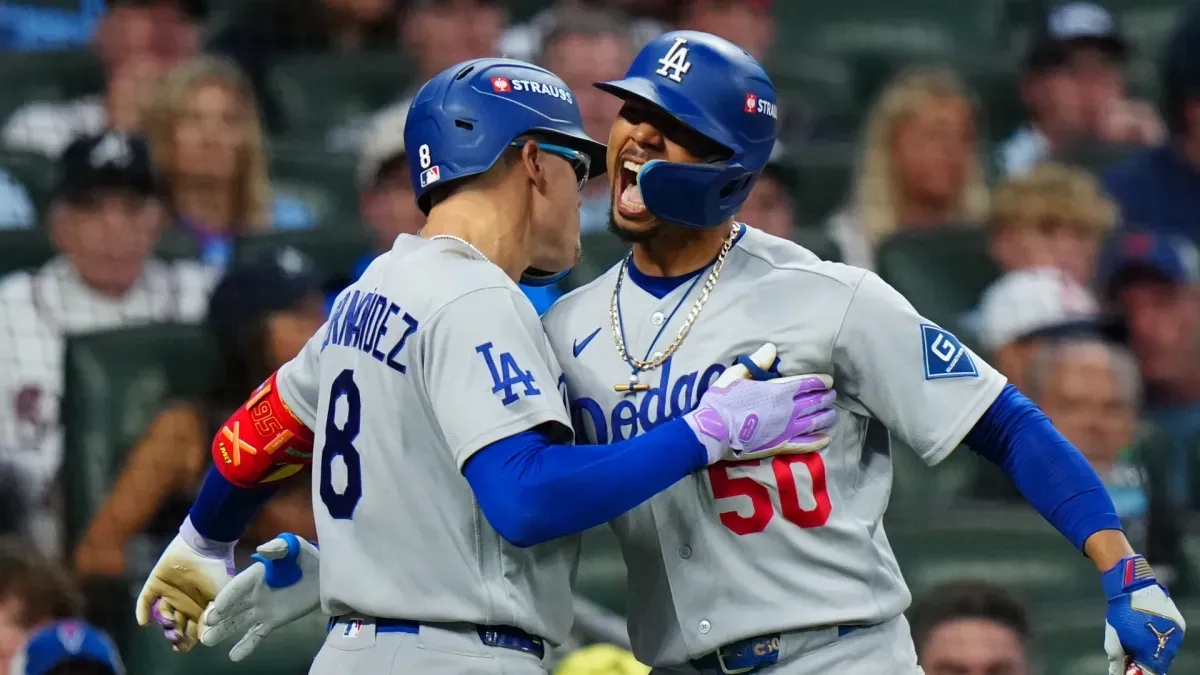
In the National League, the Los Angeles Dodgers secured their place in the NLCS by defeating the Atlanta Braves in Game 4, ending their season.
Meanwhile, the Milwaukee Brewers eliminated the San Diego Padres to set up a matchup against the Dodgers in the NLCS. On the American League side, the Chicago White Sox suffered their first loss of the playoffs as they fell to the Cleveland Guardians, keeping themselves alive for now.
The Tampa Bay Rays completed a dominant three-game sweep over the New York Yankees, sending them packing from the postseason. These developments have left us with several winners and losers from Wednesday's Division Series action.
As we take stock of the latest developments in the 2026 MLB playoffs, it's clear that power hitting has been on full display. The Tampa Bay Rays' Junior Caminero is one player who comes to mind when thinking about this aspect of their game, having hit an impressive 42 home runs during the regular season.
However, a closer look at the team's statistics reveals that other players have also made significant contributions in terms of power hitting. Take outfielder Víctor Mesa Jr. and utility player Ryan Vilade, for instance.
The Rays' lead in Game 3 of their ALDS series against the Yankees grew to 4-2 after they capitalized on a crucial play that turned out to be decisive for the outcome of the game. Although the Yankees managed to draw closer with another run, it wasn't enough to send them to the next round.
Anthony Volpe was one of the few bright spots in Game 3 for the Yankees, displaying impressive skills as he went 2 for 4 and hit a crucial run-scoring double. However, his standout performance was overshadowed by a pivotal moment that would ultimately prove costly for him personally. The play in question involved a ball that appeared to be heading towards the left field wall.
Replays revealed that a fan had reached over the wall and interfered with the ball, altering its trajectory and preventing it from clearing the fence. As a result, the Replay Official overturned the initial call of a game-tying home run, instead ruling it as a double. This dramatic turn of events left Volpe, who had initially thought he had hit a game-changer, feeling disappointed.
The official explanation for the reversal came in the form of a statement from MLB's Replay Center, which confirmed that after reviewing all relevant angles, they definitively determined that spectator interference had occurred over the field of play. The call was overturned accordingly, with one run being scored and Volpe placed at second base instead of circling home plate.
Volpe's performance in Game 3 marked his only start during the ALDS series, as well as his first outing since Game 1 of the Wild Card Series against the Red Sox. In that earlier game, he had gone 1 for 3. While it is difficult to say whether Volpe's presence would have made a significant difference in the outcome of the series, one thing is certain: fan interference played a crucial role in altering the course of the game.
The incident serves as a poignant reminder of the unpredictability of sports and the impact that a single play can have on the overall result. In this case, Volpe's momentary lapse of fortune was particularly striking, given his otherwise impressive display of skill and determination throughout the game.
Despite the setback, Volpe's productivity remained evident, even if it didn't quite translate to the desired outcome. As he navigates the challenges of professional baseball, he will undoubtedly draw valuable lessons from this experience and continue to hone his skills in preparation for future opportunities.
The Milwaukee Brewers' relief corps played a crucial role in stifling the Padres' offense during their NLDS matchup.
In Game 4, every batter in the Brewers' starting lineup managed to get at least one hit, except for No. 9 hitter Joey Ortiz. The exception was notable, as Bauers reached base four times and Mitchell had a single and a triple that proved particularly valuable.
The Padres struggled to find any momentum against the Brewers' bullpen, managing only three hits in their final game of the season. Their offense, which had been relatively modest throughout the regular season, failed to deliver when it mattered most.
Fernando Tatis Jr.'s home run in the third inning was a rare bright spot for the Padres, but it ultimately proved to be their last hit of the series. The team's inability to capitalize on scoring opportunities was a recurring theme throughout the NLDS.
The Brewers' relief corps, which played a key role in the team's victory, limited the Padres to just three hits and zero runs with runners in scoring position. This suffocating performance was a testament to the team's ability to adapt and execute under pressure.
Craig Stammen's lineup struggled mightily against the Brewers, with the No. 4 through No. 9 hitters combining for an impressive 0 for 18 at the plate. The Padres' inability to generate any consistent offense ultimately proved to be their downfall.
The lack of production from San Diego's top players was particularly striking, as they were unable to muster even a single hit from their bottom half of the lineup in Game 4. This failure to deliver when it mattered most sealed the team's fate and sent them packing from the playoffs.
The San Diego Padres came agonizingly close to tying the score in the seventh and eighth innings of their game against the Los Angeles Dodgers, but ultimately fell short.
In the eighth inning, Manny Machado's powerful swing produced a near-miss, as his 106.7 mph shot was caught by Garrett Mitchell just shy of clearing the wall.
The Padres' inability to deliver clutch hits throughout the series was evident in this moment, and it highlighted their struggles at the plate during the postseason.
Despite entering Game 4 with only seven home runs accounting for their 10 runs, the Dodgers managed to maintain a 2-1 lead in the best-of-five series. Their offense had been stagnant, with a dismal 0-for-13 record when runners were in scoring position.
In contrast, the Dodgers' defense made an early error that scored them a run, and it marked one of their few successful plays at the plate all game.
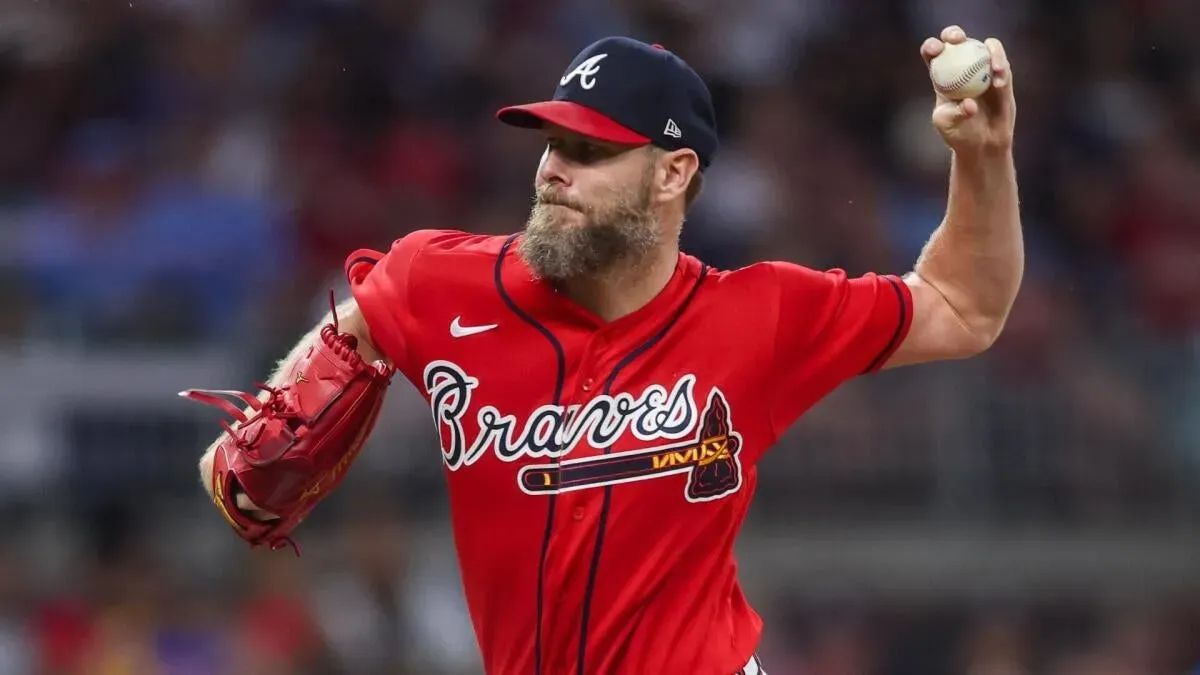
As the seventh inning approached, the score was tied at 1-1. Braves reliever Didier Fuentes took the mound with a runner on base and two outs, but he walked two consecutive Dodgers hitters before manager Walt Weiss brought in veteran Robert Suarez to face Andy Pages.
Pages' clutch single up the middle scored two crucial runs for the Dodgers, marking a pivotal moment in the game that ultimately sealed the Padres' fate.
The Braves' struggles at the plate continued in Game 4 of their series against the Dodgers, thanks in part to a stingy pitching performance from Tyler Glasnow, who issued five walks.
These free passes gave the Braves multiple chances to score runs, but they were unable to capitalize on them as effectively as Los Angeles did. A key turning point came when Ozzie Albies doubled in the sixth inning, only to be left stranded.
This particular double was notable for its similarity to home run distances at other ballparks, with Statcast estimating that it would have cleared the wall in 29 of the 30 MLB stadiums. However, the Braves' luck on this occasion did not hold out.
Another scoring opportunity slipped away when Mauricio Dubón hit a two-out liner that Kyle Tucker managed to catch, despite its high expected batting average.
The Braves had already been plagued by poor hitting with runners in scoring position throughout the series. In Game 1, they came up empty-handed four times in such situations.
In the second game, their win was tempered by leaving 11 men on base. Their struggles continued in Game 3, where they were unable to score after coming close.
The same pattern held true in Game 4, with the Braves failing to score despite having runners on base throughout the contest. This led to a dismal 0 for 7 performance with runners in scoring position.
In total, the Braves' inability to capitalize on their chances left 28 men stranded over the four-game series, resulting in a dismal 1 for 23 record when it mattered most.
The Guardians' Trent Adell delivered a crucial blow in Game 3, crushing a three-RBI triple that gave his team a commanding 4-1 lead and sealed their chances of winning the game at 78.8%.
This monumental hit marked a turning point in the series, as it moved the needle significantly in favor of the Guardians. The impressive feat also made Adell the 16th player in postseason history to achieve this rare distinction.
The White Sox had opportunities to capitalize on their chances and put up big numbers in crucial innings but were unable to do so. Despite getting a single run in three frames, they came away empty-handed, leaving fans wondering what could have been if they had managed to break through.
Playing in front of an electric home crowd that was eager to witness the team's first postseason series clinch at home since 1906 added to the tension and pressure on both teams. However, it ultimately proved to be a missed opportunity for the White Sox to make a statement and shift momentum in their favor.
The Guardians' victory marked a successful conclusion to the series, with Adell's triple serving as the decisive factor that swung the outcome in their favor.
Facts based on reporting originally published by CBS Sports.
You may republish this story, in full or in part, if you credit News Central Site and link to it (licence CC BY 4.0). Photos are not included.