Mice Invading Homes Across Regions This Fall
Reports are emerging of mice invading homes across various regions this fall, often leaving behind telltale signs such as dark droppings or holes in food packets.
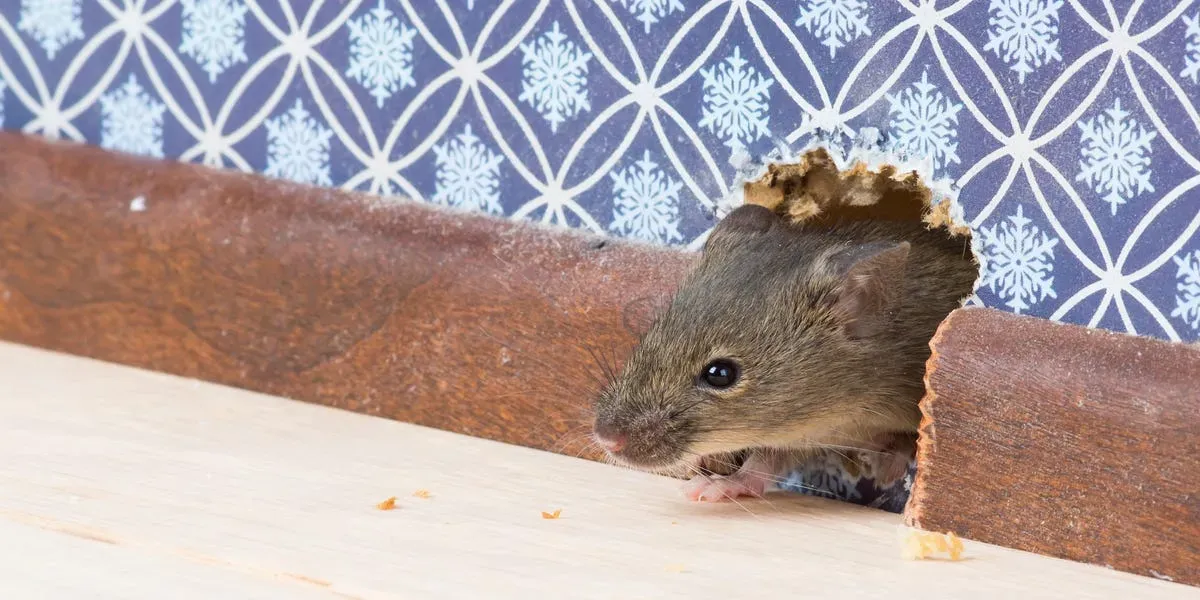
Reports are emerging of mice invading homes across various regions this fall, often leaving behind telltale signs such as dark droppings or holes in food packets.
Some people may discover the presence of rodents through unusual noises, like scratching sounds at night, while others might catch a glimpse of a mouse scurrying across the kitchen floor. This phenomenon appears to be widespread, with many individuals knowing someone who has recently encountered unwanted rodent residents in their homes.
According to experts, the changing season is likely contributing to the surge in pest activity. Ed Dolshun, vice president of business development and technical director at Catchmaster, explains that mice do not hibernate like some other animals, which means they are active year-round.
As temperatures drop outside, mice are seeking warmer and more reliable sources of sustenance, leading them to invade homes this fall.
Mice are opportunistic feeders that can thrive on surprisingly small amounts of food, making it easy for them to make a meal out of leftovers or spills in the kitchen. They are also attracted to pet food and birdseed stored in garages or outdoors, which can become a major draw for these rodents if left unsecured.
The garage is often the unwitting source of mouse infestations, as mice will travel from there into homes at night, drawn by the scent of food and warmth.
When storing items in the home, it's essential to consider the potential shelter they can provide for mice. Cardboard boxes, stored fabrics, and undisturbed corners can give these pests the materials and quiet places they need to nest.
One common indicator of a mouse infestation is droppings. Since mice are nocturnal, scratching noises heard after dark may also be a sign that unwanted visitors are present in the home. If fresh droppings are discovered, note their location and inspect nearby cupboards, appliances, and possible entry points for further signs of mouse activity.
Checking areas beyond the kitchen is crucial when trying to keep mice out of the home. This includes garages, cupboards, attics, and storage areas, where food, droppings, or nesting material may be found. Mice can squeeze through surprisingly small openings around pipes, cables, doors, windows, and the roofline, making it essential to check for gaps in these areas.
It's essential to maintain clear air flow by keeping air vents and air bricks unobstructed for proper ventilation. This allows fresh air to circulate and helps prevent moisture buildup that can attract pests.
If signs of mice persist after removing food sources and sealing entry points, it may be necessary to contact a pest-control professional for further assistance. They can investigate the source of the infestation and provide guidance on how to effectively resolve the issue.
Facts based on reporting originally published by Good Housekeeping.
You may republish this story, in full or in part, if you credit News Central Site and link to it (licence CC BY 4.0). Photos are not included.