Mark Cuban Proposes Changes to Healthcare Cost Calculation
Lawmakers in Texas are considering billionaire Mark Cuban's proposal to make healthcare more affordable by allowing insured patients to choose the cheapest option without facing penalties or repercussions.
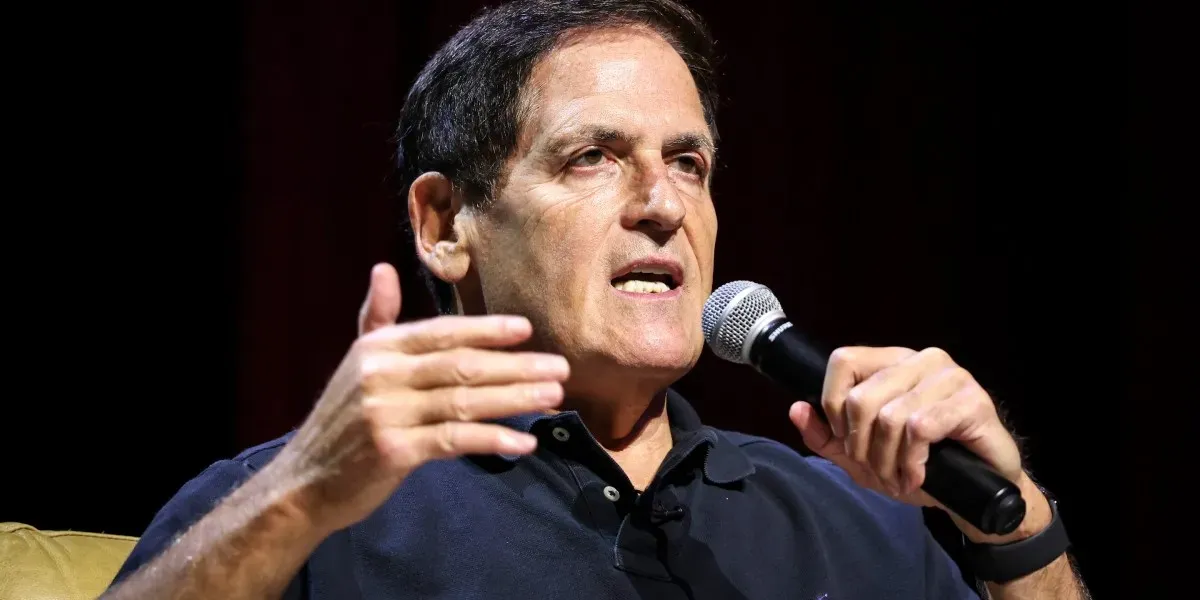
Billionaire Mark Cuban's proposed solution to make healthcare more affordable has drawn attention from lawmakers in Texas. At a recent hearing, Cuban revealed that many customers flocking to his low-cost pharmacy, Cost Plus Drugs, already have insurance coverage.
However, these individuals are still opting for the cash price at his pharmacy because it is often lower than what their insurance plan requires them to pay. This phenomenon has led Cuban to advocate for change in the way healthcare costs are calculated and managed.
In order to address this issue, Cuban's proposed five-step plan includes allowing insured patients to choose the cheapest option without facing penalties or repercussions. This would mean that if a prescription costs $500 through insurance but only $100 at Cost Plus Drugs, the patient should be able to take the cheaper route and have that spending count towards their deductibles and out-of-pocket maximums.
According to Cuban, patients should not be penalized for making informed decisions about their healthcare expenses. Instead, they should be rewarded for saving themselves and their health plan money by taking advantage of lower prices.
The contracts between pharmacy benefit managers (PBMs) and government entities can be lengthy and complex, making it difficult to identify potentially harmful terms.
Mark Cuban has coined the term "contractual terrorism" to describe this practice, which he believes is unfair to taxpayers who foot the bill for these services.
He suggests that a model PBM contract could be created as a template for cities, counties, and school districts to use when negotiating with PBMs.
Government entities should be required to disclose pricing data in taxpayer-funded programs such as Medicare and Medicaid, including rebates, fees, guarantees, and affiliate compensation.
Without access to this information, Cuban argues that the market cannot function efficiently when one party holds all the knowledge.
This lack of transparency makes it difficult for employers and plan sponsors to compare fees and negotiate better deals.
Gag clauses in PBM contracts prevent employers and plan sponsors from openly discussing their contract terms, which Cuban believes blocks them from making informed decisions about their healthcare costs.
Cuban's campaign against high drug prices has attracted some unexpected supporters in Washington. The White House-backed discount drug site, TrumpRx, recently partnered with Cost Plus Drugs and other online pharmacies to offer more than 600 generic medications at discounted rates.
This alliance puts Cuban on the same side as President Donald Trump, who was critical of him during the 2024 campaign. Despite their past differences, Cuban has now thrown his support behind the Break Up Big Medicine Act, a bill proposed by Senators that aims to prevent a single company from owning both an insurer or pharmacy benefit manager (PBM) and medical providers.
Cuban's backing for this legislation underscores his commitment to tackling rising healthcare costs. He recently argued that these costs are the main threat to American jobs, rather than AI or automation, highlighting the urgency of addressing the issue.
Facts based on reporting originally published by Fortune.
You may republish this story, in full or in part, if you credit News Central Site and link to it (licence CC BY 4.0). Photos are not included.