Luxury Brands Capitalize on Growing Commercial Potential of Diwali
Luxury brands are increasingly incorporating the Hindu festival of lights into their marketing strategies as India's luxury market grows.
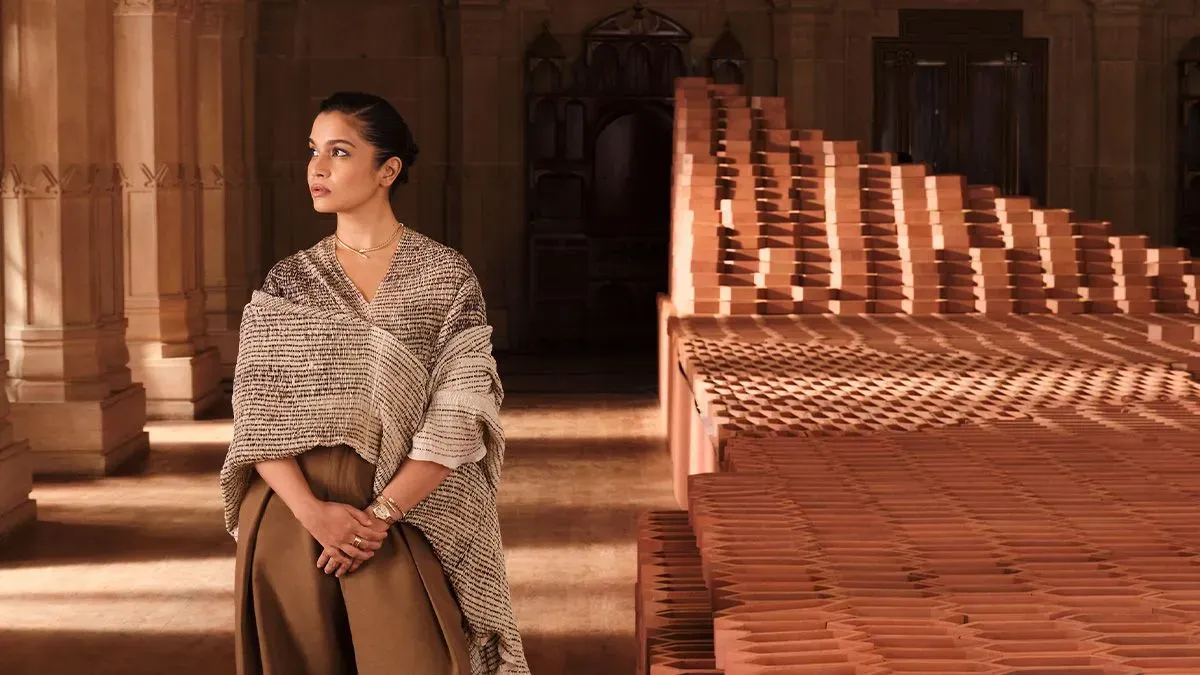
Diwali, the Hindu festival of lights, is gaining traction on the international luxury scene as brands seek to capitalize on its growing commercial potential and connect with affluent Indian consumers.
Although some luxury brands have successfully incorporated other cultural festivals like Ramadan and Lunar New Year into their marketing strategies, Diwali remains a relatively new territory for them.
The five-day celebration, which begins with Dhanteras and culminates in Bhai Dooj, holds significant cultural and symbolic meaning across India, particularly in the realm of gifting and acquiring new items.
Diwali is observed not only by Hindus but also by Jains and Sikhs, each bringing their unique traditions and customs to the celebration.
The festival's dates are determined by the lunar calendar, with this year's main day, Lakshmi Puja, falling on November 8.
India's position as one of the world's five fastest-growing luxury markets, valued at approximately $12 billion according to Euromonitor International's research, presents a unique opportunity for brands to tap into the cultural significance and commercial potential of Diwali.
The celebration of Diwali is gaining momentum globally, with luxury brands taking notice and participating in various events around the world.
In New York City, Sabyasachi's Diwali reception at the Metropolitan Museum of Art on October 21 is a significant event, while Cartier will once again host its annual Diwali celebration at its Fifth Avenue Mansion. Meanwhile, entrepreneur and influencer Anjula Acharia's All That Glitters ball has become an anticipated occasion.
Across the Atlantic in London, the UK-India Creative Circle (UKICC) has organized a highly anticipated Diwali celebration at the Royal Automobile Club, drawing together British and Indian creative industries. This event is part of the city's growing tradition of celebrating the festival with pomp and grandeur.
However, despite the increasing popularity of Diwali celebrations in London, international luxury brands seem to be taking a step back this year, with fewer high-profile events compared to last year. Brands like Jimmy Choo and Cartier had made significant appearances at Diwali events in the city previously, but their absence is notable.
In Dubai, which boasts a large community of wealthy Indians, there appears to be a lack of enthusiasm for Diwali celebrations among luxury brands. The city's usually vibrant atmosphere during the festival season seems muted this year, with fewer events and activations on offer.
As brands struggle to find their footing in India's rapidly growing luxury market, they are advised by industry experts like Sumeet Yadav, head of Reliance Brands Limited, to focus on creating distinctive experiences that resonate with consumers.
The campaign's use of light as a metaphor for tradition passing between generations resonated with Indian creatives involved in its creation.
This connection was genuine and integral to the project's success, according to industry experts.
By extending the installation into digital and retail experiences across Bvlgari's global stores, the initiative achieved a cohesive feel that tied its Indian creative roots to its international audience.
The campaign's thoughtful approach sets it apart from one-off events that may not leave a lasting impact.
Reliance Brands' portfolio showcases successful collaborations with luxury brands, including Ferragamo and Valentino, which have successfully adapted their offerings for India's unique market.
Ferragamo's first-ever Diwali capsule collection, crafted exclusively for the Indian market, stands out as an example of this adaptation.
The Indian diaspora is eager for luxury brands to create more immersive and authentic Diwali experiences. Currently, events are largely driven by individuals rather than companies, according to Jessel Taank, publicist for Oushq, a platform that pairs editorial storytelling with e-commerce.
Oushq marked the festival of lights on October 19 with an evening co-hosted by Pritika Swarup, founder of Prakti Beauty, and the Council of Fashion Designers of America at The Standard Hotel in New York. This event showcased the potential for luxury brands to collaborate with local organizations and individuals who understand the significance of Diwali.
Taank emphasizes that international houses should work with someone who knows the festival's narrative and can lead the way. She suggests that this approach will enable more authentic celebrations, rather than superficial attempts at participation. Sabyasachi's collaboration with the Metropolitan Museum of Art on October 21 is an example of this strategy in action.
The designer has been working with the Met for several years and is now hosting a Diwali reception at the museum, marking the first time such an event will be held there. This partnership demonstrates how luxury brands can work with cultural institutions to create meaningful experiences that honor the festival's traditions.
Meanwhile, London's celebrations remain less developed than those in New York, despite having its regulars. The UKICC's party at the Royal Automobile Club on October 30 features a couture show by Anamika Khanna and jewelry by Amrapali, offering a more direct celebration of Diwali.
A trunk show at Harrods's Penthouse from November 2-5 with Amrapali will follow this event, further highlighting the efforts of luxury brands to engage with the Indian diaspora during the festival.
A second year of Diwali celebrations at Harrods is underway, with a comprehensive store-wide campaign running until November 8. The luxury department store has transformed its space with a range of activities and displays, including a Diwali gift box and live music performances.
Indian designer Gaurav Gupta will also be presenting as part of the festivities, adding to the excitement of the event. Meanwhile, Selfridges is hosting two exclusive events in celebration of Diwali, with Indian luxury brand Abu Jani Sandeep Khosla taking centre stage at 40 Duke on October 24.
Rahul Mishra will also be hosting a Diwali-themed soirée at the same venue on November 3. These shopping-based activations are just one aspect of the celebrations taking place across London, but some industry experts believe that more could be done to truly engage with the Indian diaspora.
Chhavi Seth Mediratta, who has worked with luxury brands such as Tiffany & Co., notes that this year's calendar is quieter than usual. Half-term may play a part in this, but what matters most is whether Diwali features in a brand's long-term plans and budgets.
Brands should show respect for the festival by working with South Asian creatives and communities beyond just the celebration itself, says Mediratta. Consistency year-on-year is key to truly engaging with the Indian diaspora, rather than just treating it as a one-off opportunity.
Dubai, which has a significant Indian population, is noticeably lacking in Diwali celebrations this year. Mukta Shahdadpuri, founder of The Style Circuit, believes that there is a disconnect between luxury brands and the Indian community in Dubai, despite its cultural and commercial significance.
The lack of engagement from luxury brands is being felt by Dipesh Depala, co-founder of Qode, who has been urging brands to embrace Diwali for years.
Luxury brands are being urged to engage more meaningfully with the Indian diaspora during Diwali, as some stores are starting to take note of the festival's significance.
Bloomingdale's Dubai is marking its second year of celebrating Diwali with a special edit featuring fashion, beauty, and gifting options. This move suggests that the store is making an effort to cater to the Indian customer, who is an important demographic in the region.
Chris Bonich, vice president of merchandising at Al Tayer Insignia, which operates Bloomingdale's Dubai, believes that the commitment to Indian customers goes beyond just Diwali celebrations. He sees this as a long-term strategy rather than a one-off event.
There is still much work to be done, however, with many luxury brands yet to fully grasp the importance of engaging with the Indian diaspora during Diwali. According to Dipesh Depala, co-founder of Qode, change is happening but at a slow pace.
Bonich suggests that luxury brands should take it up a notch by hosting major events featuring headline performers and celebrities, similar to other cultural celebrations they participate in globally. This would not only make the festival more inclusive but also position Diwali as an integral part of their international calendar rather than just a one-time event.
In cities with significant Indian populations, brands must collaborate with local creatives, understand the traditions behind Diwali, and invest in experiences beyond visual merchandising. India has already demonstrated what is possible when luxury meets cultural authenticity.
Facts based on reporting originally published by Vogue.
You may republish this story, in full or in part, if you credit News Central Site and link to it (licence CC BY 4.0). Photos are not included.