John Coupland's Book Explores History of Canned Food
The book "Containing Nature: The Ongoing Invention of Canned Food" by John Coupland examines the development of canned food from its origins in 18th-century France.
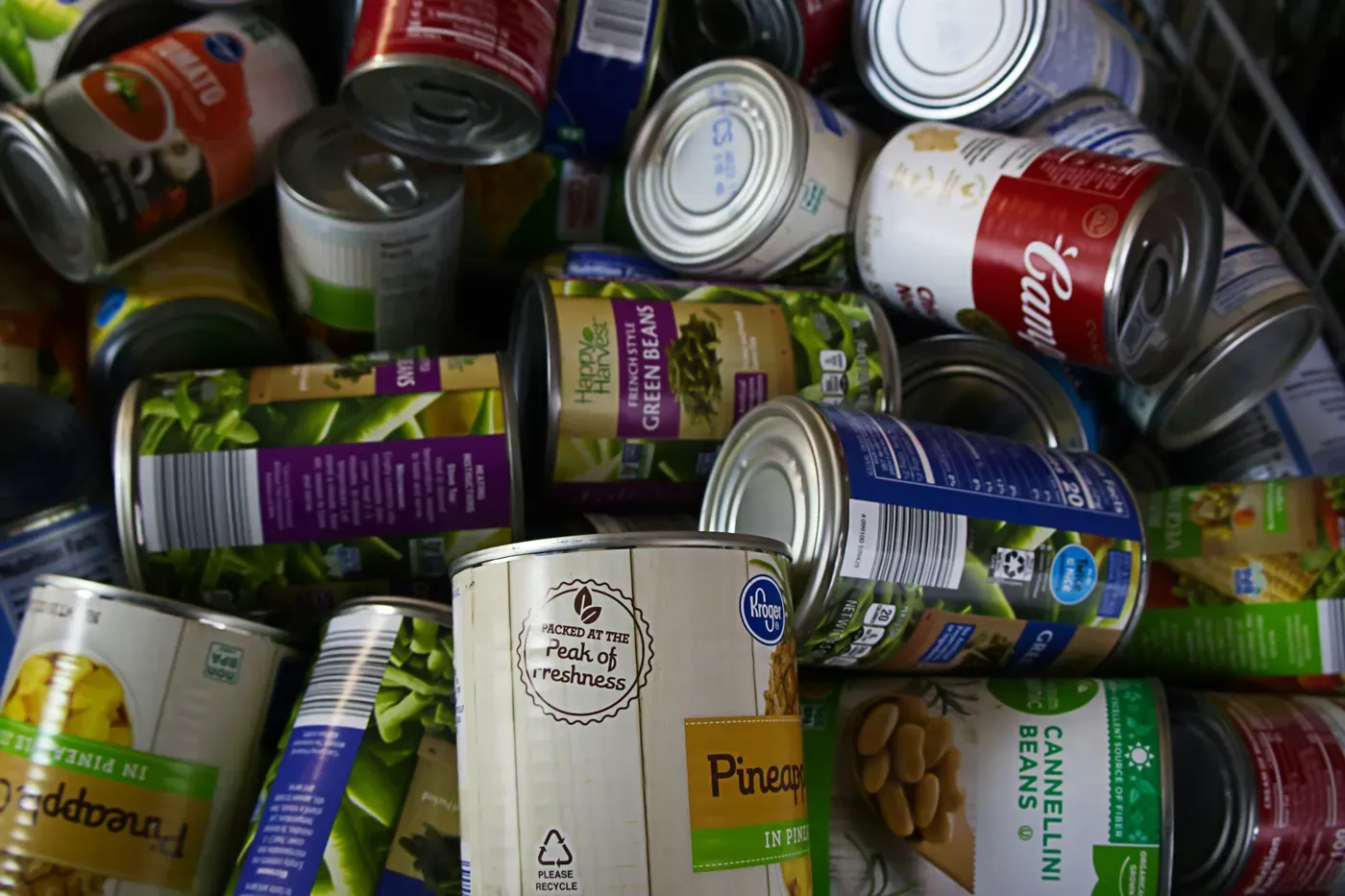
The humble can has been a staple in kitchens around the world for over two centuries, but its evolution is far more complex and fascinating than initially meets the eye. According to John Coupland, professor of food science at Pennsylvania State University, each can represents a rich history of invention, experimentation, and problem-solving.
Coupland's new book, "Containing Nature: The Ongoing Invention of Canned Food," delves into the origins of canned food in late 18th-century France and the scientific breakthroughs, manufacturing advances, and public health innovations that have shaped the modern food system. As he notes, the development of canned food has been a gradual process, with many unexpected twists and turns along the way.
For Coupland, the story of canned food began to unfold decades ago when he visited a local factory as part of his faculty interview at Penn State. What struck him was the vast expertise of the people working there, who had spent generations figuring out how to turn vegetables into a successful business. This experience left a lasting impression on Coupland and sparked his interest in the history of canned food.
As Coupland delves into the fascinating story behind canned food, he reveals unexpected connections between military rations and grocery store staples. He also highlights the surprising ways in which the most familiar items continue to inspire wonder and awe. By exploring the hidden history of cans, Coupland sheds new light on a ubiquitous part of our daily lives.
The evolution of canned food is not just a story about food; it's also a tale of innovation and progress that has transformed the way we live and eat. As Coupland continues to explore this topic in his book, he invites readers to join him on a journey through time, tracing the development of canned food from its humble beginnings to its current status as a global phenomenon.
As Coupland delves deeper into the history of canned food, he reveals that its inventor, Nicolas Appert, was a complex figure with a remarkable background. Born during the French Revolution, Appert played a significant role in the tumultuous period, even escorting King Louis XVI to his execution.
Appert's workshop was destroyed twice during the Napoleonic Wars, yet this did not deter him from pursuing his passion for food preservation. Interestingly, he had no formal scientific training and instead developed his expertise through trial and error while running a high-end grocery store in Paris.
The first scientists who attempted to explain the process of canning were misguided due to their limited understanding of the available knowledge at the time. Their lack of insight was not due to a lack of intelligence, but rather the constraints of the era's scientific landscape.
Advances in bacteriology and food science later shed light on why foods spoil and how preservation methods like canning could prevent it. This marked an important turning point in understanding the process, allowing for revisions and refinements to be made based on new discoveries.
The application of preserved foods was particularly crucial during Britain's Arctic explorations, where naval missions would pay a premium for non-perishable provisions to sustain sailors through extended periods trapped in ice.
The advent of canned food revolutionized long-distance travel by allowing people to venture farther and stay at sea for longer periods without worrying about food spoilage.
Food preservation innovations often emerged in response to pressing needs, particularly those of military expeditions and explorers who required reliable sustenance for extended missions. This practical problem-solving approach has continued to this day, with modern retort pouches tracing their roots back to similar logistical challenges faced by soldiers.
The development of canning was not without its setbacks, however. Despite the use of pressure cookers to sterilize cans, there were instances of botulism due to a lack of understanding about the optimal conditions for sterilization. These tragic cases highlighted the need for a scientific approach to food safety.
In response to these concerns, researchers launched an intensive study in the 1920s to identify the most effective methods for preventing foodborne illnesses like botulism. This research effort led to significant improvements in food safety standards and demonstrated how science can support technological advancements when faced with pressing needs.
The interplay between technology and scientific understanding is a complex one, as evidenced by the history of canning. While innovations often precede a full understanding of their underlying principles, they can still have a profound impact on society, as the case of canned food so aptly illustrates.
The canning industry has continued to evolve over time, driven by new concerns and research questions that have led to improvements in the manufacturing process.
One notable example is the shift away from tin cans lined with plastics containing BPA, which raised health concerns in the 1990s. Despite ongoing debate about the safety of BPA, the canning industry developed alternative linings to minimize potential risks.
The development of new technologies and materials often occurs through a gradual process of incremental improvements, rather than sudden breakthroughs. This is reflected in the story of canned food, where generations of engineers, scientists, and factory workers have contributed to its evolution over time.
This slow and steady approach to innovation has resulted in the widespread availability of safe and convenient food products, such as canned goods, that are a staple in many households around the world.
The accumulation of small improvements and incremental innovations is what ultimately leads to transformative changes in technology and society.
The humble can may seem like a mundane object to many, but its simplicity belies a rich history of innovation and technological advancements.
Noticing the details in everyday objects can be a transformative experience, as it reveals the accumulation of knowledge that has gone into their design and development over generations. The can's compact shape, durable material, and efficient packaging are all testaments to human ingenuity and problem-solving skills. This incremental approach to innovation is what ultimately leads to groundbreaking changes in technology and society.
Facts based on reporting originally published by Phys.org.
You may republish this story, in full or in part, if you credit News Central Site and link to it (licence CC BY 4.0). Photos are not included.