Jane Austen publishes first novel at 35
Sense and Sensibility is an instant success, selling out its initial print run and prompting a second edition within two years.
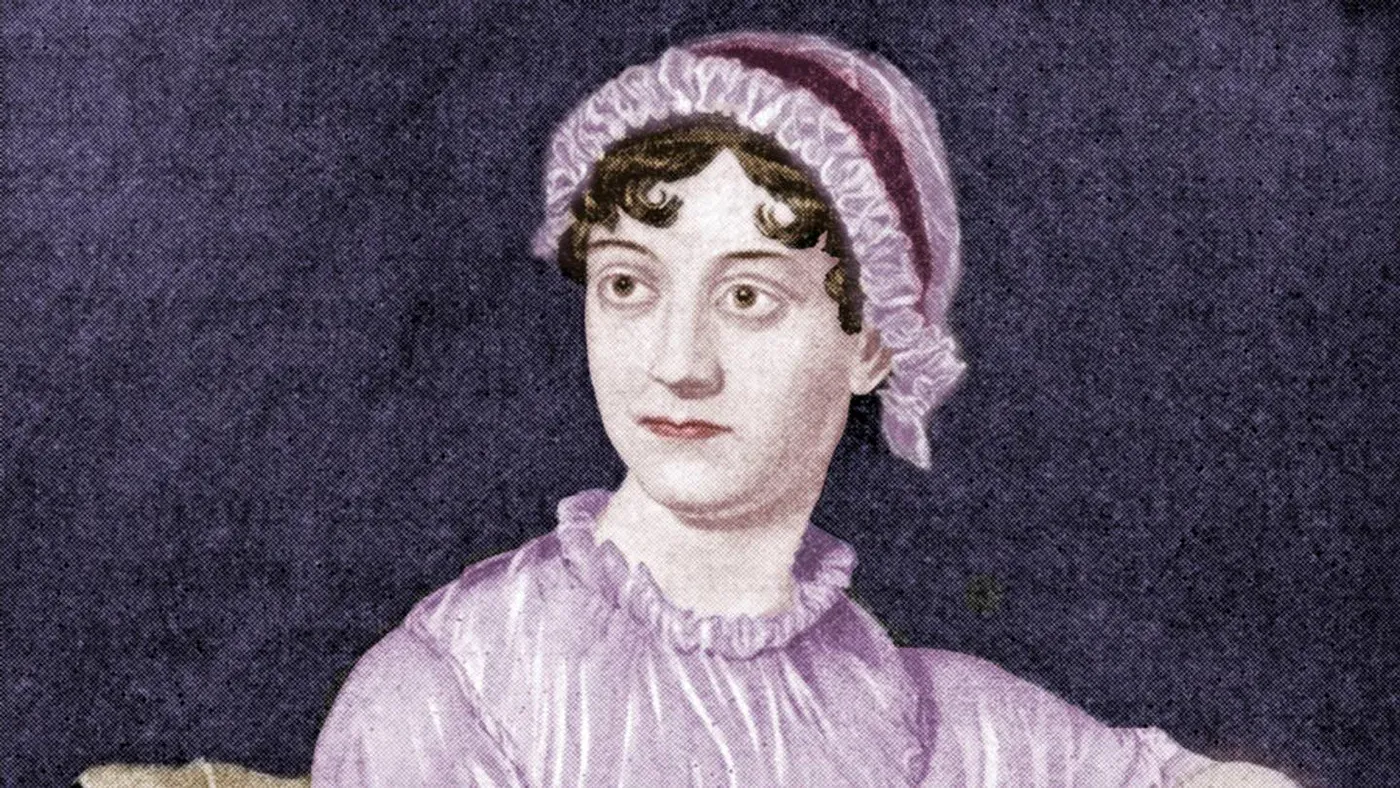
Jane Austen's first published novel, Sense and Sensibility, hit bookshelves in 1811 when she was just 35 years old. The three-volume work was an instant success, selling out its initial print run and prompting a second edition to be commissioned within two years of publication.
The novel's popularity was not limited to its readers; critics also praised the book, which likely contributed to its commercial success. Austen herself shouldered much of the cost associated with printing and publishing Sense and Sensibility, but she still managed to turn a profit from it.
Austen's financial gain from her novel is evident in a letter she wrote to her brother in 1813, where she revealed that Sense and Sensibility had brought her £140. This sum provided her with the financial stability and independence needed to continue writing, a crucial factor for someone who relied on their literary career.
The success of Sense and Sensibility was just the beginning for Austen; over the next few years, she published three more novels: Pride and Prejudice in 1813, Mansfield Park in 1814, and Emma in 1815.
Austen's subsequent novels continued to be released without her name attached, despite their growing popularity.
The first edition of Persuasion and Northanger Abbey, published posthumously in 1817, marked a turning point in Austen's literary legacy. These two novels were the only ones to include a biographical notice of the author, which revealed that they were written by Austen herself.
This notice was thought to have been penned by Henry Austen, who oversaw the publication of his sister's final works after her death at the age of 41. It provided long-overdue recognition for Jane Austen's contributions to literature.
In contrast, Austen's earlier novels were published anonymously, with only a vague attribution to "A Lady" or "the Author of Sense and Sensibility." This lack of transparency was particularly striking given the commercial success and critical acclaim that these novels enjoyed.
Austen's novels began to gain recognition after Sense and Sensibility, which was published in 1811 but credited only to "A Lady. This lack of transparency continued with Pride and Prejudice, released two years later, where Austen was still not named as the author.
However, the publication of Mansfield Park in 1814 marked a subtle shift. Although Austen's name was still absent from the title page, she was now being credited as the author of Sense and Sensibility, and Pride and Prejudice. The use of her previous works to establish her credibility as an author is evident.
Austen had been using pseudonyms for some time. In 1803, she sold the rights to a novel called Susan (which would later be published as Northanger Abbey) to Richard Crosby for £10. To conceal her identity, Austen used the pen name Ashton Dennis in this transaction.
The reasons behind Crosby's decision not to publish Susan remain unknown. As a result, Austen's chosen pseudonym and the novel itself never saw print. This incident highlights Austen's willingness to use anonymity when necessary.
Austen continued to build her reputation as an author without revealing her identity on the title pages of her novels. By 1815, with the release of Emma, she was credited as the author of Pride and Prejudice, etc."
Austen's decision to remain anonymous throughout her publishing life has puzzled scholars for years. Despite her later success and popularity, Austen's name was not credited in any of her novels until much later in her career.
In fact, it seems that Austen's anonymity was more a product of societal expectations than a deliberate choice on her part. As a young woman living in Regency England, literature was not considered a suitable pursuit for someone of her social standing.
At the time, women were expected to maintain a quiet and private life, free from public scrutiny. Publishing novels under one's own name would have been seen as unseemly and even scandalous. It would have drawn unwanted attention to herself and raised eyebrows about her family's reputation.
Many female authors of Austen's era followed the same practice. Mary Shelley's Frankenstein was published anonymously, as were the Brontë Sisters' novels. Gothic novelist Ann Radcliffe also had her earlier works published without crediting her real name.
The notion that literature was an unsuitable profession for women was deeply ingrained in society at the time. Women who pursued writing or other creative endeavors risked being seen as unconventional and perhaps even morally suspect.
Austen's own views on anonymity are unknown, but it is likely that she conformed to societal norms out of a desire to maintain a quiet life and avoid controversy.
In Regency England, where societal norms were strict and unyielding, a woman publishing her own work for financial gain was considered an unconventional pursuit. This mindset likely influenced Jane Austen's decision to remain anonymous as the author of her novels. At that time, literature was not viewed as a suitable career path for women, who were expected to prioritize domestic duties over creative endeavors.
Austen was not the only female writer to conceal her identity during this period. Other notable authors, including Mary Shelley and the Brontë Sisters, published their works anonymously due to societal pressures. Even Gothic novelist Ann Radcliffe's earlier writings were released under a pseudonym. This trend suggests that Austen's decision to remain anonymous was a common practice among women writers of her time.
Austen's family, however, seemed to be aware of her literary achievements and took pride in her success. Her brothers would often speak highly of their sister's work to friends and acquaintances, indicating that they saw no shame in her profession. This open acknowledgment within the family highlights the discrepancy between Austen's public anonymity and her private recognition.
Despite her family's knowledge of her writing, Austen chose to remain anonymous to the wider world. Her decision was likely a reflection of the societal norms that governed women's roles during this period. By concealing her identity, Austen may have avoided drawing attention to herself and the unconventional nature of her profession.
Austen's anonymity had lasting consequences, as she never lived to see her name associated with one of her popular novels. Her literary legacy was only revealed after her passing, when her family's efforts helped to establish her reputation as a writer.
In the end, Austen's decision to remain anonymous is a testament to the societal constraints that governed women's lives during this period in history.
Facts based on reporting originally published by Mental Floss.
You may republish this story, in full or in part, if you credit News Central Site and link to it (licence CC BY 4.0). Photos are not included.