Investigation Underway into CDC Director Erica Schwartz
House Democrats are investigating Dr. Erica Schwartz over concerns about her leadership and policies at the Centers for Disease Control and Prevention.

Dr. Erica Schwartz, head of the Centers for Disease Control and Prevention, is under investigation by House Democrats and facing calls to resign just three months into her tenure.
The scrutiny has left a trail of concern among outside health professionals, who are alarmed by developments at the nation's top public health agency. Staff morale, already low, has plummeted further according to employees.
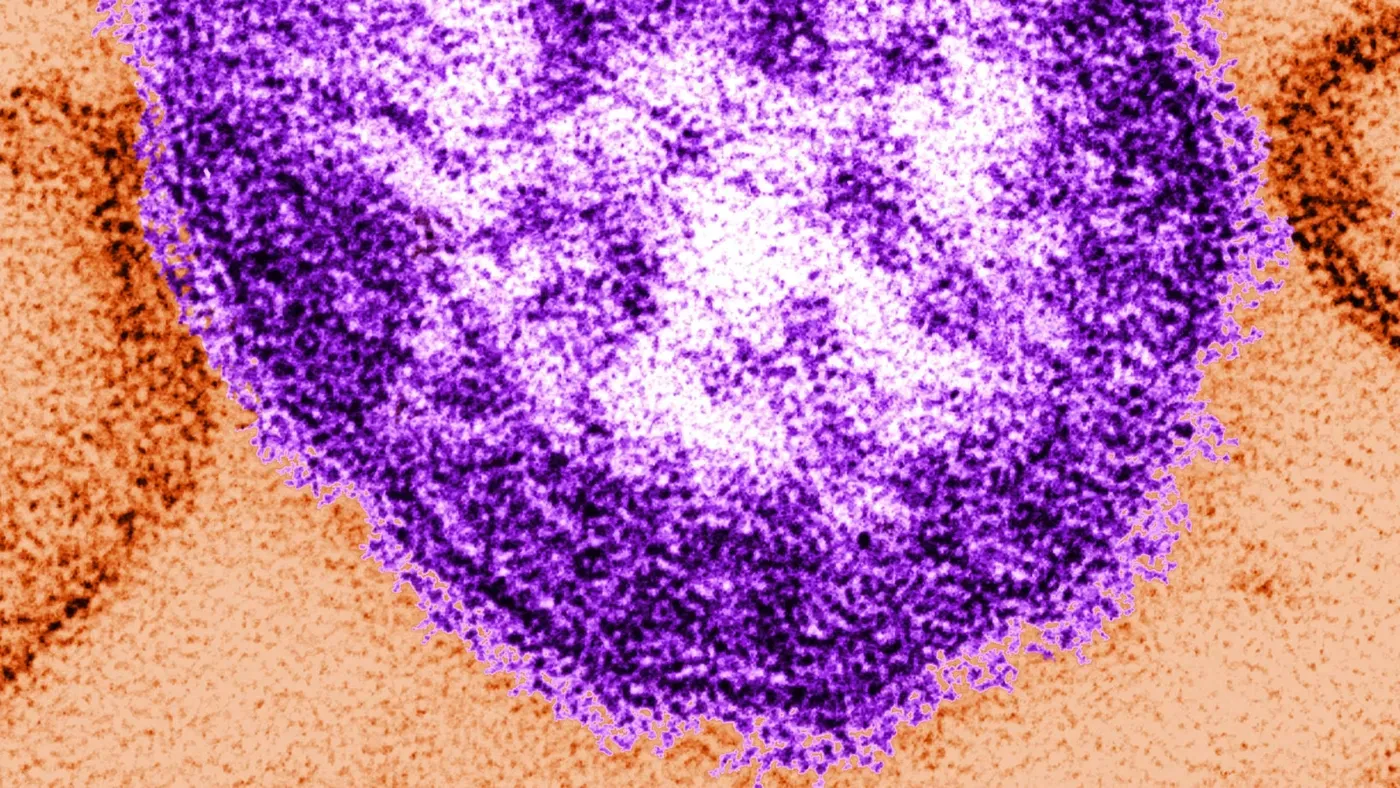
Schwartz took over the CDC during a particularly challenging period, marked by the worst US measles epidemic in decades, a major dengue fever outbreak in Florida and the fastest-growing Ebola outbreak overseas in history.
Health experts point out that Schwartz's boss, US Health Secretary Robert F. Kennedy Jr., is a long-time critic of vaccines and federal public health policy. His influence has also been credited with decimating CDC staffing last year.
Noel Brewer, a University of North Carolina professor of public health, believes Schwartz faces an uphill battle due to her difficult circumstances: "She has a tough job at a tough time and a tough boss," he said.
In response to criticism, Schwartz defended her work in an interview with The Associated Press. She acknowledged that some of the backlash is based on misconceptions about her policies and insisted she's making progress towards restoring trust in the CDC.
Schwartz also admitted to having made mistakes while leading the agency, but emphasized her commitment to serving the American people: "I do understand why people have concerns," she said from her home in Naples, Florida.
As CDC director, Rochelle Walensky has been facing intense scrutiny from lawmakers and her own employees, with some expressing serious doubts about her leadership.
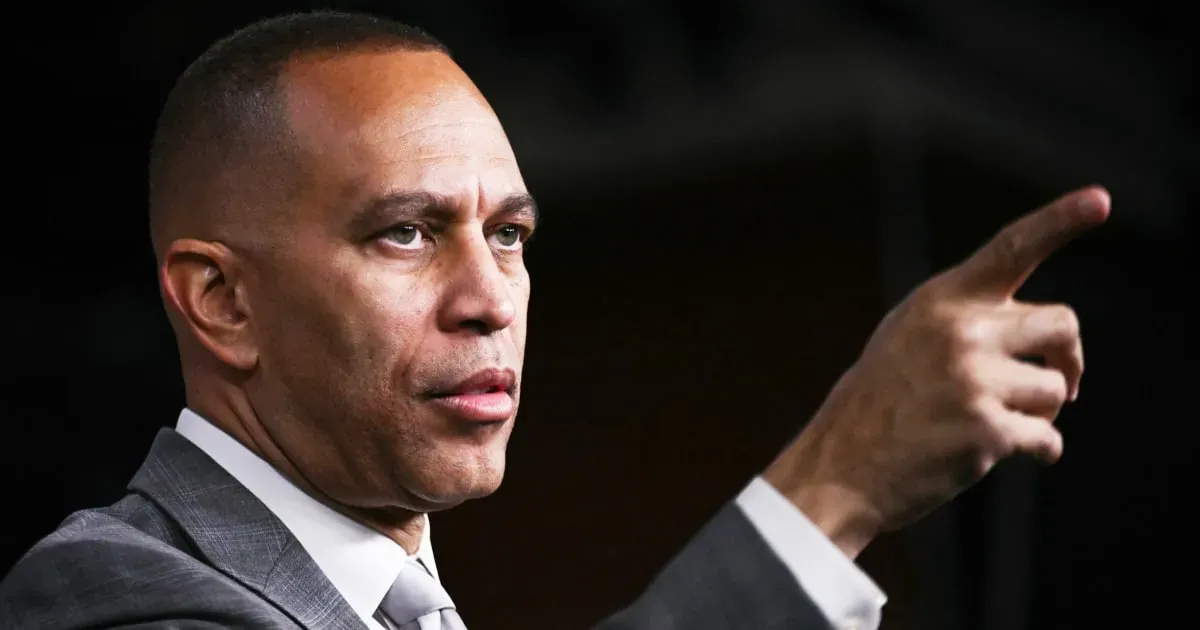
U.S. Senator Michael Bennet, a Colorado Democrat, spoke bluntly about his concerns, stating "I have no confidence that she will do what it takes to course-correct at the CDC, and she should resign immediately."
The nomination of Walensky was initially met with cautious optimism by many public health leaders, who recognized the agency's need for steady leadership after a tumultuous year.
Prior to her appointment as CDC director, Walensky held several high-profile positions, including chief medical officer for the U.S. Coast Guard and deputy surgeon general in the U.S. Public Health Service.
In these roles, she oversaw numerous health facilities and led teams of uniformed medical professionals at government agencies, gaining valuable experience that could inform her leadership of the CDC.
The agency has been through a significant period of upheaval, with around 30% of its staff leaving due to layoffs, resignations, or retirements under outgoing director Robert Redfield's tenure.
Walensky pledged "radical transparency during her nomination hearing, vowing to rebuild trust in the agency by prioritizing science and speaking truthfully even when it's difficult.
As the new CDC director settled into her role in mid-August, some employees began to feel a sense of unease.
A week after starting, Schwartz held an all hands meeting where she vowed to be an advocate for the agency and said she wouldn't hesitate to disagree with Kennedy, but only behind closed doors.
This subtle nuance didn't sit well with many CDC health scientists who felt that Schwartz was being too cautious in her approach.
One employee, who spoke on condition of anonymity for fear of retribution, expressed their concerns saying I don't have a clear sense of what is important to her, what are her red lines.
The lack of transparency surrounding Schwartz's priorities and boundaries has led some to question whether she truly intends to prioritize science over politics.
Despite promising radical transparency during her nomination hearing, Schwartz's actions so far suggest otherwise, especially when it comes to releasing public information about herself.
A statement released by the CDC highlights Dr. Schwartz's leadership skills and commitment to reforming the agency, but some lawmakers are questioning her approach to public health issues.
Democratic legislators have accused Schwartz and Kennedy of downplaying the severity of the measles outbreak, a claim that has raised concerns about the accuracy of death tolls reported by the CDC.
A new policy implemented by the CDC requires review of death certificates before counting measles-associated deaths, resulting in significantly lower numbers than those reported by states. The change has led to criticism from lawmakers who argue it artificially reduces the number of reported deaths.
The CDC's decision to adopt a uniform definition for what constitutes a measles-related death has been challenged by some Democratic legislators, who claim it is an attempt to downplay the severity of the outbreak. They are calling on Schwartz to provide more transparency in her handling of public health data.
A statement from Reps. Frank Pallone Jr., Diana DeGette, and Yvette Clarke expresses concern that the CDC's actions are not only misleading but also pose a threat to Americans' health. The lawmakers have launched an investigation into the matter, which will examine whether changes to Schwartz's statutory authority are required.
Despite their concerns, Schwartz maintains that she is being transparent about her decisions and has accused congressional staffers of trying to spin a narrative that isn't supported by facts. She claims there is no hidden agenda behind the CDC's revised policy on measles death counts.
Some current CDC employees have expressed similar skepticism about Schwartz's leadership, with eight workers speaking anonymously to a major news organization about their concerns. Their comments suggest that while some were initially hopeful about her tenure, many have lost confidence in her ability to effectively lead the agency.
The uncertainty surrounding the leadership at the Centers for Disease Control and Prevention (CDC) has continued unabated, with employees expressing disillusionment about the agency's direction under its current director.
Several CDC staff members have expressed disappointment that they had not seen more significant improvements or stability during their tenure, despite initial hopes. Their comments suggest a growing sense of frustration among agency personnel.
One individual who has been associated with controversy is Caroline DeBerry, a former vice president at a conservative think tank and author of several novels. She was appointed as the acting director of communications in August, but her tenure has been marked by a series of issues.
According to CDC employees, all website updates ground to a halt while awaiting DeBerry's approval, leading to concerns about the agency's ability to communicate effectively. When asked about this incident, Schwartz attributed it to a bit of clunkiness and stated that DeBerry is currently on terminal leave.
DeBerry's last day at the CDC will be in December, but details about her departure remain scarce. Some employees have expressed irritation about the lack of transparency surrounding key personnel changes within the agency.
The presence of security guards accompanying Schwartz around the CDC campus has also raised eyebrows among staff members. While she acknowledged that she had initially been accompanied by a large group of guards at the recommendation of security leadership, the number has since been reduced to one plainclothes guard.
This increased security detail has led some employees to speculate about the reasons behind it, with one health scientist commenting that it feels like they're afraid of us."
The CDC's research publications directive has left many employees questioning the motives behind it.
Two scientists who attended a recent meeting claimed that they were explicitly told to refrain from submitting their work to certain journals, including Pediatrics and Clinical Infectious Diseases, which are respected in their fields.
This directive was reportedly given verbally, but no written record of it exists, fueling speculation about its origins.
HHS officials have denied any involvement, stating that the directive was never issued by Kennedy or any other CDC official.
The rift between employees and leadership has become increasingly apparent, with many feeling that they are being micromanaged.
Facts based on reporting originally published by ABC News Health.
You may republish this story, in full or in part, if you credit News Central Site and link to it (licence CC BY 4.0). Photos are not included.