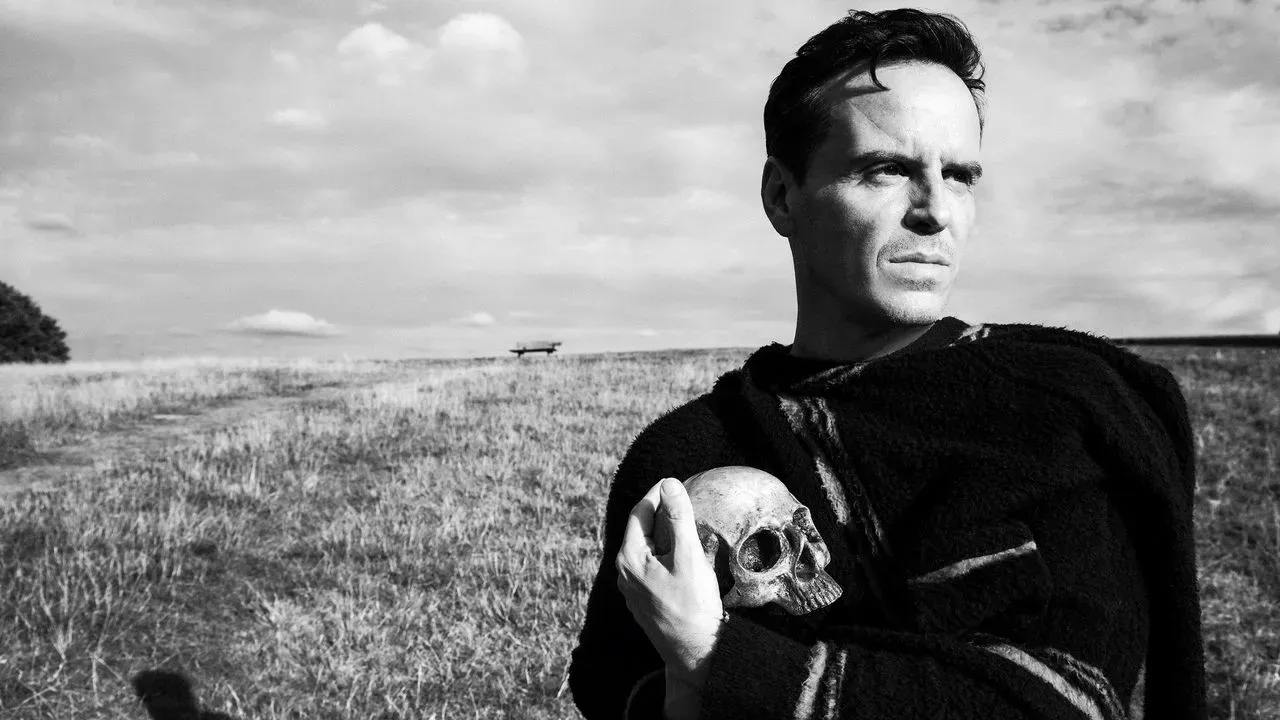
Hollywood Production Shoots Film on Remote Easter Island
A Hollywood production has made history by shooting on the remote Pacific outpost of Easter Island, also known as Rapa Nui.
A Hollywood production has made history by shooting on the remote Pacific outpost of Easter Island, also known as Rapa Nui. Director Martin McDonagh's film, Wild Horse Nine, a dark comedy-thriller starring John Malkovich and Sam Rockwell, follows two CIA operatives on their 1973 mission to the island.
Wild Horse Nine is not only the largest Hollywood production ever shot on Rapa Nui but also only the second in history. The logistics of filming on the island were immense, including shipping period sets by boat over 2,200 miles from South America. This endeavor required meticulous planning and coordination with local officials to ensure that film locations did not disrupt the island's archaeological sites or its sacred culture.
The crew worked closely with Rapa Nui National Park authorities, as almost half of the island is protected within the park's boundaries. The island's remote location and protected areas presented significant challenges for filming, but the team was determined to capture the unique setting on camera.
Easter Island has become a sought-after destination for film crews due to its distinctive landscapes and cultural significance. However, visitors must carefully plan their trip to respect the island's preservation efforts and sacred Rapa Nui culture.
Easter Island is a remote outpost in the eastern Pacific Ocean, situated 2,200 miles west of mainland Chile and part of the Polynesian island chain. Its isolation has contributed to its unique cultural identity, making it an intriguing destination for travelers.
To reach Rapa Nui, visitors must take a five-hour flight from Santiago, Chile, often with limited flight connections available. This long-haul journey makes it essential to plan ahead and allocate sufficient time on the island. According to Carola Fresno, Timbuktu Travel's Latin America specialist, "I think there's something incredibly special about traveling somewhere that still requires a little more effort to reach."
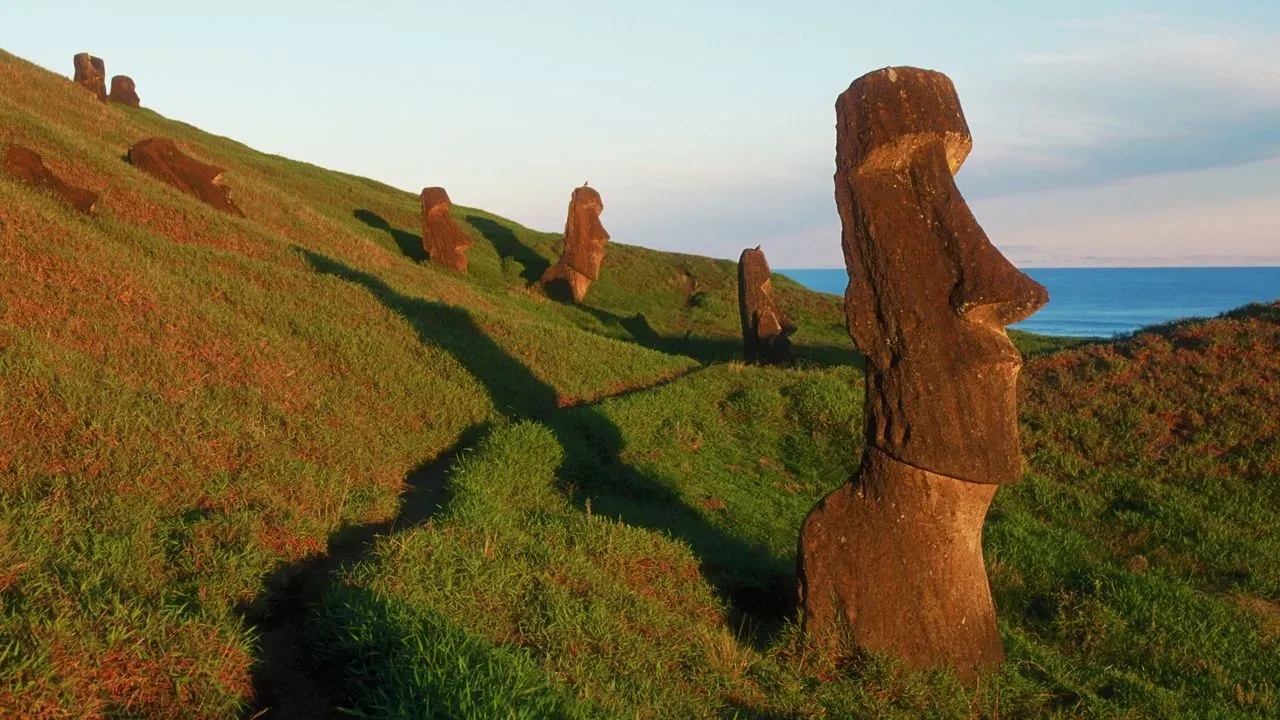
Given the lengthy travel time, Fresno recommends a minimum three-night stay on Rapa Nui to allow for proper exploration and cultural immersion. However, she suggests four or five nights would be ideal if feasible. This extended period will enable visitors to delve deeper into the island's rich heritage beyond its famous moai statues.
For an immersive experience, travelers can opt for Nayara Hangaroa, a coastal resort situated within walking distance of the main town, providing easy access to local attractions and amenities.
The guest rooms at Nayara Hangaroa feature private terraces, providing an intimate connection to the island's natural surroundings. The design of these accommodations is characterized by the use of materials such as cypress logs, clay, and volcanic stone, blending seamlessly into the environment.
In addition to its eco-friendly initiatives, Nayara Hangaroa has implemented a local project that collects and recycles microplastics from the surrounding ocean. This waste material is then transformed into moai figurines, serving as a unique reminder of the importance of protecting the island's ecosystem.
Guest experiences at Nayara Hangaroa are curated by the Hitorangi family, who are part-owners and cultural stewards of the resort. Visitors can participate in traditional dance classes, cooking demonstrations, or visit a local beekeeper to learn about the distinctive honeybees found on Rapa Nui, which are believed to be among the world's healthiest.
For visitors who wish to explore Easter Island independently, it is possible to rent a car, scooter, or bicycle. However, many archaeological sites require an accredited local guide due to regulation.
The remote shores of Easter Island are now attracting visitors inspired by its starring role in the film 'Wild Horse Nine'. A luxury tour operator has teamed up with Searchlight Pictures to create a bespoke itinerary that delves into the island's ancient culture and archaeology.
Adam Fogg, from Abercrombie & Kent, explains that there is growing interest in film-inspired travel, particularly when destinations play a significant part in the narrative. The journey begins in Santiago, where travelers can explore the events surrounding the 1973 coup highlighted in the film. From there, they are transported to Easter Island's remote shores.
On the island, guests enjoy dinner with a local family before embarking on a nocturnal exploration. This nighttime adventure is inspired by the legends of Haumaka and Hotu Matu'a, who navigated vast stretches of the Pacific using the stars, ocean currents, and natural elements as guides. According to Fogg, this excursion provides an insight into the early voyagers' remarkable feats.
The island offers a range of excursions beyond the film-inspired itinerary. Travelers can trek volcanic craters or horse ride up to Mount Terevaka, which is the highest point on Easter Island. A hike along the northern coast showcases a more tranquil side of Rapa Nui and concludes at Anakena Beach, known for its white sands.
Travelers visiting Easter Island can explore its volcanic landscapes through a longer hike in the Poike area, which takes them to Ahu Tongariki where 15 moai stand on a single ceremonial platform after navigating through caves.
The island's unique geology can also be experienced underwater, with volcanic origins visible via diving excursions that reveal cliffs, caves, and rock formations beneath the surface. According to local guides, the water has an extraordinary shade of blue that is almost electric in color.
When it comes to supporting the local community, visitors are encouraged to dine at family-run restaurants instead of opting for more elaborate dining options. The local cuisine reflects a blend of Polynesian and Chilean flavors, with seafood being a staple of the diet.
Trying traditional dishes such as umu, cooked in an earth oven using heated stones, is also recommended, particularly when it comes to sampling the island's fresh tuna.
Visiting Easter Island requires a thoughtful approach to preserve its unique cultural heritage. The island's moai and ceremonial sites hold profound spiritual significance, making responsible tourism essential for protecting this extraordinary legacy.
Easter Island boasts a subtropical climate with rainfall throughout the year. February is typically the warmest month, with highs reaching 80-82 degrees Fahrenheit, while August tends to be the coolest, with lows around 59-63 degrees Fahrenheit. For optimal weather and fewer tourists, consider visiting between April and May or September and October.
Facts based on reporting originally published by Vogue.
You may republish this story, in full or in part, if you credit News Central Site and link to it (licence CC BY 4.0). Photos are not included.