Global economic growth forecast upgraded by IMF
The International Monetary Fund has adjusted its forecast for global economic growth this year, predicting a 3.1% expansion.
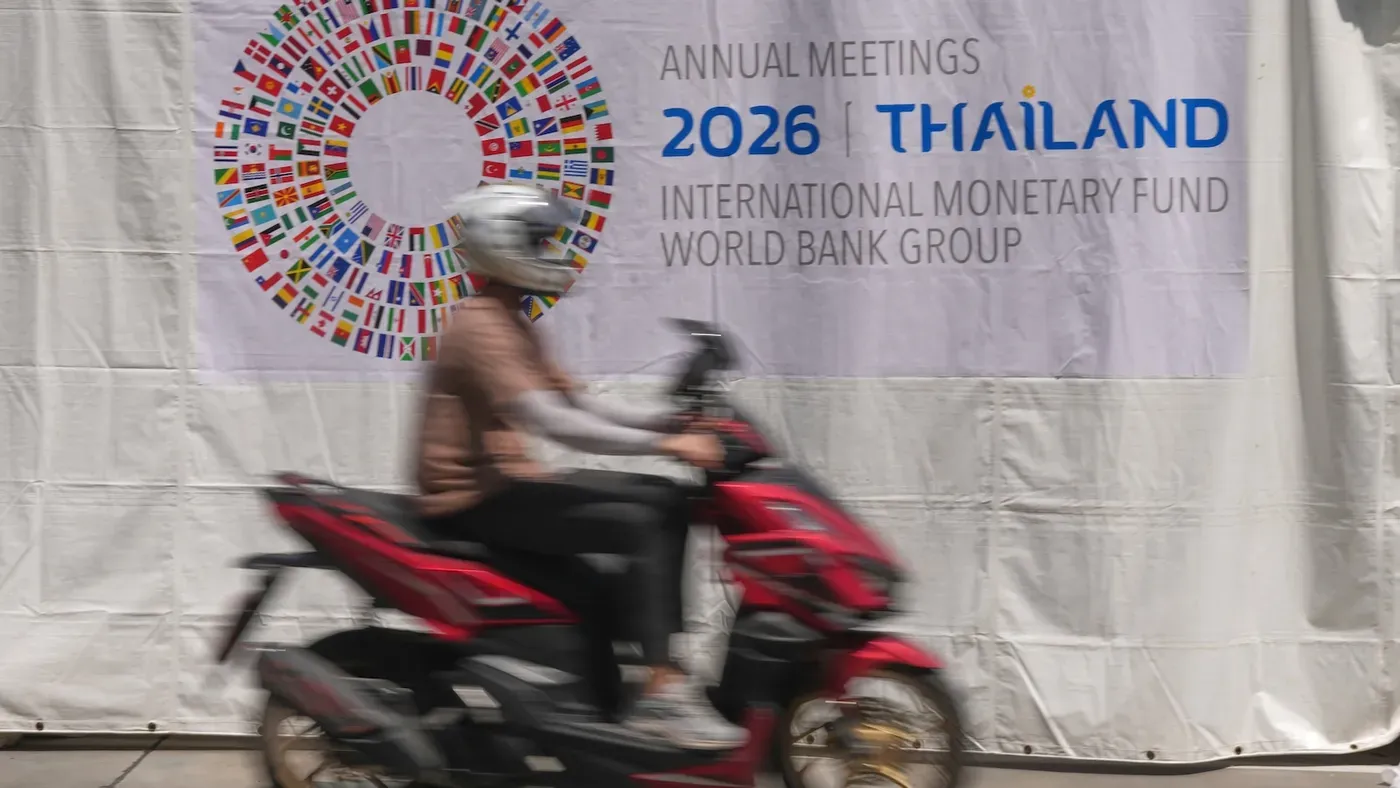
The International Monetary Fund has adjusted its forecast for global economic growth this year, predicting a 3.1% expansion. This slight upgrade comes after the IMF's July projection of 3.0% growth. However, it's essential to note that this rate still falls short of the 3.5% expansion seen in 2025.
The IMF's report, released during the ongoing fall meetings of the international economic and financial leaders in Bangkok, warns about growing risks associated with rising debt. This includes borrowing linked to emerging technologies like artificial intelligence, which is becoming increasingly prevalent worldwide.
According to the latest Economic Outlook from the IMF, growth in the United States is expected to remain steady at 2.3% for both this year and next. Advanced economies collectively are forecasted to grow 2.1% this year, marking a slight improvement over last year's 2.0%.
The global economic projections are based on an anticipated increase of nearly 41% in oil prices for this year, with the average price per barrel expected to reach $96. Additionally, the IMF forecasts global inflation at 4.7% for next year, followed by a slight decrease to 4.1% in the subsequent year.
The IMF's outlook also assumes that shipments of oil and gas through the Strait of Hormuz will resume by March, with the AI demand boom moderating. These factors are crucial considerations as the global economy navigates its growth trajectory this year and beyond.
The boom in artificial intelligence is having a profound impact on the global economy, offsetting some of the damage caused by rising oil and gas prices.
However, this trend also raises concerns about the unequal distribution of benefits, particularly when it comes to imports of computer chips and other AI-related equipment. The report notes that the US and China account for more than three-quarters of net demand for these goods, highlighting a significant imbalance in global trade patterns.
Growth is becoming increasingly concentrated among certain countries, with 32 nations now accounting for a staggering 95% of global growth. This shift is attributed to their exposure to war-induced supply shocks and AI-related demand strength.
The IMF's economists are warning about the potential risks associated with this trend, including an AI-related correction in stock markets, rising bond yields, and cyberthreats that could disrupt financial systems.
As governments grapple with the economic implications of rapid technological advancements, particularly artificial intelligence, economists at the International Monetary Fund are warning about the potential consequences on employment. According to estimates, around 40% of jobs globally will be either augmented or downgraded or eliminated over time due to AI.
The IMF's chief economist has recently emphasized the need for policymakers to improve national finances and tackle mounting debt levels. This is particularly pressing given the current high borrowing costs. The warning comes as many countries struggle with the impact of rising energy prices, exacerbated by the ongoing conflict in Iran.
Some economies are managing to weather this storm, thanks to their insulation from energy shocks or rapid adoption of AI. However, developing and emerging markets that are more vulnerable to higher oil and gas costs will see growth slow significantly this year before rebounding next year. According to forecasts, these countries will expand at an annual rate of 4.4% in 2026.
The economic outlook is particularly dire for the Middle East and Central Asia, where economies are expected to contract this year before recovering in 2027. In contrast, the 21 European countries using the euro currency are forecasted to grow by 1.1% this year and 1.2% in 2027.
The International Monetary Fund (IMF) has adjusted its forecast for global economic growth, predicting that China's economy will expand by 4.5% this year, a decrease from last year's projection of 5%. This revised estimate aligns with the Chinese government's official target.
India is expected to maintain its position as the fastest-growing major economy, with a predicted growth rate of 7%, down slightly from the 7.7% expansion seen in the previous year. The IMF's updated forecast reflects ongoing economic trends and adjustments made by the organization.
The IMF's Bangkok meetings will bring together finance ministers and central bank governors to assess the global economy and discuss strategies for promoting financial stability and sustained growth, with a focus on supporting economic development worldwide.
Facts based on reporting originally published by ABC News International.
You may republish this story, in full or in part, if you credit News Central Site and link to it (licence CC BY 4.0). Photos are not included.