Food Insecurity Affects Nearly Half of Americans
Rising inflation and food prices have led to an estimated 47.9 million people experiencing food insecurity in 2024.
A growing number of Americans are struggling to put food on the table, with estimates suggesting nearly half the country's population is living from paycheck-to-paycheck without a clear idea where their next meals will come from.
The issue has been exacerbated by rising inflation and increasing food prices, which have seen annual prices soar 3.7% in September according to the Bureau of Labor Statistics, while also jumping 33% since 2019. This economic pressure is having a tangible impact on workers, with many turning to government assistance programs for support.
According to data from Feeding America, an estimated 47.9 million people experienced food insecurity in 2024, although some experts believe the actual figure could be significantly higher at around 150 million individuals.
The financial strain of living with food insecurity is evident in the workplace, where employees are increasingly relying on government assistance programs such as SNAP benefits to get by.
Employers like Uber, Lyft and DoorDash now lead major employers in providing workers with access to these benefits, ahead of traditional retail giants like Walmart and McDonald's.
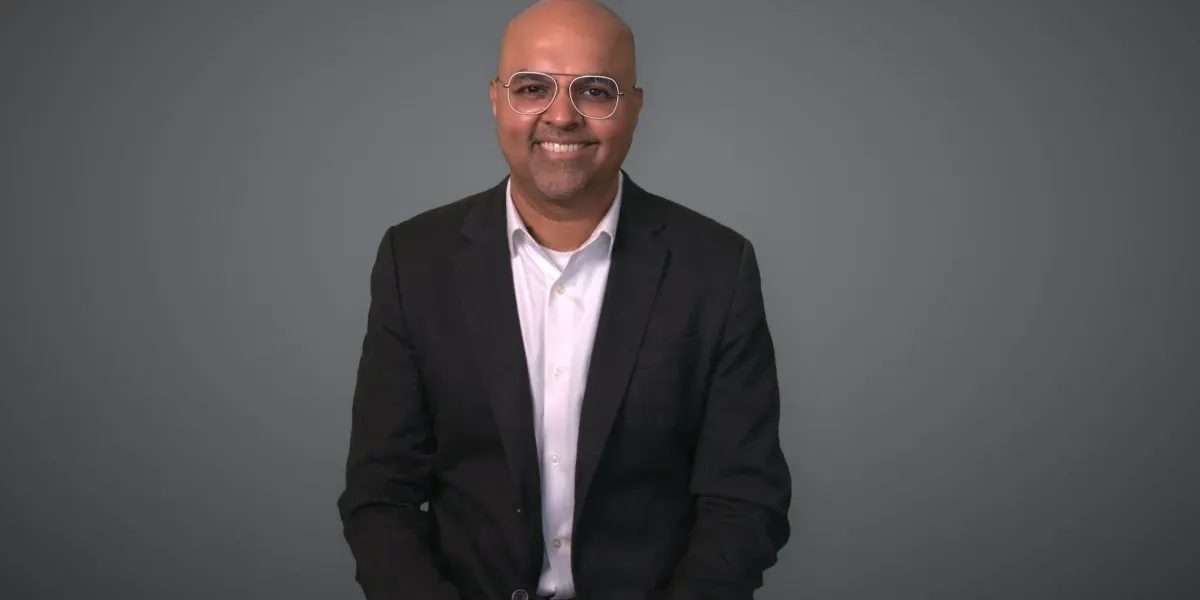
The concept of tackling hunger as an economic problem is gaining traction among businesses, particularly those in the gig economy. Sharebite's CEO has highlighted the potential of companies to make a significant impact by providing employees with access to meal benefits.
Sharebite itself is designed for businesses, not consumers, allowing companies to manage employee food ordering and meal allowances through a single dashboard. This streamlined approach enables employers to set stipends and spending limits for their teams, eliminating the need for manual expense reports.
The company's philanthropic efforts are also noteworthy, with Sharebite donating an equivalent meal for every one ordered on its platform. Through partnerships with organizations such as Feeding America and City Harvest, Sharebite has already donated over 18 million meals to date.
Sharebite's investors include prominent venture capital firms like Contour Venture Partners and Essential Capital, which have backed the company in a $39 million funding round in 2022. The company's CEO has cited examples from other countries where private sectors have successfully addressed food insecurity by mobilizing resources and expertise.
The model for addressing food insecurity that Sharebite's CEO holds up as an example is Brazil's Workers' Food Program, launched in 1976 by the government. This program incentivizes companies to provide meals for their employees through tax breaks, resulting in over 22 million workers being reached today.
As a result of this initiative, meal benefits or vouchers have become standard practice in Brazil, allowing workers to access nutritious food. The CEO believes that adopting a similar model in the US would not only benefit society but also stimulate small-business activity and support workers.
The business case for incorporating food into employer benefits is compelling, with healthcare spending and lost productivity tied to poor diets exceeding $1.1 trillion annually. This staggering figure highlights the economic consequences of food insecurity on individuals and businesses alike.
In addition to the financial argument, providing meals has also become a key factor in attracting workers back to the office, as they expect employers to cover commuting, childcare, and meal costs, among other expenses.
As Sharebite's business continues to thrive, its CEO credits his team for developing solutions that meet the growing demand for meal services. The company has seen a significant increase in business over the past few years, with last week being its best week on record and October marking a record month.
The acceleration of demand is evident, with Rao noting that the same employees who have been with Sharebite for several years are driving this growth. This suggests that the company's existing workforce is capable of adapting to changing market conditions and contributing to the expansion of the business. As a result, Sharebite's headcount may remain small but its revenue continues to increase.
Despite the growth, Rao believes that the meal delivery market is still in its early stages, with much room for innovation and development.
Facts based on reporting originally published by Fortune.
You may republish this story, in full or in part, if you credit News Central Site and link to it (licence CC BY 4.0). Photos are not included.