Foldable Electric Bikes Offer Convenience at a Higher Cost
The design of foldable electric bikes requires careful consideration of several factors to balance weight, functionality, and portability.
The rise of foldable electric bikes has made commuting easier and more enjoyable for many people. However, as with any form factor, there are some trade-offs to consider. One of the main advantages is that they take up less space when not in use, making them ideal for those with limited storage.
Despite their compact design, foldable electric bikes often come with a higher price tag than their non-folding counterparts. This can be a significant consideration for anyone looking to purchase one. The cost is not just related to the bike itself but also the technology that makes it possible, including the motor and battery.
A key aspect of foldable electric bikes is their ability to fold down into a compact package. However, this convenience comes at a cost, particularly when it comes to carrying the bike around. While some models may be lightweight enough to carry easily, others can be quite heavy due to the added weight of the motor and battery.
The design of a foldable electric bike requires careful consideration of several factors. The frame needs to be strong enough to support the weight of both the rider and the technology, while also allowing for easy folding and unfolding. Additionally, the hinges and locking hardware used to facilitate this process can add significant weight to the overall package.
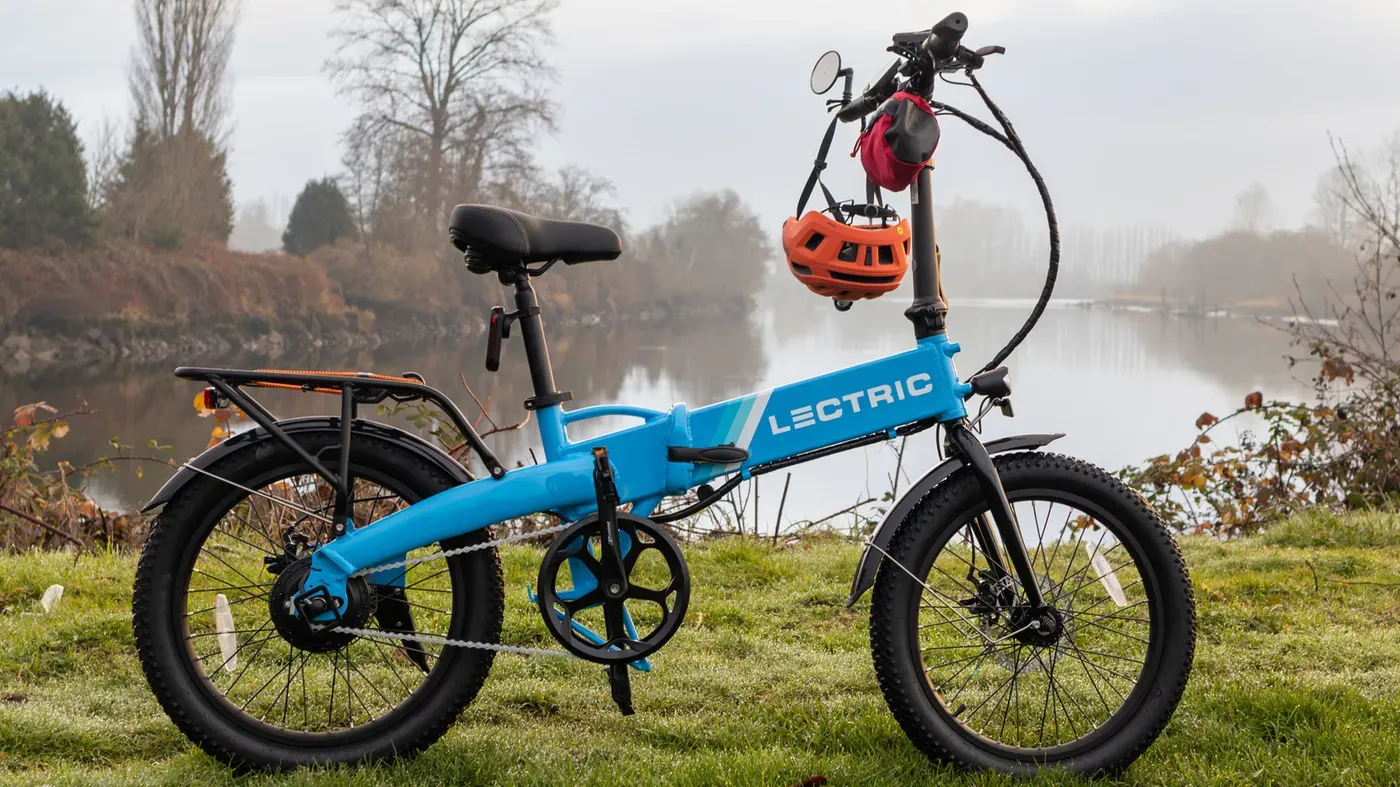
The weight of a foldable electric bike can be substantial, even without its battery. For example, Lectric's XP4 model, which features a 500W motor, weighs in at 62 pounds, making it a challenge to lift into a car or transport up flights of stairs.
The addition of the battery further increases the weight, adding seven pounds to bring the total to 69 pounds or 31kg. While it is possible to remove the battery, the bike itself remains relatively heavy, requiring careful consideration when transporting it.
The design of the folding mechanism also plays a crucial role in determining how easy it is to handle and transport the bike. A well-designed fold should allow for comfortable gripping and secure stability while moving, but this may not always be the case.
Furthermore, individuals who rely on public transportation must take into account specific rules governing electric bikes. For instance, Amtrak regulations stipulate that electric bikes cannot weigh more than 50 pounds, which would exclude heavier models like the Lectric XP4 from being carried on board.
Attachments such as baskets or pannier bags can also add to the overall weight and space requirements of a foldable electric bike. These extras must be carefully considered when planning how to transport the bike, ensuring they do not exceed the bike's load limit or compromise its stability.
When considering a foldable electric bike, it's essential to think about how you will transport it. One way to gauge this is by trying out the bike in its folded state and seeing if you can lift it comfortably with the battery attached.
This exercise should also involve folding the bike and carrying it over short distances to get a feel for its weight and maneuverability. By doing so, you'll be able to determine whether the bike's foldable design will fit into your daily routine.
Another factor to consider is the size of the wheels on the compact folding bike. Smaller wheels can make the bike more manageable when folded but may also increase the harshness of rough road surfaces.
Furthermore, it's crucial to think about how you will ride the bike and whether the saddle is comfortable for you. Manufacturers often recommend adjusting both the saddle height and position for an optimal riding experience.
When it comes to foldable electric bikes, manufacturers often recommend adjusting both the saddle height and position for an optimal riding experience. However, this is just one of many considerations that come into play when choosing a compact folding bike.
The terrain you plan to ride on can also be a significant factor in determining whether a foldable electric bike is right for you. Bikes with wider tires and suspension can help smooth out rough roads, but they often add weight and bulkiness, which goes against the goal of having a lightweight bike that's easy to carry.
In addition to terrain, the route you take on your daily commute or leisure ride can also impact your experience with a foldable electric bike. Short trips on smooth roads are likely to be more comfortable than longer commutes over potholes, and rural riding may not be ideal for compact folding bikes due to their limited stability on rough ground.
When testing a foldable electric bike, it's essential to pay attention to how the bike steers and brakes on various surfaces. This will give you a better idea of how well the bike will perform in real-world conditions, particularly if you plan to ride on roads with similar terrain.
Choosing a foldable electric bike also requires careful consideration of its battery capacity and motor specs. While smaller bikes can be more portable, they often come with smaller batteries, which may limit your range. Manufacturers often provide estimates for the bike's range, but it's essential to take these estimates as rough guidelines rather than exact figures, as actual mileage will vary depending on factors like load, terrain, and weather conditions.
The cost of a high-end foldable electric bike can be substantial, with prices ranging from several thousand dollars upwards.
These premium models often come at a significant price tag, but it's essential to remember that a higher price doesn't necessarily translate to superior performance or durability.
Regular maintenance is crucial for any e-bike, and folding bikes are no exception. This includes checking the tires, brakes, and chains for wear and tear, as well as inspecting the joints and clamps that are subjected to additional stress from repeated folding and unfolding.
The manufacturer's recommendations should be followed closely, particularly when it comes to servicing the bike's moving parts, such as the folding joints. Incorrect adjustments can lead to damage to the frame, highlighting the importance of adhering to the specified maintenance guidelines.
While foldable electric bikes offer numerous benefits, such as making travel more convenient and reducing commute time, they also come with some drawbacks that users should consider. One key aspect to keep in mind is the potential impact on performance.
The compact design of these bikes may compromise on power output, speed, or range, which can be a trade-off for the convenience of folding them up when not in use.
Facts based on reporting originally published by Engadget.
You may republish this story, in full or in part, if you credit News Central Site and link to it (licence CC BY 4.0). Photos are not included.