Energy Bill Gains Bipartisan Support in Congress
A bipartisan bill is making waves in Washington, aiming to expedite energy projects and fuel the rapid growth of artificial intelligence by streamlining permitting processes for various energy projects.
A landmark bipartisan bill is making waves in Washington, aiming to expedite energy projects and fuel the rapid growth of artificial intelligence. This legislation is bringing together unlikely allies from the fossil fuel industry and renewable energy sectors, while also creating divisions among environmental groups.
The stakes are high, with the bill poised to be one of the most significant decisions Congress makes this year, impacting not only the tech boom but also energy affordability and the environment. As demand for power surges, driven in part by the construction of data centers, electricity prices are skyrocketing due to a combination of factors.
The new legislation is designed to streamline permitting processes for various energy projects, including solar farms, power lines, oil and gas pipelines, making it more difficult for presidential administrations to revoke permits. Environmental reviews will also be narrowed, and litigation outside federal courts will be limited.
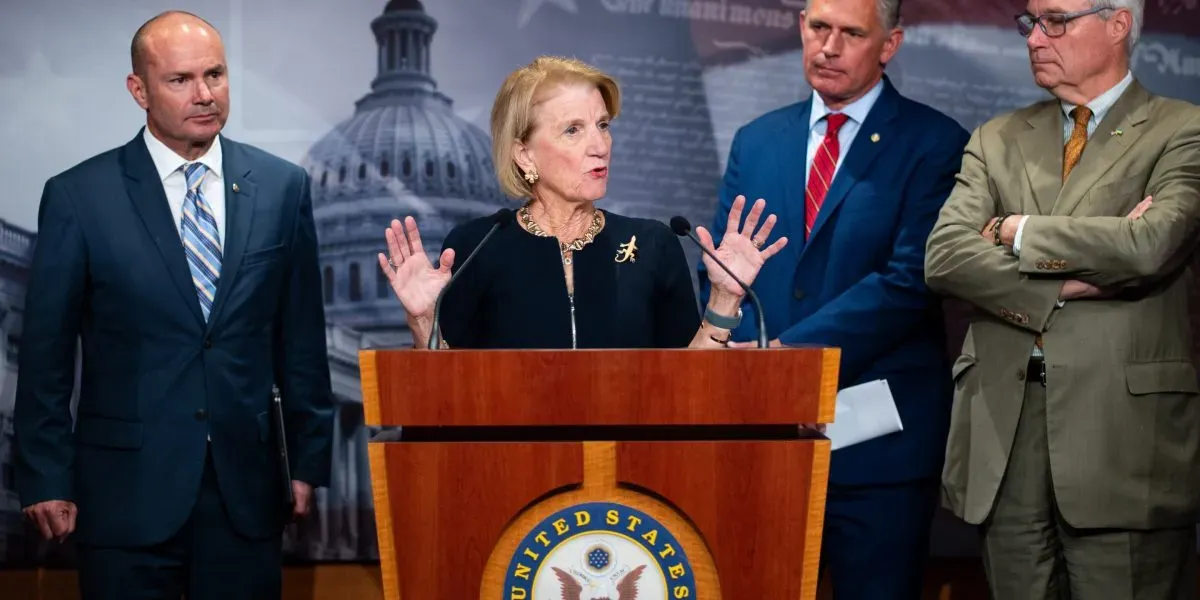
A key aspect of the bill is its broad bipartisan support, with co-authors including Senators Mike Lee and Sheldon Whitehouse, typically at odds on energy issues. The unusual alliance has earned them the nickname "The Four Corners, highlighting the unexpected unity behind this legislation.
The Bipartisan American Affordability and Jobs Act promises to have far-reaching consequences for the energy sector, environmental groups, and consumers. As it moves through Congress, all eyes are on its potential impact on the future of energy production and consumption.
The bill's passage through Congress has sparked a mix of emotions among Democrats, who see it as a victory for clean energy but are wary of its potential to favor fossil fuels at the expense of environmental concerns.
Republicans, on the other hand, have little reason to object, given that the legislation does not pose significant threats to their interests or local control over permitting matters. However, those opposed to green power and increased federal authority may still express reservations about the bill's implications.
Democrats face a dilemma: whether to accept the current proposal, which they hope will boost clean energy projects stalled under the previous administration, or wait until next year when they may have a stronger congressional majority to push through their own version. This approach carries risks of its own, including potential veto by President Trump.
The bill's proponents argue that its balanced approach makes it worth supporting, despite concessions made to other stakeholders. This bipartisan-negotiated language is unlocking a significant amount of new clean energy and transmission capacity," said Ben Norris, senior vice president of regulatory affairs for the Solar Energy Industries Association.
Supporters are optimistic about the bill's prospects, but acknowledge that time is running out before the midterm elections on November 3. If the bill stalls or faces opposition, it could still be revived in the future.
The bill's proponents are optimistic about its chances of passing, with some considering it one of the best products to emerge in recent times.
One of the key areas where the bill is expected to have a significant impact is on the construction of massive electric transmission systems, which are notoriously difficult to build due to land ownership issues.
These projects would provide a major boost to renewable energy sources by allowing wind power from rural areas like Kansas to reach larger population centers across the country.
A similar example can be seen in Texas, where the legislature's authorization of transmission lines connecting windy western regions to cities like Houston and Dallas helped spur the growth of renewable energy in the state.
The bill's provisions have been met with skepticism by some environmental groups, who are concerned about the trade-offs it makes.
Critics argue that the energy permitting bill will lead to increased pollution and health issues due to its provisions allowing for more fossil fuel pipelines, gas-fired power plants, and massive data center complexes.
The criticism is not limited to environmental groups; some Democrats are also expressing concerns about the bill's implications, suggesting that their support may be driven by the need to counterbalance Trump's actions in restricting clean energy permits. The administration has indeed been accused of holding clean energy hostage through its handling of offshore wind and solar projects.
Environmental organizations such as the Sierra Club point out that the legislation would weaken key environmental protections under federal law, including the National Environmental Policy Act, Endangered Species Act, and Clean Water Act. This would also limit states' ability to use their own courts to protect local waterways.
On the other hand, proponents of the bill argue that it would prevent states and environmental groups from abusing the court system to block projects for reasons not explicitly stated in federal law.
The fossil fuel industry has a strong advocate in Toby Rice, CEO of EQT, one of the leading natural gas producers in the US. According to him, the legislation will bring down utility prices and create certainty for companies building infrastructure.
The new energy permitting bill is being hailed as a breakthrough that will enable companies to build infrastructure more quickly and efficiently. According to industry insiders, the legislation will have far-reaching benefits for all forms of energy production, not just fossil fuels.
One of the key challenges in building infrastructure has been the lengthy process involved in obtaining permits. Industry leaders argue that this has hindered progress on projects such as expanding existing pipelines or constructing new transmission lines. The new bill aims to streamline this process and give companies the confidence to invest in new projects.
The bill's proponents believe that a tech-neutral approach is essential, allowing all forms of energy production to compete on an equal footing. This means enabling next-generation geothermal and nuclear projects, as well as renewable energy sources such as wind and solar power.
Industry leaders argue that the legislation will benefit not just fossil fuels but also clean energy producers. They point out that if natural gas is unable to compete with other forms of energy production, it can always be liquefied and exported around the world to meet global demand.
The new energy permitting bill aims to strike a balance between fossil fuels and clean power, a move that has sparked both optimism and criticism.
This shift in approach acknowledges that government policies should not override market forces, allowing energy projects like pipelines, wind farms, solar panels, mines, and transmission lines to proceed without undue interference.
Facts based on reporting originally published by Fortune.
You may republish this story, in full or in part, if you credit News Central Site and link to it (licence CC BY 4.0). Photos are not included.