Electric truck sales decline amid shift to compact designs
The demise of the Tesla Cybertruck marks a turning point in the electric vehicle market as manufacturers pivot towards more efficient and lightweight EV designs.
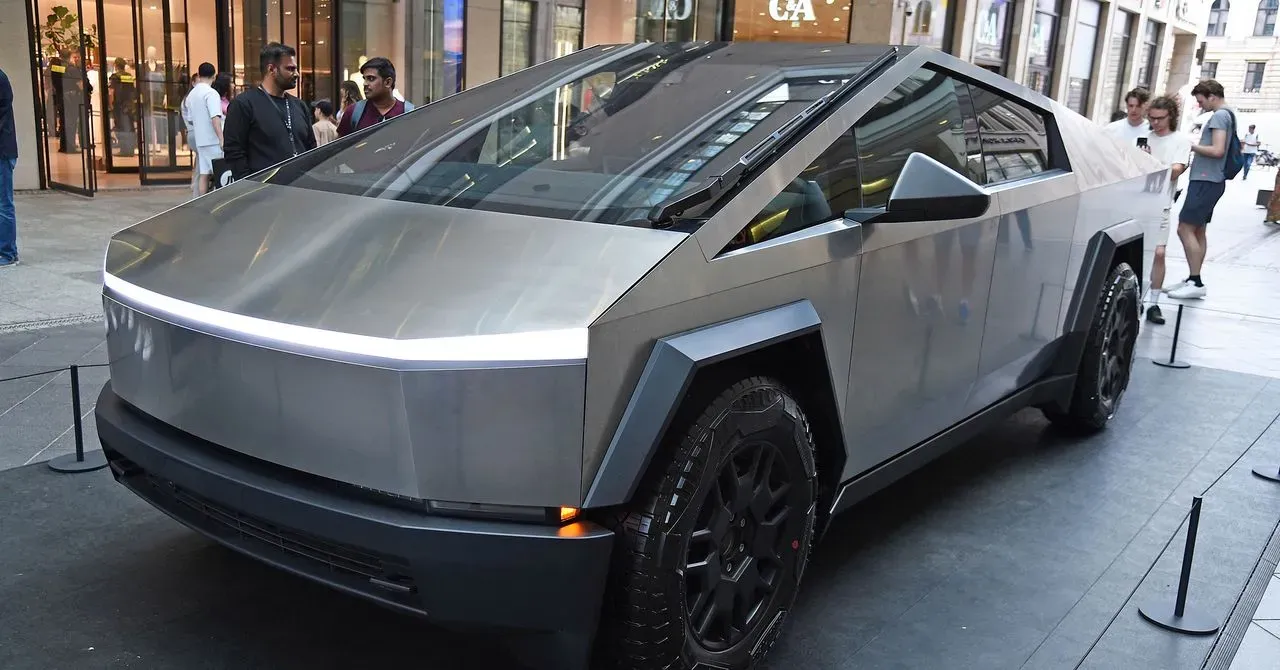
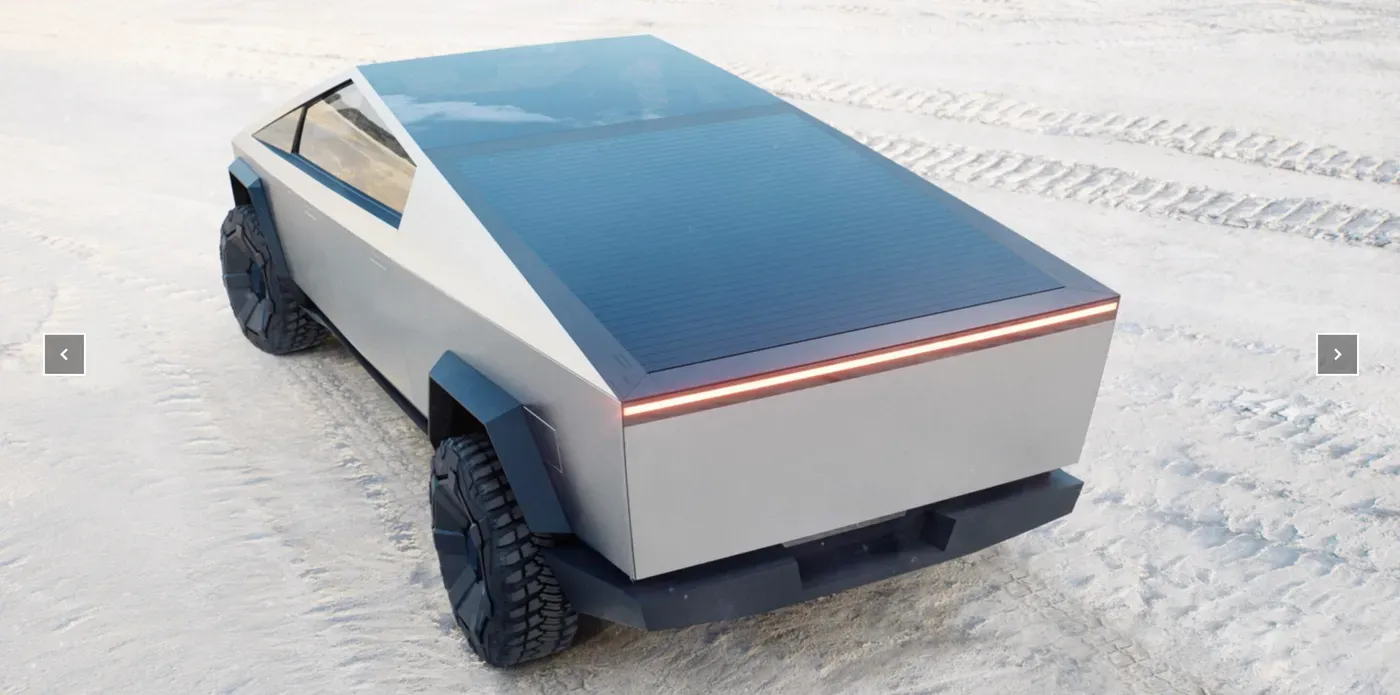
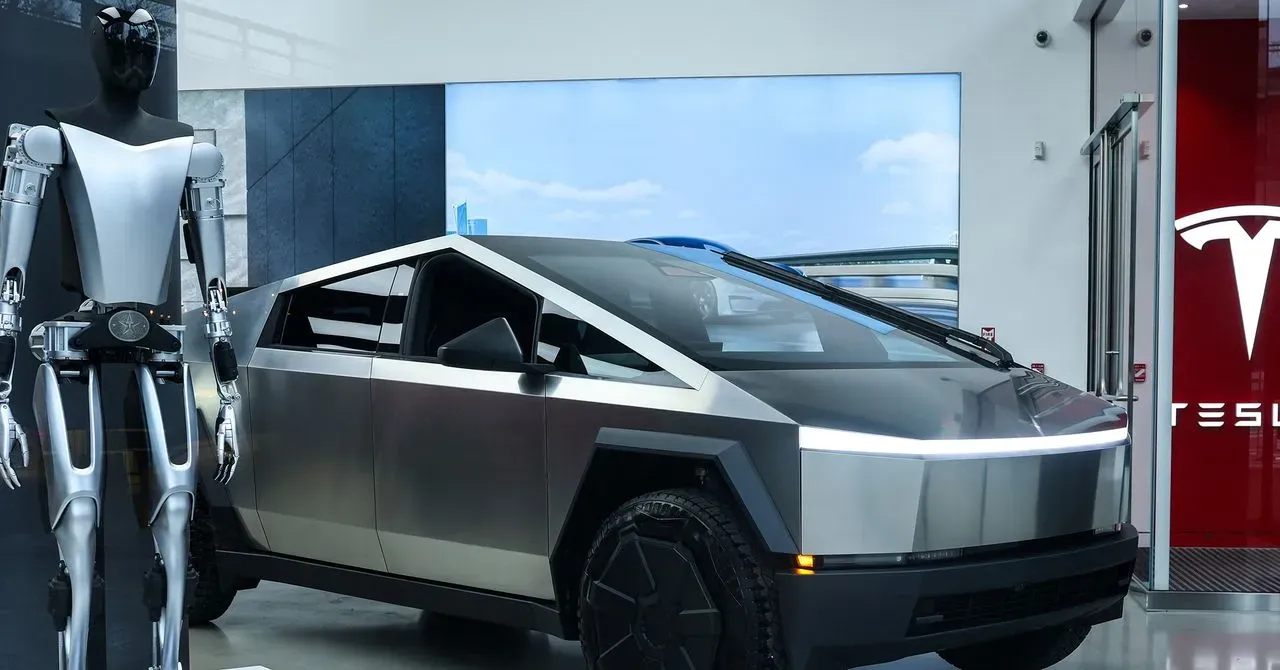
The Cybertruck's demise marks a turning point in the electric vehicle market, particularly for large trucks. The vehicle's polarizing design and Elon Musk's unconventional approach likely contributed to its poor sales performance. Moreover, several recalls may have further eroded consumer confidence.
One of the key factors behind the Cybertruck's weight was its massive 123 kilowatt-hour battery, which accounted for a quarter of its total mass at around 1,600 pounds. This heavy battery pack is comparable in size to that used in Ford's F-150 Lightning, another electric truck cancelled late last year.
Ford's own electric trucks boasted battery capacities ranging from 98 to 131 kilowatt-hours, further underscoring the trend towards smaller, more efficient batteries. The simultaneous cancellation of both vehicles suggests a significant shift is underway in the industry, with automakers increasingly focusing on compact and lightweight EV designs.
As manufacturers pivot towards these new models, it may signal an end to the era of large electric trucks. This development could have safety benefits for pedestrians and cyclists, as well as positive implications for the battery supply chain at a time when demand is rising.
Ford's electric pickup will likely be a compact vehicle, similar in size to its gas-powered Maverick model. This decision is consistent with the company's strategy of offering smaller, more affordable EV options to appeal to a wider market.
The exact battery sizes for Ford's electric pickup have not been announced, but it's expected that they won't match the larger batteries found in vehicles like the F-150 Lightning or Cybertruck. By opting for smaller batteries, Ford aims to reduce production costs and make its electric pickups more accessible to budget-conscious buyers.
Meanwhile, startup Slate is introducing a tiny electric pickup that can be converted into an SUV, with a base model priced below $25,000. This vehicle features a lightweight battery and has generated significant interest among potential customers, although it's worth noting that the Cybertruck also experienced a surge in preorders before its production issues became apparent.
Other manufacturers are also exploring smaller EV options, including Rivian, which launched the R2 SUV earlier this year. The R2 has a more modest size compared to Rivian's flagship R1S model and is likely to appeal to customers seeking a more compact EV experience.
The shift towards smaller electric vehicles (EVs) is gaining momentum, driven by consumer demand for more affordable options in a rapidly changing market.
A number of newly announced EVs are trending on the smaller side or function as extended range vehicles, which allows automakers to reduce production costs and make their offerings more competitive. With less weight to propel, these smaller vehicles can rely on smaller battery packs, helping to mitigate one of the most significant expenses associated with EV production.
The cost savings from building smaller vehicles also extends to the battery supply chain, where a limited capacity can be made to go further by optimizing production for smaller batteries. This approach is particularly relevant given the current surge in consumer prices across various industries, including the automotive sector.
Automakers are now focusing on developing more compact EVs that not only reduce costs but also cater to customers seeking a more practical driving experience.
The demise of the Cybertruck has sent shockwaves through the electric vehicle (EV) market, but it may be a blessing in disguise for EV manufacturers and consumers alike. The standard range Ioniq 5 driver is already achieving impressive results with a battery that's roughly half the size of its more expensive counterparts.
The decline in EV sales following President Trump's administration's decision to scrap incentives last year has been reversed, albeit slightly, due to increased interest driven by the Iran War and rising gas prices. However, despite this uptick, US EV sales still trail behind the global average. The lack of government support for EVs under a Democratic-controlled Congress is unlikely to change anytime soon.
Automakers are now focusing on developing more compact EVs that not only reduce costs but also cater to customers seeking a more practical driving experience. Even Elon Musk's decision to end Cybertruck production, citing plans to allocate resources towards making room for cranking out more Cybercabs with 48 kilowatt-hour batteries, suggests the market is shifting towards smaller, more affordable EVs that better meet consumer needs and reduce delivery risks.
Facts based on reporting originally published by Wired.
You may republish this story, in full or in part, if you credit News Central Site and link to it (licence CC BY 4.0). Photos are not included.