Data Collection by Robot Vacuum Cleaners Raises Privacy Concerns
A growing number of robot vacuum cleaners on the market have features that potentially infringe on users' personal data, including audio recordings and visual footage of homes.
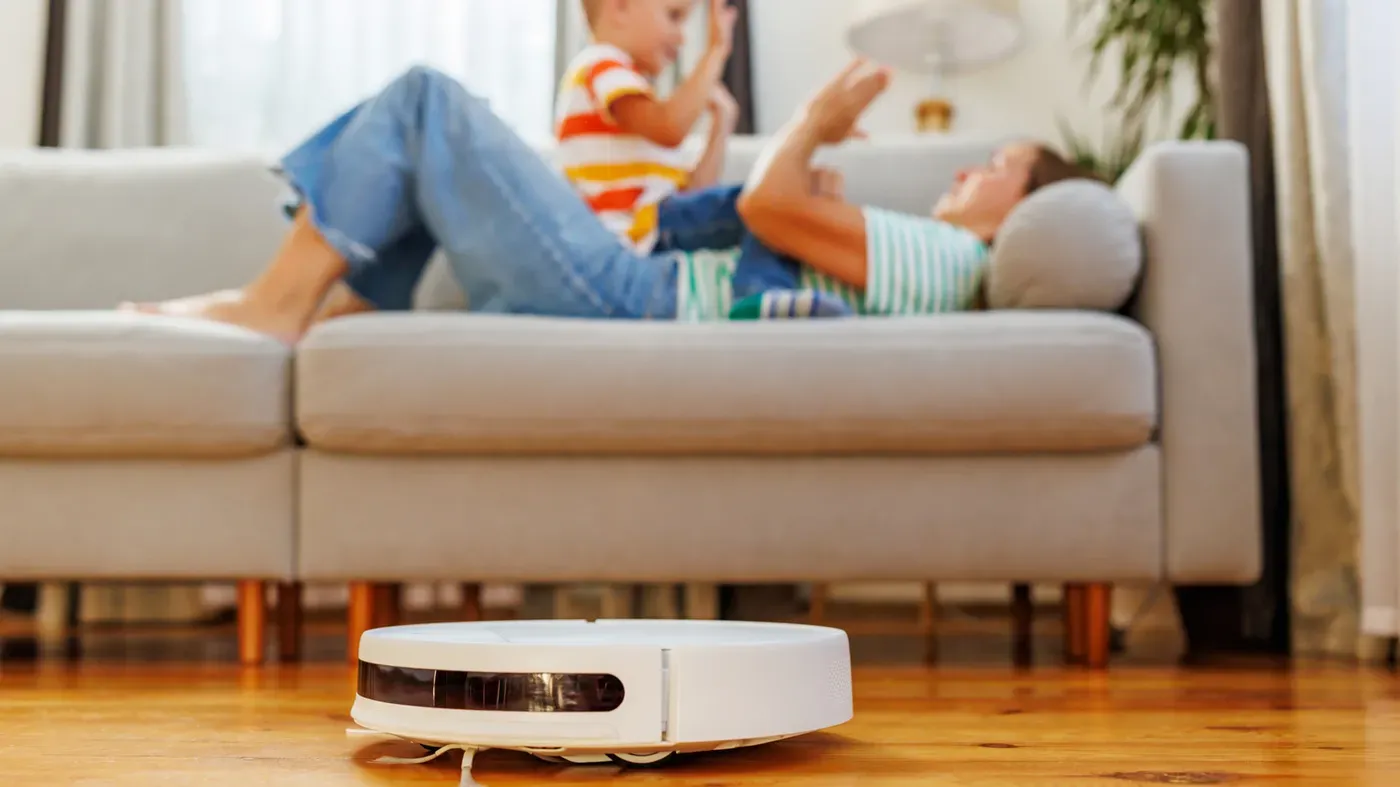
A growing number of robot vacuum cleaners on the market have features that potentially infringe on users' personal data.
These devices can create detailed maps of homes, record cleaning histories, and even capture private conversations or bathroom breaks. Some high-end models come equipped with microphones and remote video capabilities, allowing manufacturers to monitor and control their operation from anywhere in the world.
The amount of information collected by these devices varies depending on the model and manufacturer. While some may only collect basic data such as cleaning schedules and error messages, others can capture more sensitive information like audio recordings or visual footage of users' homes.
The issue is further complicated by cloud connectivity, which allows users to monitor their vacuum's progress remotely through the manufacturer's servers. This raises concerns about data storage and sharing practices, with some companies potentially collecting and selling user data without explicit consent.
As consumers become increasingly reliant on connected devices for household tasks, it is essential that manufacturers prioritize transparency in their data collection policies and practices.
A security flaw in DJI's Romo robot vacuum allowed one customer to control thousands of devices worldwide, raising concerns about manufacturer oversight. This issue occurred when Sammy Azdoufal tried to remotely operate his device and inadvertently gained access to around 7,000 connected vacuums.
DJI responded by releasing two software updates on February 10, 2026, which addressed the specific security vulnerability that allowed a single customer's account to be used across multiple devices. This problem was not caused by AI or coding errors but rather an issue with the server's permission checks.
The incident highlights broader concerns about data collection and privacy in connected household appliances. Manufacturers like iRobot may collect information from their smart vacuum cleaners, including floor maps, cleaning activity, device status, and Wi-Fi network details.
Connected robot vacuums can continuously send data to manufacturers as they operate, potentially revealing sensitive information without users' knowledge or consent. iRobot's own privacy policy acknowledges this risk, stating that its connected models may transmit more than just basic floor maps, including room names, floor types, and device movements.
The steady stream of data sent from these devices can raise questions about who has access to the information and how it is used. As consumers increasingly rely on smart appliances for household tasks, manufacturers must prioritize transparency in their data collection policies to protect users' privacy.
When shopping for a robot vacuum, it's crucial to scrutinize its privacy policy before making a purchase decision. This involves carefully examining what information is transmitted from your home and how the device processes user data on its own.
A red flag should be raised if a product requires mandatory cloud features, as this can compromise user anonymity. Be sure to investigate how diagnostic data is shared with third parties, as this can often be a breach of trust.
Some robot vacuums are designed with local-first approaches in mind, prioritizing data processing and storage on the device itself rather than in the cloud. Matic's privacy policy stands out for its transparency regarding map streaming over home Wi-Fi and on-device processing.
However, even with robust policies in place, security vulnerabilities can still arise. A manufacturer's commitment to not sharing user data does not guarantee that an attacker cannot access existing information through a flaw in the system.
Ultimately, consumers must remain vigilant when it comes to robot vacuum privacy, as manufacturers' policies may not always align with their actual practices.
To ensure your robot vacuum's security, it is essential to set a robust password and enable two-factor authentication to prevent unauthorized access. Keeping the firmware up to date will also help minimize vulnerabilities that could be exploited by hackers.
When using your robot vacuum, pay attention to features like "remote viewing" or other connected capabilities that may raise concerns about data privacy. If you don't need these features, consider disabling them to limit potential risks.
Facts based on reporting originally published by Engadget.
You may republish this story, in full or in part, if you credit News Central Site and link to it (licence CC BY 4.0). Photos are not included.