Climate Change Policies Gain Momentum After Midterm Elections
Environmental groups are optimistic about new climate change policies following Democrats' decisive victories nationwide.

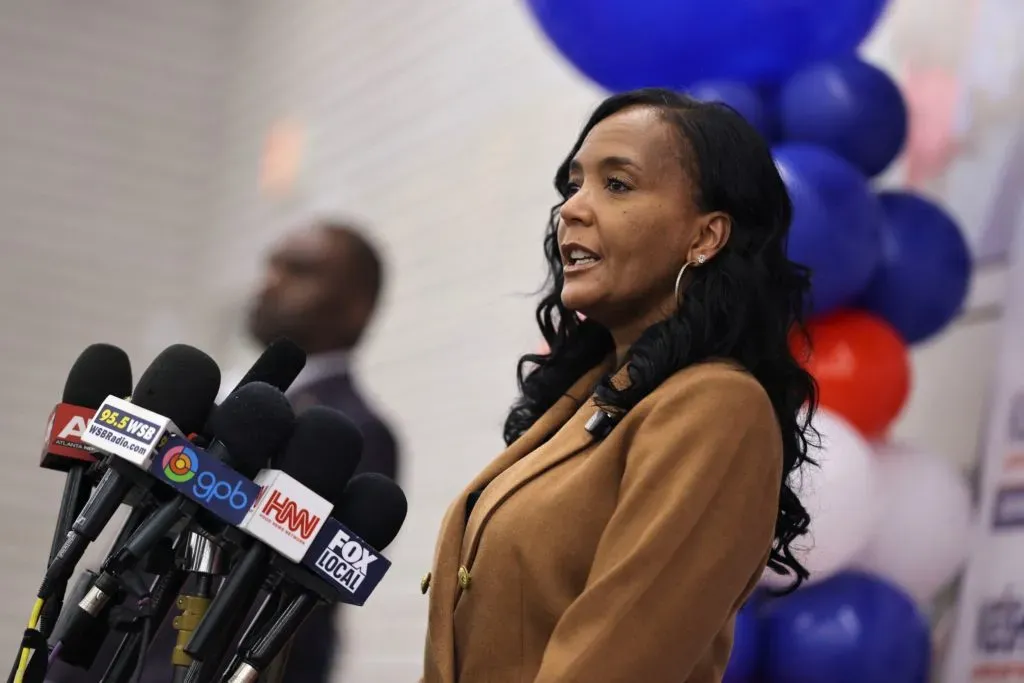
Environmental groups are optimistic about the prospects for new climate change policies despite their relatively low profile during the recent midterm elections. Democrats' decisive victories nationwide and at the state level have sparked hopes that more significant action is imminent. The Climate Cabinet, an advocacy group led by executive director Caroline Spears, sees this shift in politics as a crucial turning point.
The last two years have been marked by setbacks for the environmental community, with efforts to combat climate change facing significant obstacles. Research centers were closed and renewable energy projects were blocked, hindering progress towards mitigating global warming. However, the outcome of the midterm elections has offered new possibilities for policy change.
As the executive director of Climate Cabinet, Caroline Spears is at the forefront of promoting candidates who support climate action. Her organization's mission is to push policymakers towards more effective and sustainable solutions to address the growing threat of climate change. With Democrats now in a stronger position, Spears believes that the momentum for meaningful policy changes has gained significant traction.
The coming months will be crucial in determining whether this newfound enthusiasm for climate action translates into tangible policies. With Caroline Spears' insights, we can explore the potential implications of the blue wave on environmental legislation and what it means for the future of climate change mitigation efforts.
The sheer number of elections Democrats focused on this year was staggering, with over 100 victories in a total of around 120 races.
While climate change may not have been a central issue in many of these contests, voters' concerns about affordability were palpable, as evidenced by their worries about rising utility bills and gas prices.
Caroline Spears notes that clean energy is a cost-effective solution to these problems, capable of lowering people's bills and reducing expenses, especially with the current surge in gas prices.
The connection between affordability issues and climate change is clear when one considers that clean energy can provide cheaper alternatives to fossil fuels, thereby alleviating the burden on consumers' wallets.
In Bucks County, a crucial battleground district where voters were keenly aware of the importance of their decisions, residents expressed concerns about rising costs, with utility bills and gas prices being top priorities.
In Bucks County, voters are keenly aware of the importance of their decisions, particularly when it comes to rising costs that affect them directly.
Utility bills and gas prices have become top priorities for residents in this crucial battleground district, where the impact of climate change is palpable through frequent natural disasters.
Caroline Spears, a senior official at an environmental organization, notes that rising insurance premiums are also linked to climate-fueled events across the country, making it imperative for elected officials to address the issue.
The organization's criteria for supporting candidates include their stance on clean energy jobs and climate change mitigation, as well as their track record in previous positions or local initiatives.
Arizona's vast solar potential has been hindered by poor policies in the state, but with a change in leadership, there is hope for improvement.
The new president of the Senate, Senator Sundareshan, brings expertise in water and energy law to her role, having previously worked in these areas before entering politics.
This background makes her well-equipped to address the state's climate-related challenges and capitalize on its renewable energy opportunities.
A key factor in Arizona's potential for growth is its abundant solar resources, which could be leveraged to drive economic development and reduce carbon emissions.
The election of Senator Sundareshan and other like-minded leaders offers a promising prospect for meaningful change in the state.
In addition to Arizona, there are several other locations that hold significant promise for climate action, driven by the presence of candidates who have demonstrated their commitment to addressing these issues.
Their track record on clean energy jobs and climate change mitigation is impressive, and they are well-positioned to make a positive impact in their respective roles.
The cost of living has become a major concern for many voters, with data centers being a physical representation of their economic anxieties.
Utility bills have skyrocketed in recent years, leaving people wondering if data centers are to blame and whether they're contributing to the rising costs.
In Georgia, a state where data centers have been expanding rapidly, a candidate named Peter Hubbard is now poised to make a significant impact on the issue.
Hubbard, who has recently won a seat on the Georgia Public Service Commission, has already expressed his intention to focus on lowering people's bills through clean energy initiatives.
The federal government's slow pace on climate change policies has led many to look to state governments as a more effective route for progress. This is because states have the power to enact legislation and regulations at a rate five times faster than the federal government. Caroline Spears, executive director of Climate Cabinet, notes that this discrepancy in speed is due to the complexity of federal decision-making processes.
As someone who has worked in the solar industry, Spears understands firsthand how state policies can make or break clean energy projects. She points out that each state plays a significant role in building the clean energy economy, with its own unique set of regulations and laws governing energy development. This decentralized approach to energy policy allows states to experiment and innovate at their own pace.
According to Spears, this is exactly what will happen over the next couple of years: states will take the lead on climate change policies, driving progress through innovative legislation and regulation. With 50 states each contributing to the clean energy economy, significant strides can be made in addressing the pressing issue of climate change.
Facts based on reporting originally published by PBS NewsHour Politics.
You may republish this story, in full or in part, if you credit News Central Site and link to it (licence CC BY 4.0). Photos are not included.