Brewers Win First-Ever World Series Championship Title
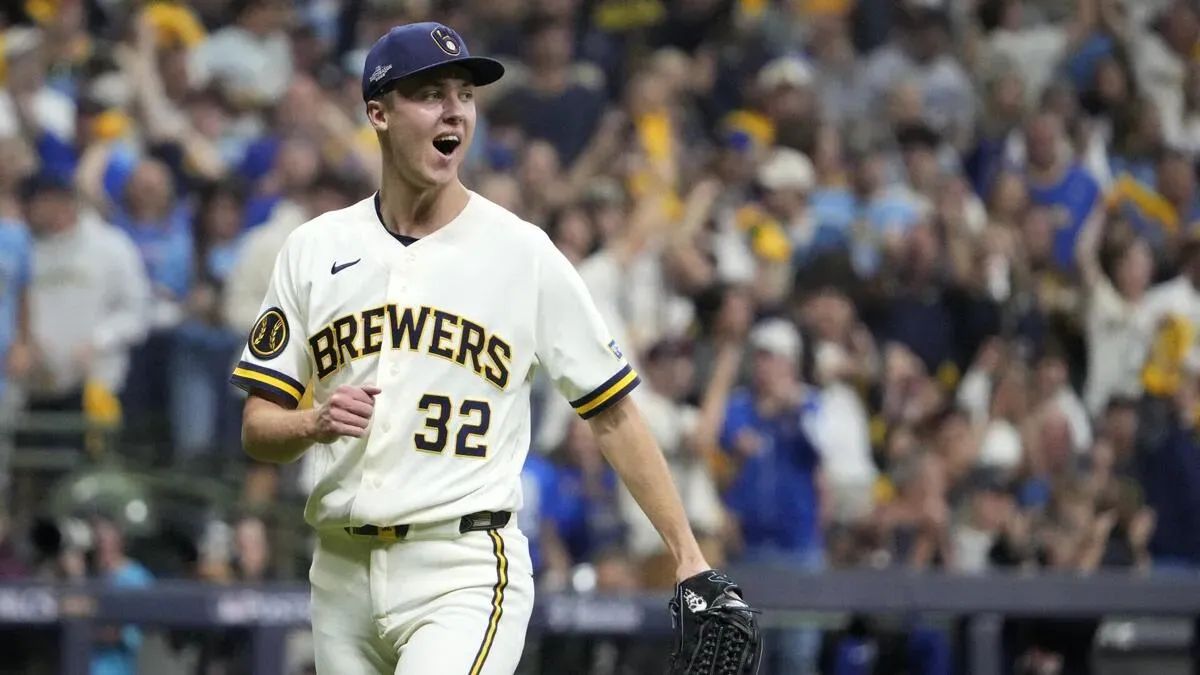
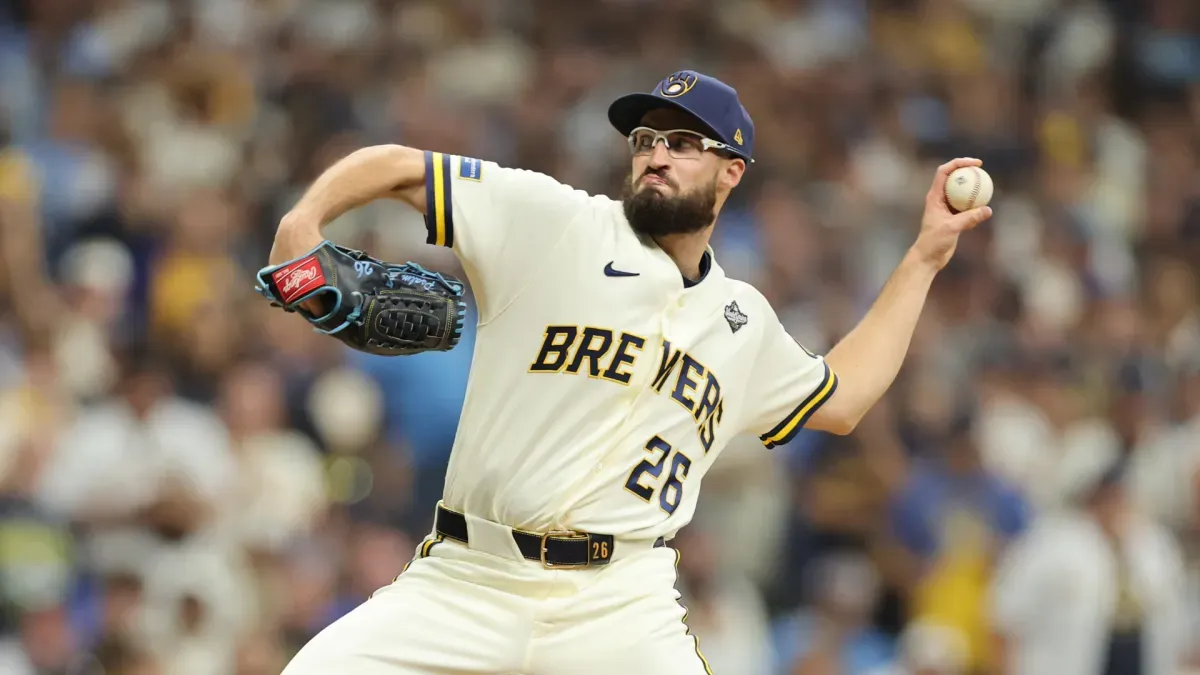
The Brewers emerged as World Series champions after defeating the Rays in the 2026 MLB season.
The 2026 MLB season has come to an end, with the Brewers emerging as World Series champions after defeating the Rays. This marks a historic moment for the franchise, securing its first-ever championship title. The Rays will look to bounce back next year in their pursuit of their own first World Series victory.
As the World Series concludes, attention shifts to the 2026-27 offseason, which has officially begun. However, this period is shrouded in uncertainty due to the impending expiration of the current collective bargaining agreement on December 1. The owners are expected to lock out the players unless a new deal is reached, potentially disrupting spring training and even the regular season.
Several significant events will take place in the coming weeks and months despite the potential lockout. Free agency will still commence in early November, but transactions may come to a halt if a lockout occurs. The impact of this uncertainty on the offseason calendar remains to be seen.
Eligible players with at least six years of service time are currently free agents, although they cannot sign with a new team just yet. They must wait five days before being able to do so. This period marks the beginning of the exclusive negotiating window during which free agents can only discuss contract details with their previous team.
Very few players choose to re-sign during this exclusive negotiating period, and those who do often make headlines. One notable example from recent memory is Edwin Díaz's return to the Mets four years ago. Typically, players prefer to test the market rather than committing to their previous team.
In addition to the exclusive negotiating window, trades involving 40-man roster players will resume on this day for the first time since the summer trade deadline. This marks a significant milestone in the offseason calendar.
The MLB Gold Glove winners are set to be announced during an ESPN broadcast at 8:30 p.m. ET. The Cubs and Blue Jays lead the way with five finalists each, including those vying for individual positions, utility player recognition, and team awards.
This period of uncertainty surrounding the lockout may have a ripple effect on the offseason calendar, but the key events remain on track to take place as scheduled. The outcome of these events will shape the future of MLB teams and players in the coming year.
The MLB offseason is a complex period for teams and players alike, and several key dates are fast approaching. One critical deadline that has already passed or is imminent involves contract option decisions. While some contracts specify alternative dates, most teams must make these decisions within five days of the World Series' conclusion.
Not all option decisions are straightforward, however, as they can be influenced by factors such as player performance and team payroll considerations. Some options are essentially guaranteed, like the Braves' decision to exercise their $17 million club option on Ronald Acuña Jr. Other notable contract options include those held by Michael King with the Padres, Bo Bichette with the Mets, and Luis Robert Jr. with the Orioles.
The qualifying offer is another significant aspect of the offseason, allowing teams to extend a one-year contract worth the average of the top 125 salaries. This season's qualifying offer stands at $23.15 million, according to recent reports. Eligibility for this offer requires that a player have spent their entire previous season with one team and never received the QO before.
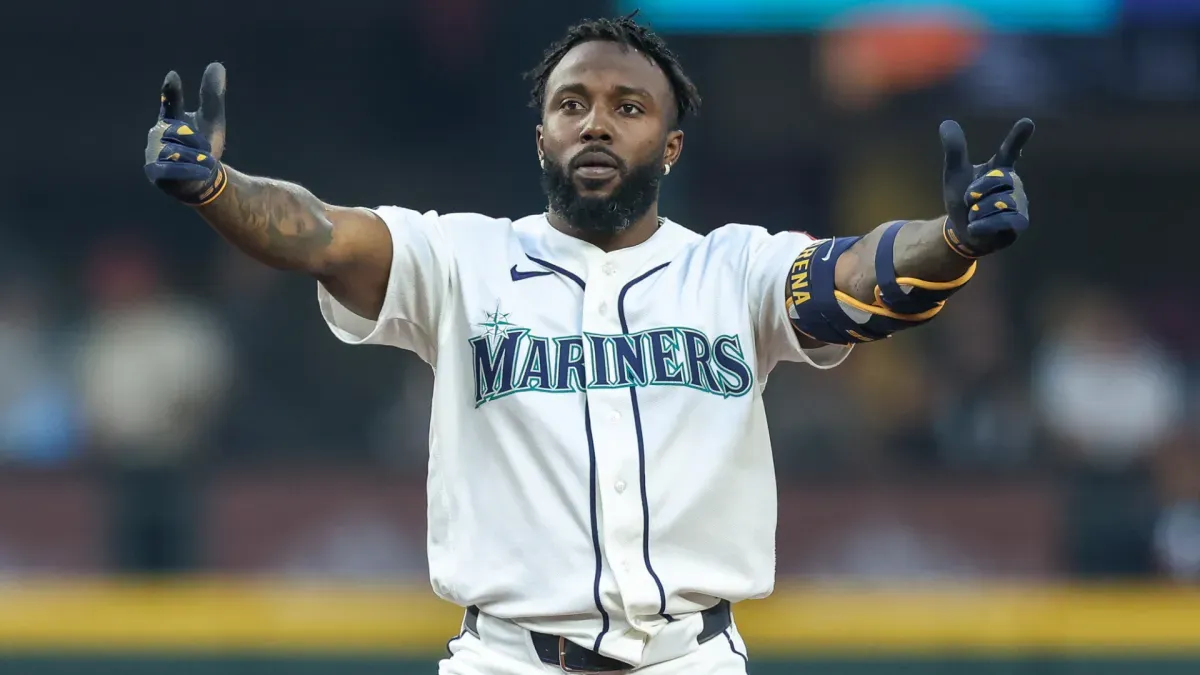
The Mariners hold the power to make Randy Arozarena eligible for the qualifying offer, but the Dodgers cannot extend such an offer to Tarik Skubal due to his trade during the season. This distinction highlights the complexities surrounding player eligibility for the QO.
As the MLB offseason unfolds, teams will soon be able to engage in exclusive negotiations with free agents. However, this five-day window is not a guarantee of swift signings, as the league's free agency process tends to unfold gradually rather than in a rush.
The awards season is also approaching, with several key recognitions set to be announced in the coming weeks. The Rookies of the Year will be revealed on Monday, followed by the Managers of the Year on Tuesday and the Cy Young Awards on Wednesday. The MVPs will be named on Thursday as part of an MLB Network broadcast.
These awards announcements are scheduled for 7 p.m. ET each day, with finalists being unveiled on November 2. The All-MLB Team, Comeback Players of the Year, and Relievers of the Year will also receive recognition on November 11.
The approaching deadlines and award ceremonies will undoubtedly shape the course of the MLB offseason, influencing team decisions and player negotiations in the coming weeks.
The GM Meetings are a critical period for MLB teams, and this week is no exception. While the primary focus of these meetings is on off-the-field matters such as rule changes, they often provide a platform for teams to discuss and finalize deals.
One notable example from last year's GM Meetings was the signing of Travis d'Arnaud by the Angels and the trade of Nick Allen from the Braves to the Astros. These moves demonstrate how the collective presence of all 30 general managers can lead to significant transactions.
The groundwork for future deals is often laid during this week, with some agreements being finalized at a later date. This behind-the-scenes activity underscores the importance of the GM Meetings in shaping the MLB offseason landscape.
For fans of Silver Slugger awards, November 2 is an important date. The finalists will be announced on this day, marking the culmination of a process that began several years ago with the introduction of utility player and team-specific awards.
The qualifying offer (QO) deadline is another significant milestone in the MLB offseason calendar. By 4 p.m. ET, free agents must accept or reject their QO, which comes with a one-year contract worth $23.15 million if accepted. Those who reject the offer will be tied to draft pick compensation.
Players like Arozarena and Seiya Suzuki are likely to reject the QO in favor of more lucrative contracts elsewhere. The QO's impact on free agency is significant, as teams must weigh the benefits of retaining their own players against the potential cost of losing them to competitors.
The Rule 5 Draft protection deadline marks a critical juncture for MLB teams. By 6 p.m. ET, they must add eligible minor leaguers to their 40-man roster to protect them from being selected in the Rule 5 Draft. This typically involves players who were drafted or signed internationally within specific timeframes.
As teams prepare for the Rule 5 Draft protection deadline, there are often several minor trades in the days leading up to it. These moves enable teams to refine their 40-man roster and ensure they are well-positioned for the upcoming draft.
The owners' triennial meetings are a crucial part of the MLB offseason schedule, covering major business decisions that rarely make headlines. One significant decision made during these meetings three years ago was the approval of the Athletics' proposed relocation to Las Vegas in November.
As the collective bargaining agreement (CBA) is set to expire on December 1, this week's owners meeting will likely serve as a final strategy session ahead of potential negotiations with the MLB Players Association. The CBA expiration date marks a critical juncture in the offseason calendar, and teams must prepare for various scenarios.
Teams have until this Thursday to offer contracts to pre-arbitration and arbitration-eligible players for the 2027 season. While these offers don't necessarily need to be signed immediately, they serve as a crucial step in determining player status. Players who fail to receive an offer will become free agents, often due to teams reassessing their value or seeking better trade opportunities.
Last offseason, notable players like Adolis García and Nathaniel Lowe were among those non-tendered by their teams, ultimately becoming free agents. This process allows teams to re-evaluate their rosters and make strategic decisions about player contracts and salaries.
The CBA expiration deadline is set for 11:59 p.m. ET on December 1, and it's highly likely that the owners will lock out the players at this time unless a new agreement is reached. A potential lockout would freeze all major league transactions, including trades and free agent signings involving 40-man roster players.
The competitive balance picks system awards extra draft selections to teams in the bottom 10 of revenue and/or market size each year. There's typically some overlap between these groups, resulting in 14-15 competitive balance picks being awarded annually, not 20 as might be assumed.
These picks are MLB's only tradeable draft picks, making them highly valuable assets for teams seeking to bolster their rosters through the draft. Last offseason saw competitive balance picks included in trades involving notable players like Shane Baz and Brendan Donovan.
The assignment of competitive balance picks was pushed back until after the lockout five years ago, a change that has become an important part of the MLB offseason schedule.
The Hall of Fame's Classic Baseball Committee for Managers, Executives, and Umpires will announce its voting results on an MLB Network broadcast, marking a significant milestone in the baseball calendar.
This year's committee, which has undergone restructuring three times in the last 14 years, will focus on candidates whose primary contribution to the game came prior to 1980. The 16-person committee is tasked with reviewing eight potential candidates for induction into the Hall of Fame.
The Winter Meetings are just around the corner, and they often signal the start of a frenzied period in the MLB offseason. This year's meetings will feature three-plus days of intense negotiation and deal-making among general managers, agents, and other teams' representatives.
Historically, the biggest moves of the offseason have been made during the Winter Meetings, when GMs can engage in face-to-face talks to hammer out deals. Last year's events saw several notable signings, including those of Pete Alonso, Edwin Díaz, and Kyle Schwarber.
Rumors and trades often swirl around this time of year, with teams jockeying for position in the free agent market. The Winter Meetings were canceled during the last lockout, but it seems likely they will be skipped again if a potential lockout materializes this offseason.
In an effort to discourage tanking, MLB and the players' union agreed to introduce a lottery system to determine the top six picks of the annual amateur draft under the current collective bargaining agreement. The 18 non-playoff teams each have a chance at the No. 1 pick, although their odds vary depending on their performance.
The rules governing the lottery dictate that teams receiving revenue sharing cannot participate in consecutive years, while those receiving it for three consecutive years are also barred from participating. This year's eligibility is influenced by these rules, with several teams affected by this restriction.
As a result of these regulations, some teams will be unable to participate in the lottery or can only receive a limited pick as part of the 2027 draft. The Giants and Pirates are among those impacted, due to their recent performance in previous drafts.
The MLB draft lottery system has undergone significant changes in recent years. The top six picks are now determined by a lottery, while teams 7-18 are awarded based on their previous season's standing in reverse order.
Teams that don't make the playoffs have a better chance of landing one of these non-playoff slots. Conversely, postseason teams are ranked according to their finish, with Wild Card Series losers picking first and the World Series winner picking last. This system was not in place during the last lockout, leaving uncertainty about how MLB would handle it this time around.
The Rule 5 Draft is another key event that will take place before free agency begins. Players selected must stay on their new team's roster all season unless they go through waivers and are offered back to their original team. While some teams have found hidden gems in the draft, most picks don't pan out and end up returning to their old teams.
One notable exception was Blue Jays righty Spencer Miles, who had a successful stint with his new team last offseason. He pitched 95 ⅔ innings with a 2.63 ERA, making him an outlier among Rule 5 Draft picks. The draft itself was canceled during the last lockout, but the minor-league phase still went ahead as it doesn't involve players on the 40-man roster.
Teams and arbitration-eligible players must submit their salary figures for 2027 by this deadline. Players file what they believe they should be paid, while teams submit what they think is a fair amount. This is just the initial filing deadline, with negotiations to follow between the two sides.
Facts based on reporting originally published by CBS Sports.
You may republish this story, in full or in part, if you credit News Central Site and link to it (licence CC BY 4.0). Photos are not included.