Biotechnology Breakthroughs Raise Concerns Over Potential Misuse
Experts warn that biotech advancements combined with AI's processing capabilities could be exploited for biological threats.
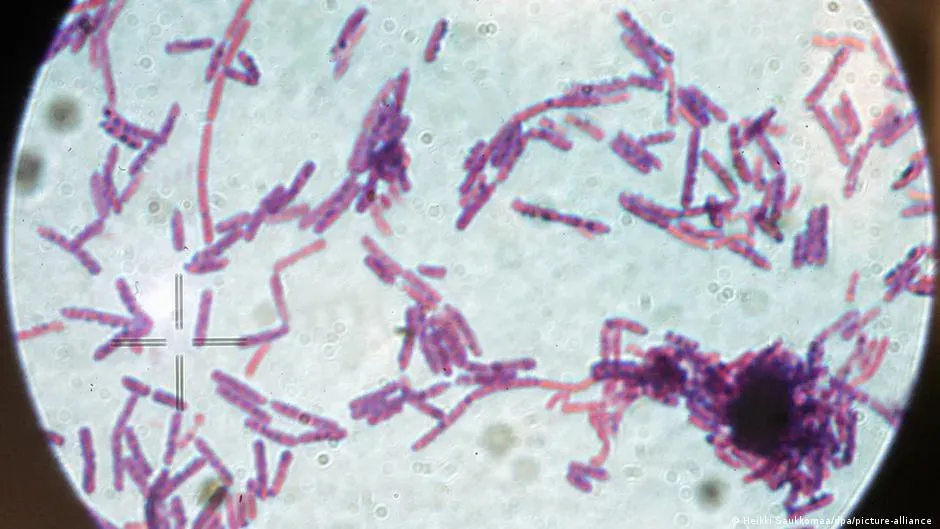
The rapid advancements in biotechnology have made it increasingly easier for pathogens to be analyzed and modified with unprecedented precision, raising concerns about potential misuse.
As artificial intelligence continues to advance at an astonishing pace, experts warn that it could also be exploited to develop biological weapons. The combination of biotech breakthroughs and AI's ability to process vast amounts of data quickly has sparked a growing unease among security services.
In October 2026, Ken McCallum, head of the British domestic intelligence service MI5, sounded the alarm about the potential risks associated with AI in this context. His warning highlighted concerns that AI could facilitate not only existing but also new biological threats from state or non-state actors.
Recent reports have underscored the urgency of this issue. In September 2026, an American AI company, Anthropic, revealed that it had detected and blocked numerous attempts to use its AI assistant for research related to potential biological weapons. These attempts included grant applications for "gain-of-function" research and projects focused on avian influenza variants with high transmissibility to mammals.
The difficulty lies in distinguishing between legitimate scientific inquiry and malicious intent when it comes to biotechnological advancements, as Anthropic itself acknowledged while highlighting the dual nature of such research, its potential for medical prevention versus military application.
The threat of biological weapons has been a concern for decades, with many pathogens having the potential to be weaponized. Bacteria, viruses, fungi, and certain toxins are among the types of agents that could be used in biological warfare.
Diseases like plague, smallpox, and botulinum toxin have been associated with biological warfare programs. Anthrax is particularly notorious due to its ability to survive for long periods in the environment and its potential for widespread harm.
The World Health Organization (WHO) defines a biological weapon as any substance released intentionally to cause harm to humans, animals, or plants. This definition highlights the intentional nature of biological warfare.
A biological weapon typically consists of two components: the agent, which is the actual pathogen or toxin, and the delivery mechanism, which disperses the agent. Examples of delivery mechanisms include missiles, spraying systems, and contaminated food.
Biological weapons are categorized alongside atomic and chemical weapons as part of a broader category known as ABC weapons. They also fall under the umbrella of mass destruction weapons.
The mode of operation for biological and chemical weapons differs significantly, with chemical agents causing harm through toxic effects that can manifest in minutes or even seconds. Examples include gas attacks during World War I and more recent uses of nerve gases in conflicts such as the Syrian civil war and Iraq.
The effects of biological weapons are often delayed, making it challenging to predict their impact on a population. These pathogens can cause infectious diseases that may not become apparent for hours, days, or even weeks after they have been deployed.
The key difference between chemical and biological weapons lies in the manner in which they exert their effect. Chemicals act immediately, causing harm through direct toxicity, whereas biological agents trigger disease, allowing them to spread from person to person.
Despite the risks associated with biological warfare, it remains a prohibited under international law. The Biological Weapons Convention came into force in 1975 and has been ratified by nearly two hundred countries.
The Convention's provisions are built upon earlier agreements, including the Geneva Protocol of 1925, which banned the use of biological agents as a means of warfare. Countries that have signed or acceded to the agreement have committed to destroying their stocks and production facilities.
The implementation and enforcement of international regulations on chemical and biological arms differ significantly. While both types are banned, the control mechanisms in place for chemical weapons appear more developed, with regular inspections and oversight by organizations such as the OPCW.
The control mechanisms for biological weapons lag behind those for chemical and nuclear arms, leaving a significant gap in global security.
One of the most shocking examples of this vulnerability came to light in 2001 when a series of letters containing anthrax spores were sent to various locations across the United States. The attacks resulted in 22 people being infected and five fatalities.
The difficulty in detecting biological weapons programs stems from their dual use nature, where technologies developed for medical purposes can also be exploited for military research. This overlap makes it challenging to distinguish between civilian and military applications of laboratory equipment.
A key challenge in responding to a biological attack is the difficulty in determining whether the pathogen was deliberately released or occurred naturally, often requiring extensive investigation before conclusions can be drawn.
Biological weapons have been used in various forms throughout history, with reports indicating that they were deployed to poison wells and catapult the corpses of plague victims over city walls during sieges.
The effectiveness of these methods is disputed, raising questions about their intended impact on military campaigns or civilian populations.
Facts based on reporting originally published by DW English.
You may republish this story, in full or in part, if you credit News Central Site and link to it (licence CC BY 4.0). Photos are not included.