Biodiversity Crisis Threatens Life on Earth
A recent report by the WWF warns that monitored vertebrate populations have plummeted by an average of 73% over the past five decades.
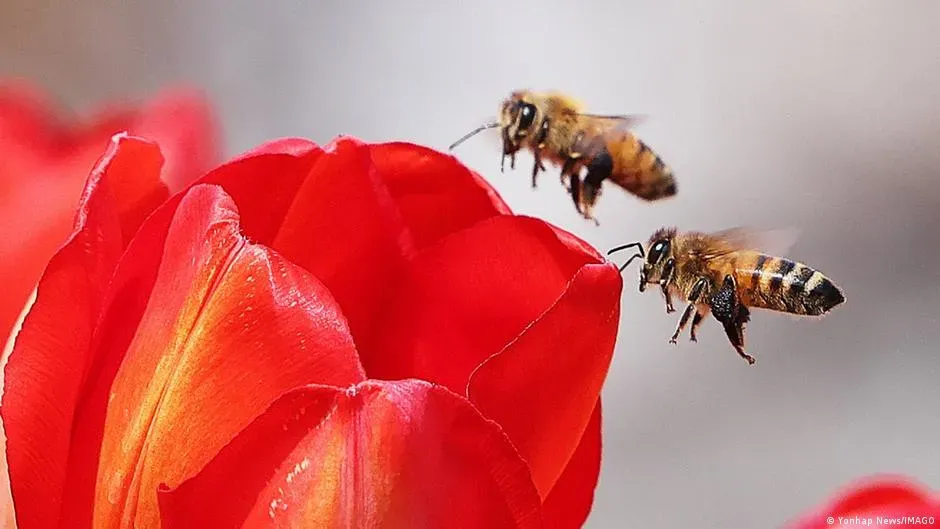
Biodiversity is facing an unprecedented crisis, threatening the very foundation of life on Earth. The decline of ecosystems is having far-reaching consequences, impacting not just individual species but also human wellbeing. This comes as scientists warn that nature's functions are being pushed to the brink by human activities such as intensive farming, fossil fuel burning, and pollution from plastic and chemicals.
As conservationists point out, biodiversity is an abstract concept, yet its effects are felt every day. When ecosystems function normally, they provide essential services like regulating weather patterns, maintaining soil health, purifying water, and supporting food production. These benefits are often taken for granted until nature starts to decline.
The alarming rate of species extinction has sparked concern among experts. According to a recent report by the WWF, monitored vertebrate populations have plummeted by an average of 73% over the past five decades. Freshwater ecosystems have been particularly hard hit, with an astonishing 85% decline in this period. Other studies also indicate that millions of animal and plant species are at risk of extinction unless human pressure on nature is reduced.
Scientists like Rebecca Shaw, chief scientist at WWF, urge people to pay attention to the crisis unfolding around them. As she notes, humans often take nature for granted when it's functioning normally. However, as ecosystems continue to deteriorate, it becomes increasingly clear that biodiversity is a vital component of human wellbeing.
The rate at which ecosystems are deteriorating has reached alarming levels, warns Shaw. This rapid decline is an early warning sign that the foundation of life on Earth, which provides us with freshwater, food, and clean air, is being severely compromised.
At the ongoing COP17 biodiversity summit in Yerevan, Armenia, over 200 countries are convening to discuss ways to reverse this trend by 2030. However, progress towards meeting these targets remains sluggish due to inadequate funding and implementation.
Wetlands, crucial for maintaining water quality, have been drastically depleted, a staggering 85% of them vanished between 1700 and 2000. Research from Canada's University of Waterloo has highlighted the vital role these ecosystems play in removing pollutants like phosphorus from drinking water sources, saving billions of dollars annually.
In fact, when wetlands disappear, the cost of treating polluted water skyrockets due to decreased filtration services. This underscores the urgent need for conservation efforts and sustainable management practices.
Moreover, the decline of pollinators such as bees and bats poses a significant threat to global food security, with over 75% of crop types relying on animal pollination to some extent.
Soil degradation and ecosystem collapse are increasingly threatening global food security. According to a UK government report, every critical ecosystem is on the verge of collapse, posing a grave risk to international food supplies and geopolitical stability. The report highlights the interconnectedness of ecosystems worldwide, emphasizing that many countries rely heavily on imports for their food.
This reliance on imported goods underscores the importance of global biodiversity. As Louise McRae notes, "we need to care about global biodiversity" because it underpins the planet's ability to produce food and sustain human life. With ecosystems around the world facing collapse, the consequences will be far-reaching, affecting not just local communities but also national economies.
Nature is a rich source of medicines, with approximately 50% of modern drugs derived from natural compounds. The antibiotic penicillin, for instance, was discovered in a mold and has saved an estimated half billion lives since its introduction. This reliance on natural products is particularly evident in cancer treatments, where some 70% of drugs come from either natural sources or synthetic compounds inspired by nature.
The loss of biodiversity will have significant consequences for human health, as the disappearance of ecosystems reduces access to undiscovered treatments and medicines. The "nature as a team metaphor suggests that when one player disappears, another might fill its role; however, this is not always the case, especially with keystone species whose removal has far-reaching effects.
Keystone species play a disproportionate role in their environments, and their loss can have devastating consequences for ecosystems worldwide. If these crucial players disappear, it can trigger a cascade of events that ultimately lead to ecosystem collapse and further exacerbate global problems like food insecurity and climate change.
The decline of wild oyster populations has reached alarming levels worldwide, with 85% of their reefs having been lost globally. This staggering loss not only affects the oysters themselves but also has far-reaching consequences for other species that rely on them for survival. An adult oyster can filter up to 50 gallons of water a day, making it a vital component in maintaining clean water and healthy ecosystems.
The role of oysters is often underestimated, with many people viewing them as simply sitting in a shell, filtering water without any significant impact on the environment. However, experts warn that losing these crucial species could have devastating consequences for coastal communities and the planet as a whole. You lose oysters, you can lose water filtration and clean water," Shaw noted.
In addition to their role in maintaining water quality, oysters also provide essential protection against storm surges for coastal communities. Their loss would leave these areas vulnerable to damage from extreme weather events. The significance of oyster habitats extends beyond the species themselves, with many other creatures relying on them for survival.
Studies have also highlighted the link between the decline of certain species and an increase in disease transmission. In North America, a study found that the spread of Lyme disease, a tick-borne illness affecting humans as well as wildlife, was linked to the decline of red fox populations.
The decline of species populations is a pressing concern, according to experts who warn against despair despite the alarming trend.
While acknowledging that the global situation cannot be ignored, researchers emphasize that statistics should motivate action rather than cause panic.
Conservation efforts have shown that nature can recover when given the chance, as exemplified by the resurgence of green sea turtles and sea otters in specific regions.
These species were once on the brink of extinction due to habitat destruction and overhunting, but thanks to concerted protection measures, their numbers have begun to rebound.
Conservation efforts are yielding positive results in small-scale projects around the world. For instance, species like seagrass have been successfully restored in certain areas, highlighting the potential for restoration on a larger scale.
The next step will be to replicate these successes globally and see tangible improvements in overall ecosystem health. However, this will require significant cooperation and coordination among governments, organizations, and communities worldwide.
Facts based on reporting originally published by DW English.
You may republish this story, in full or in part, if you credit News Central Site and link to it (licence CC BY 4.0). Photos are not included.