Amendment 3 Reduces Local Tax Revenue in Florida
Florida residents face reduced local tax revenue after voting to slash property taxes earlier this month, with cities implementing budget cuts and service reductions.
Floridians are facing the harsh reality of reduced local tax revenue after voting to slash property taxes earlier this month.
Amendment 3 has expanded the homestead exemption, shielding a larger portion of a home's assessed value from taxation, with significant increases planned for 2027 and 2028. The current exemption level of $51,400 will nearly triple by 2027, reaching $150,000, before increasing further to $250,000 in 2028.
The amendment also introduces lower annual assessment caps for rental and commercial properties, reducing the allowed increase from 10% to 5%. However, this measure does not affect school-related property taxes and instead sets a path towards potentially abolishing non-school property taxes entirely.
Deltona's City Manager Doc Dougherty informed residents that the city's Christmas parade was canceled due to Amendment 3, a measure that slashes property taxes in Florida. This decision is part of a broader effort to reduce the city's budget by $12 million next year and another $5 million the following year.
According to Dougherty, Deltona's residents will face significant cuts in services over the years ahead. In a letter to residents on Saturday, he warned that this was "only the beginning of a vast reduction in services. The city is already taking steps to meet the goal set by Amendment 3, including canceling all events except for two self-supporting 5K runs.
Deltona is also cutting back on essential services such as vehicle orders and professional services. Construction contracts are being terminated, and the city's budget is being reduced in an effort to comply with Amendment 3. This move has been met with concern from residents who fear that their quality of life will suffer as a result.
Other cities in Florida are also feeling the impact of Amendment 3. Delray Beach has stopped funding its St. Patrick's Day Parade, while St. Petersburg is ending its beach trolley service. Brevard County is targeting areas such as park maintenance and youth sports programs for potential cuts to meet the requirements set by Amendment 3.
Manatee County Commissioner George Kruse has painted a dire picture of the impact of Amendment 3 on local tax revenue. In a recent post on Substack, he estimated that next year's tax revenue will be $63 million lower than expected, with an even more significant drop of $113 million in the following year.
Kruse argues that this is not just another economic downturn like past recessions or real estate crashes, but rather a fundamental shift in how government operates. He believes that Amendment 3 has created a new normal where facilities will stay closed once they're shut down and employees will remain on reduced hours indefinitely.
This isn't a temporary setback," Kruse wrote, but a permanent change in the way we do things. He emphasized that even small adjustments to fees won't be enough to bridge the massive revenue gap. Instead, he's calling for significant budget cuts from various departments, including law enforcement.
Kruse has also ruled out any new sales taxes or higher property tax rates, which he says would unfairly burden renters and small businesses. While acknowledging that service reductions will disproportionately affect those who need affordability most, Kruse is determined to find a way forward in this challenging new landscape.
The county's finance team is now tasked with identifying areas where costs can be reduced or eliminated in order to fill the permanent budget gap created by Amendment 3.
Kruse outlined a list of potential cost-cutting measures, including reviewing publicly owned assets and considering their sale or lease to private companies. Department consolidations are also on the table, as well as privatization of certain services.
New infrastructure projects will be scrutinized for their necessity and feasibility. Special tax zones may be created to generate additional revenue. Interlocal agreements with neighboring cities could help alleviate some of the financial burden.
Additionally, funding for non-profit organizations that provide essential community services will likely be reevaluated. Kruse emphasized that even seemingly minor expenses can add up quickly when trying to fill a large budget gap.
As the state's property tax reduction takes effect, cities are struggling to make up for lost revenue by cutting essential services and amenities. Local governments are being forced to prioritize spending, leaving out non-essential items like Christmas parades.
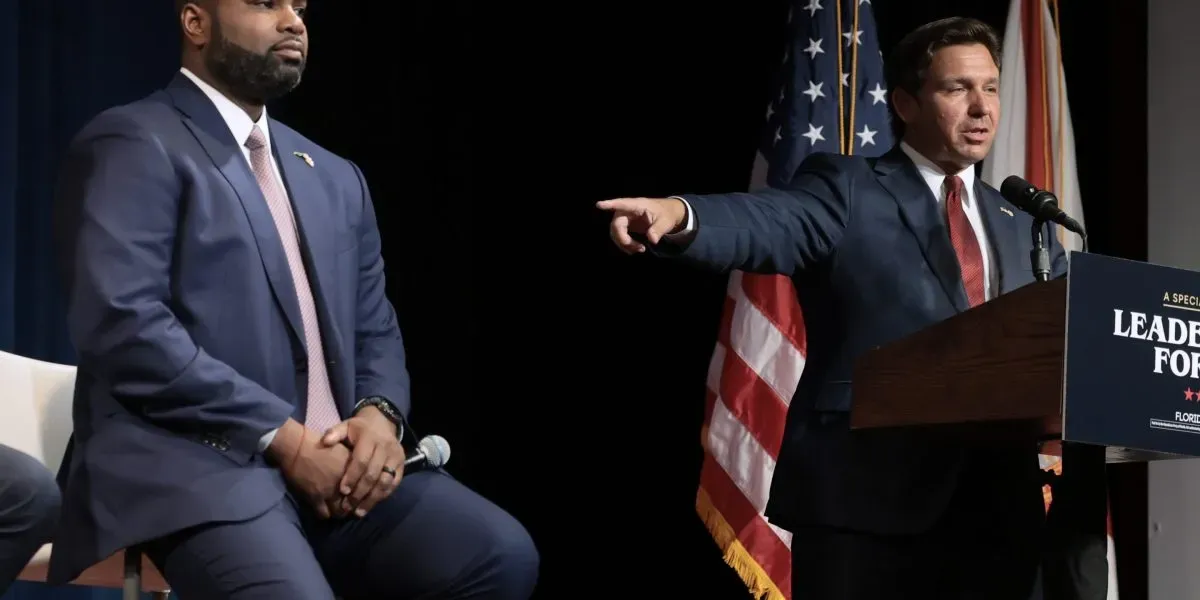
Governor DeSantis has emphasized that taxpayers' rights must be protected from new fees and taxes. He urged state lawmakers to pass a taxpayer bill of rights, limit local spending, and block any attempts to impose additional taxes or fees.
Facts based on reporting originally published by Fortune.
You may republish this story, in full or in part, if you credit News Central Site and link to it (licence CC BY 4.0). Photos are not included.