A senior professional welcomes fourth baby on June 29, 2026
A high-achieving venture capital expert is re-evaluating their approach to managing work and family life after welcoming their fourth child.
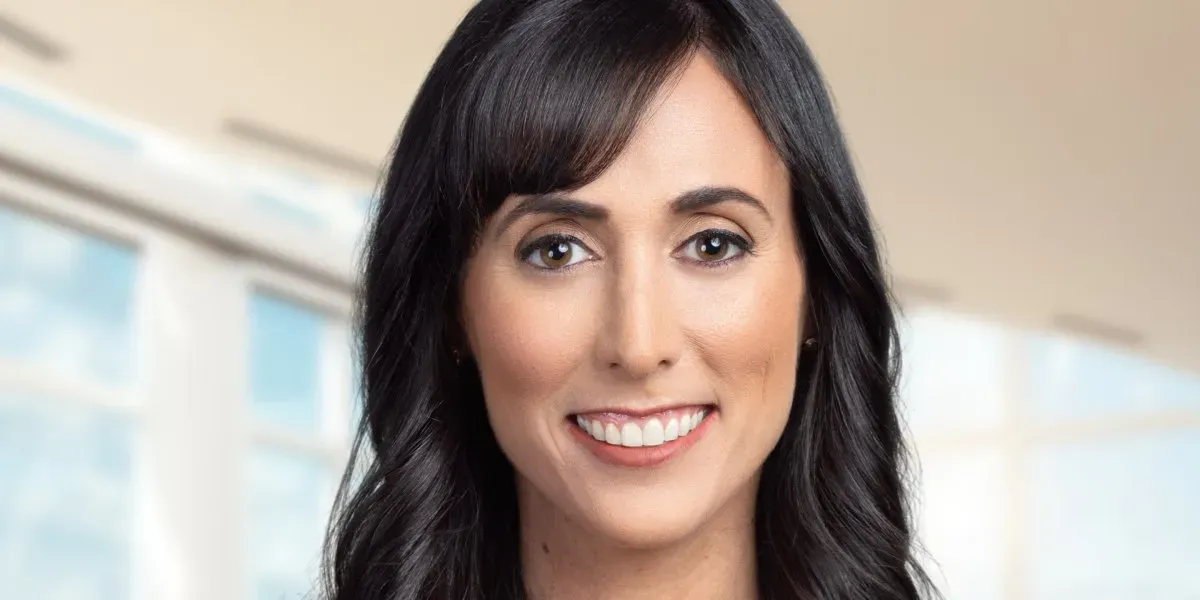
A new addition has joined a family of four young children, as a senior professional welcomed their fourth baby on June 29, 2026.
The week before, this individual was 38 weeks pregnant and struggling to find rest, despite the demands of pregnancy taking its toll on their body. At 11 p.m., they found themselves lying awake in the dark, mentally preparing for the various responsibilities that needed attention. This included arranging childcare, coordinating with medical professionals, and reviewing business commitments.
The tasks seemed endless, and the pressure was mounting as the due date drew near. It is a scenario that many working parents can relate to, but this individual's situation was compounded by their high-achieving career in venture capital. With multiple responsibilities competing for attention, it is little wonder that they felt overwhelmed.
In a previous article, four years ago, this individual had offered advice on managing work and family life. At the time, they were pregnant with their third child and urged women to stop striving for balance between work and personal life. Instead, they advocated embracing an unbalanced lifestyle, where one aspect of life takes precedence over others.
As a mother of four now, this individual is re-evaluating the advice they once gave. They are reflecting on whether their pursuit of success had become so all-consuming that it led to neglecting other areas of their life.
The relentless pursuit of productivity has become an all-consuming force in modern life, leaving many feeling drained and depleted. The endless to-do list, once a manageable challenge, has morphed into a seemingly insurmountable task that threatens to engulf every waking moment.
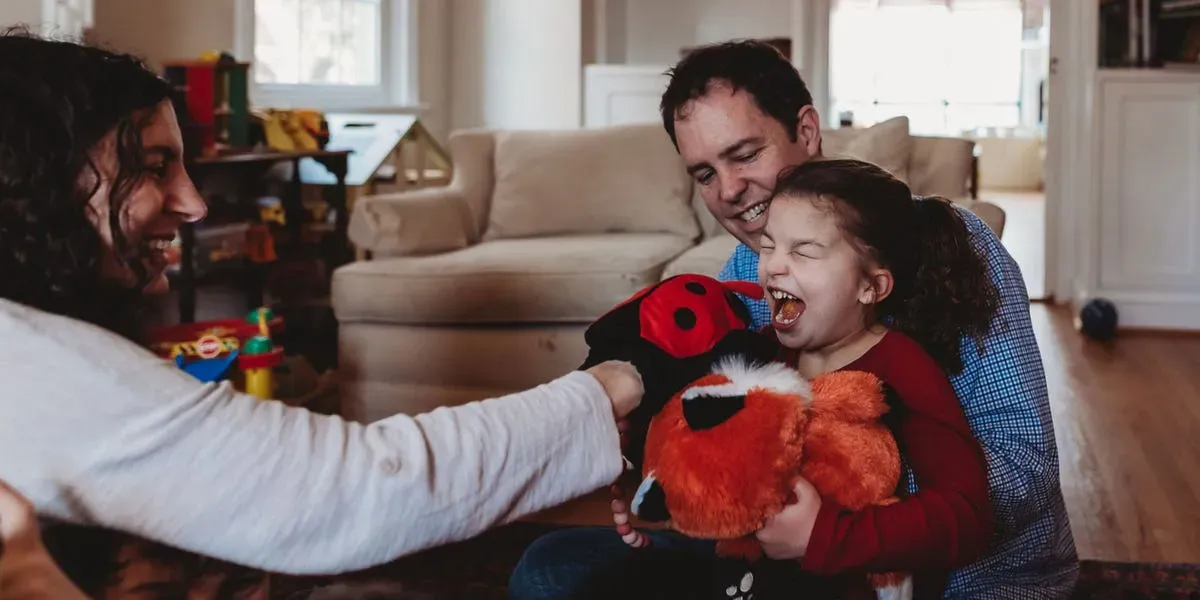
As the demands of work and family continue to escalate, the mental load has shifted significantly from previous generations. Gone are the days when children were allowed to roam freely until dinner; instead, they're overscheduled and their parents bear the brunt of meticulous planning.
The blurring of boundaries between work and personal life has become a defining feature of modern existence. With hybrid and remote work arrangements now commonplace, the traditional distinction between office hours and family time has all but disappeared. This has led to an expectation that employees will be constantly available and productive, without regard for their personal needs or well-being.
The pressure to perform is relentless, with technology promising to make us more efficient and effective. However, this has only served to increase the workload and erode any semblance of work-life balance. As a result, many working parents are finding themselves exhausted and drained, struggling to muster the energy for even the most basic tasks.
The consequences of this all-consuming pursuit of success are far-reaching. Countless women are telling their stories of burnout and depletion, highlighting the need for a fundamental shift in how we approach work and family life. The desire for simplicity and balance is growing, as people increasingly recognize that "having it all" may be an unattainable ideal.
The rise of the trad wife movement can be seen as a symptom of this broader trend. While its proponents often emphasize traditional domestic pursuits like baking and crafting, the underlying motivation is often a desire to escape the suffocating demands of modern life and reclaim some semblance of simplicity and balance.
The mental load carried by women is a significant contributor to their poor health outcomes.
Research has shown that mothers take on 71% of the household's mental load, including tasks such as remembering and planning, despite fathers being more involved in childcare than ever before.
This invisible work has real consequences for women's physical and mental well-being. Chronic stress can lead to a condition known as allostatic load, which accumulates over time and manifests as inflammation, hypertension, and disease.
Women are also disproportionately affected by poor health, spending 25% more of their lives in poor health than men, with an average of nine years lost to illness or injury.
The lack of support for women's health is a significant issue. Only 9% of NIH research dollars over the last decade have been dedicated to women's health, highlighting the need for greater investment and attention in this area.
Meanwhile, societal expectations continue to pile pressure on women, who are often expected to balance multiple responsibilities without seeking help or support.
The societal pressure to appear capable and self-sufficient is suffocating many women who are struggling to balance their responsibilities without seeking external support.
This burden is further exacerbated by the stigma surrounding asking for help, as evidenced by a friend's experience on a panel where she was reprimanded for being honest about her need for nannies and other forms of assistance.
The expectation that individuals can manage their lives alone, without admitting vulnerability or weakness, has become a toxic norm in many cultures. It's a myth that perpetuates isolation and reinforces the notion that seeking help is a sign of failure rather than a necessary step towards achieving balance.
In reality, asking for help is a sign of strength, not weakness. By acknowledging our limitations and reaching out to others, we can build stronger relationships, share responsibilities, and ultimately improve our well-being.
The pandemic has brought about a shift in how some women are approaching this issue, with many turning to online communities like text chains as safe spaces to admit their struggles and seek support from others who understand the challenges they face.
These online networks provide a platform for women to connect with others who share similar experiences, fostering a sense of community and reducing the stigma associated with asking for help.
As I continued to explore the concept of balance and its impact on women's lives, I began to notice a pattern in my own behavior and that of others. A particular conversation with a group of women stood out to me, one that challenged my long-held views on asking for help.
This chat taught me a valuable lesson: asking for assistance is not a sign of weakness or failure, but rather a crucial step towards living a more authentic and fulfilling life. It's only by acknowledging our limitations and seeking support that we can truly thrive.
I'm now actively working to rewire my brain to recognize the benefits of collaboration and community. I've come to understand that relying solely on myself doesn't bring me any sense of accomplishment, but rather perpetuates a cycle of burnout and exhaustion.
As an investor, I'm drawn to companies that prioritize women's well-being by giving them back their time and health. Every time I ask for help, I feel like I'm reclaiming a part of myself that was previously lost in the pursuit of perfection.
The woman who was once invisible, exhausted, and struggling to keep up is slowly re-emerging, not because I've taken on less responsibility, but because I'm no longer shouldering it alone.
As women continue to navigate the complexities of work-life balance, a crucial lesson has emerged: seeking help is essential for maintaining one's well-being.
The weight of responsibility often falls squarely on individual shoulders, but this burden can be alleviated when assistance is requested and received.
By asking for help, individuals can redistribute their workload, freeing up time and energy to focus on personal growth and relationships. This shift in perspective allows people to regain control over their lives and prioritize their needs.
Ultimately, recognizing the value of seeking support is a vital step towards achieving true balance and happiness.
Facts based on reporting originally published by Fortune.
You may republish this story, in full or in part, if you credit News Central Site and link to it (licence CC BY 4.0). Photos are not included.